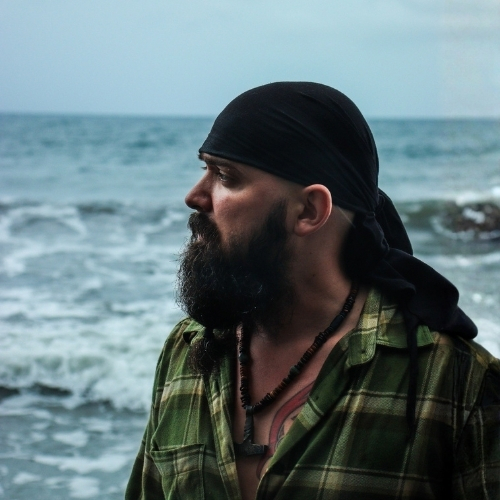
The difficult battle for Losiny Ostrov National Park continues, where the most valuable refuge of wildlife is being destroyed through openly criminal methods. And this is a refuge that managed to withstand the pressure of an entire megacity — the city of Moscow — while remaining home to countless birds, animals, and plants, including Red Book species.
People have been fighting for the national park for a very long time, but these are hard times for everyone: it is difficult not only to achieve change, but even simply to speak the truth aloud.
Let me briefly remind you that Losiny Ostrov National Park is a federally protected natural area, located partly in Moscow and partly in the Moscow Region, near Mytishchi, Korolyov, and Balashikha. And everything is painfully simple, as in many other protected areas in Russia: the authorities “urgently” needed to split the reserve into two parts in order to build a highway here. At the same time, the interests of lobbying structures surfaced: later, they want to build enormous residential districts along this same highway, and that means colossal money. Who would not want to take out a mortgage on an apartment overlooking a sacred refuge of wildlife? Such land is priceless.
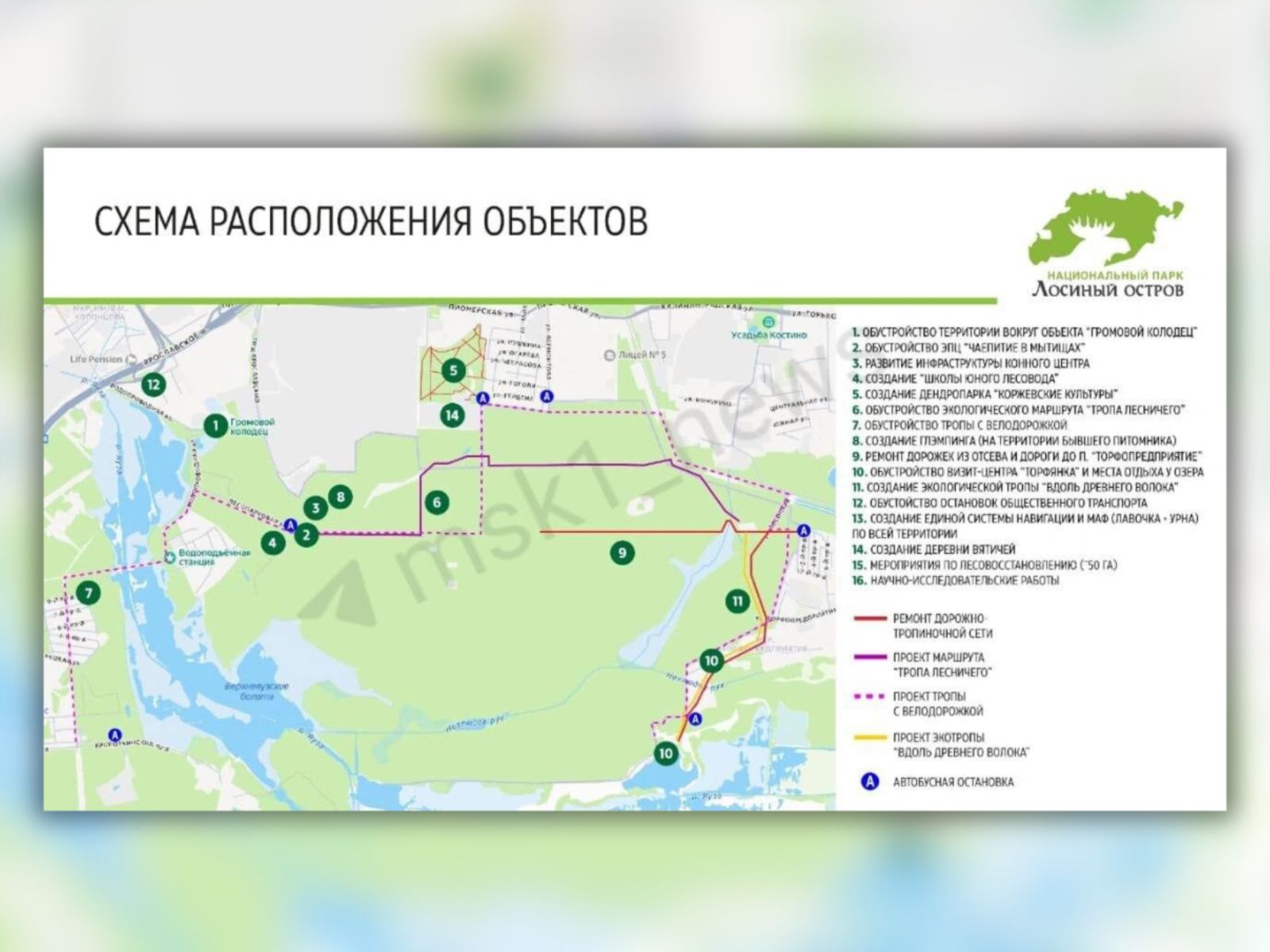
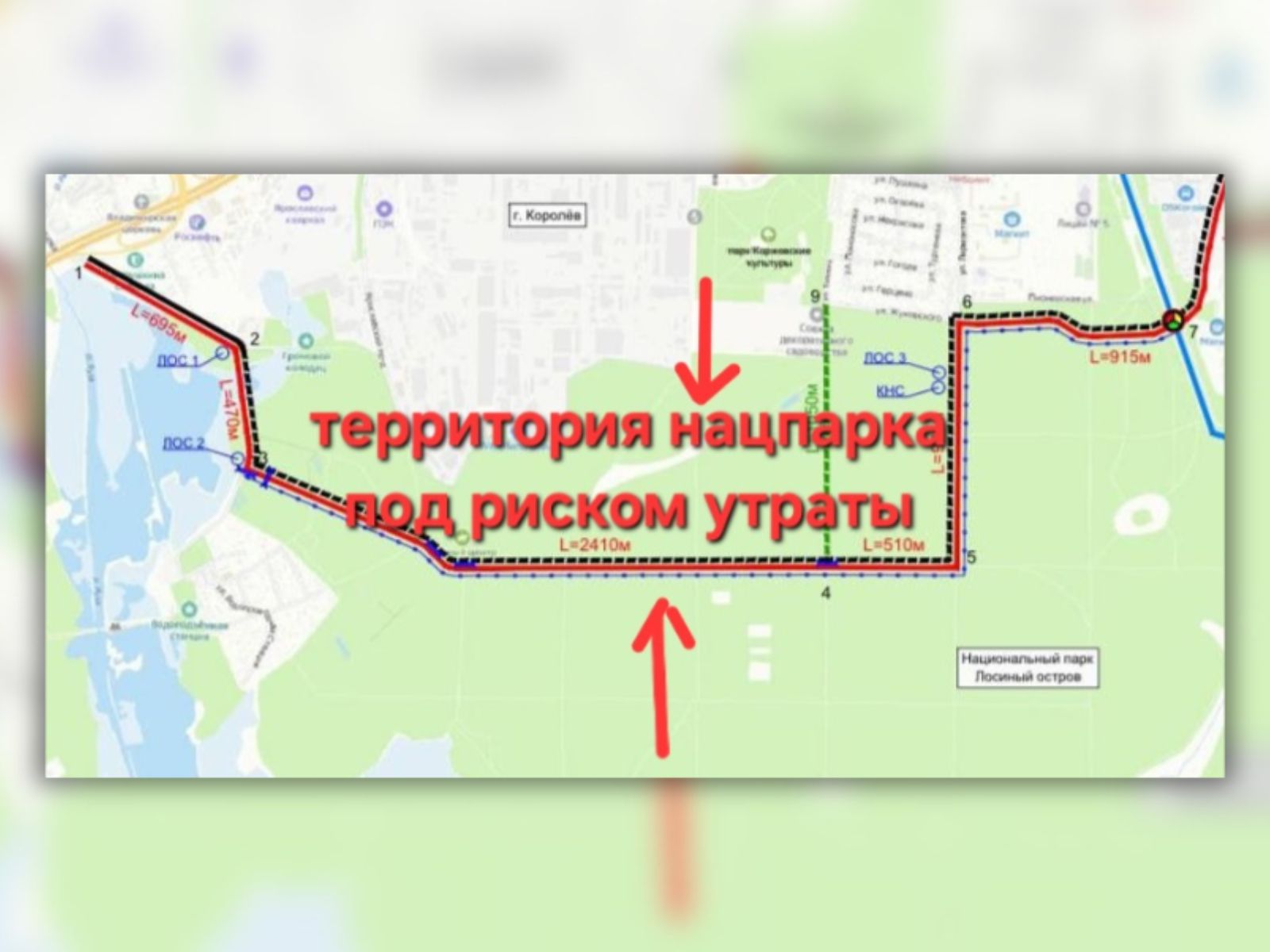
But by law, no highway can be built here, because this is a specially protected area. So officials began manipulating various laws, trying to rewrite them for their own benefit, abolish statuses, and do much more. Then they went even further and declared that this was not the construction of a new highway at all, but in fact the “reconstruction of an old one.” Although civic activists and scientists have proven that there has never been any road here!
I will quote a letter that the defenders of Losiny Ostrov sent me.
“Concerned citizens, after not particularly successful appeals to all environmental protection bodies, decided to go to court. Irrefutable evidence was presented: the testimony of G. V. Morozova, the scientist who founded the national park, and the park’s map tablets from those years, which clearly show that there had never been a road there!
The court did not accept this evidence, although Governor Vorobyov’s statements were based precisely on the claim that there were old maps showing the road. Although the court rejected the lawsuit, we did not give up and are pursuing new cases. But the proceedings drag on for months, and Losiny Ostrov simply does not have those months: on the procurement website we see new construction contracts almost twice as expensive as the original one.
At the moment, the supposed ‘capital repair of the new road’ will only take place in the buffer zone of the national park, but the administrations’ ability to ‘play’ with bylaws, permits, and other paperwork, along with the size of the contract, leads us to think that the road will be expanded to 4 lanes inside the national park itself — this is exactly what they are saying in the Administration of the city of Korolyov and of the Moscow Region, hiding behind the supposed need to reconstruct the main entrance, Pionerskaya Street, and to redirect almost the entire city’s traffic into the forest for the duration of the repairs (months, years??).
Although residents remember that in 2005 an overpass was built there, on Pionerskaya Street, and in 2014 the street was reconstructed and widened by one and a half times — and neither of these massive projects required a ‘backup route’ through the national park!
We understand that the bill now being forced through on revising the boundaries of protected natural areas will place the severed 11-hectare section of the national park under final threat — the slightest risk, an arson attack, or simply the natural degradation of an isolated territory will lead to its alienation, something the park administration clearly dreams about as a way to profit from ‘compensation’ under the new version of the law.”
It is unbearable what our people have to break through just to defend their right to Life. Because the lives of all the people who live there also depend on this sacred refuge of wildlife.
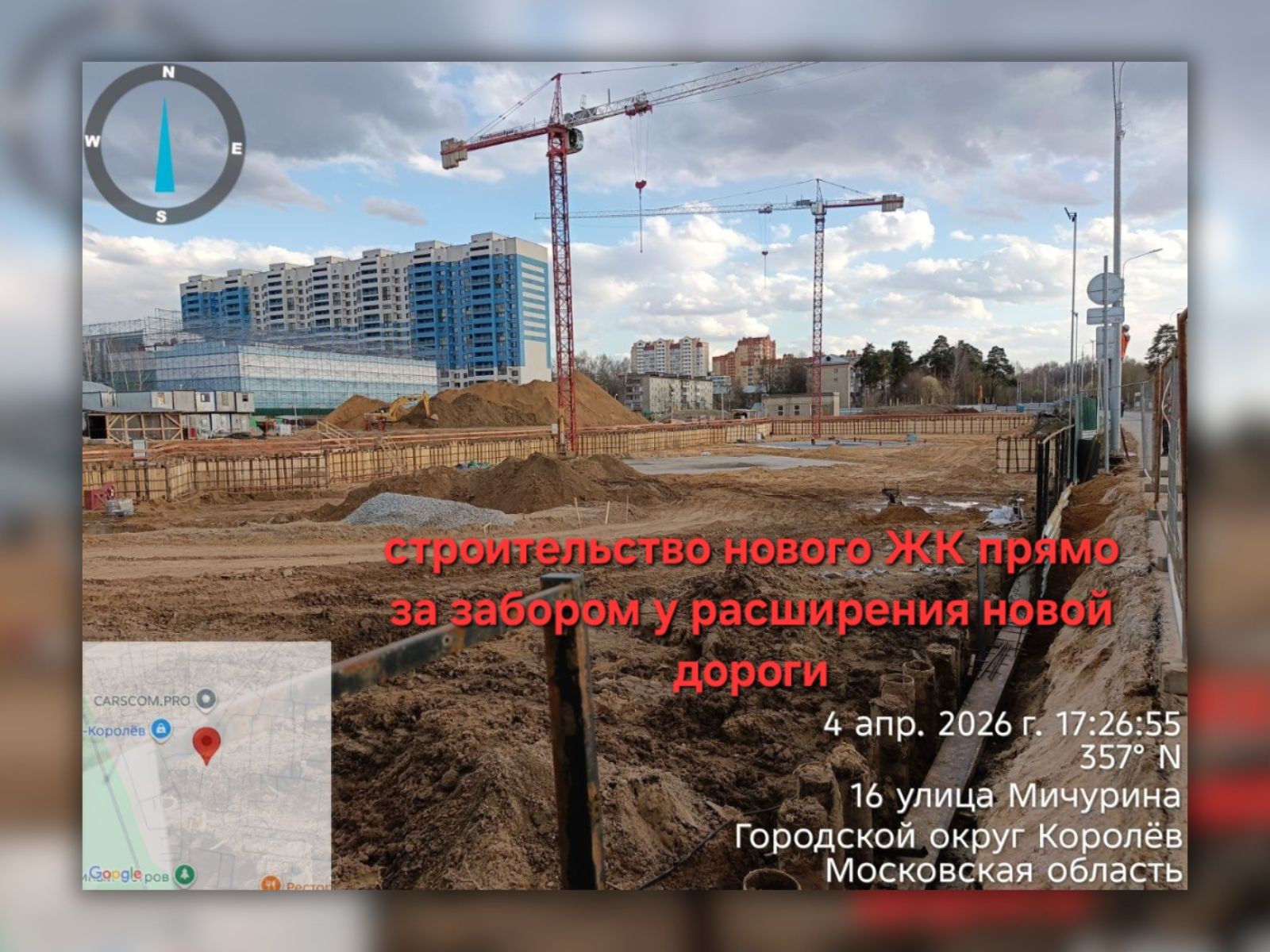
And people are absolutely right that the new bill, which the authorities are now trying to pass across the entire country, will deal a devastating blow to all Russia’s protected areas. We are talking about bill No. 1096223-8 — different versions of it were pushed seven times in a row over recent years, and now the eighth version has apparently “satisfied everyone” who was eager to divide the protected rent of our Motherland among themselves. The first reading in the State Duma has already taken place, the project was pushed through, and now they want to legalize it окончательно.
And the defenders of Losiny Ostrov National Park understand perfectly well, just like all the people defending protected areas in this country, that if this bill is adopted, there will be no real protection of protected natural areas left. This is a blow to the very foundation of wildlife refuges, to the foundation of wildlife’s right to Life.
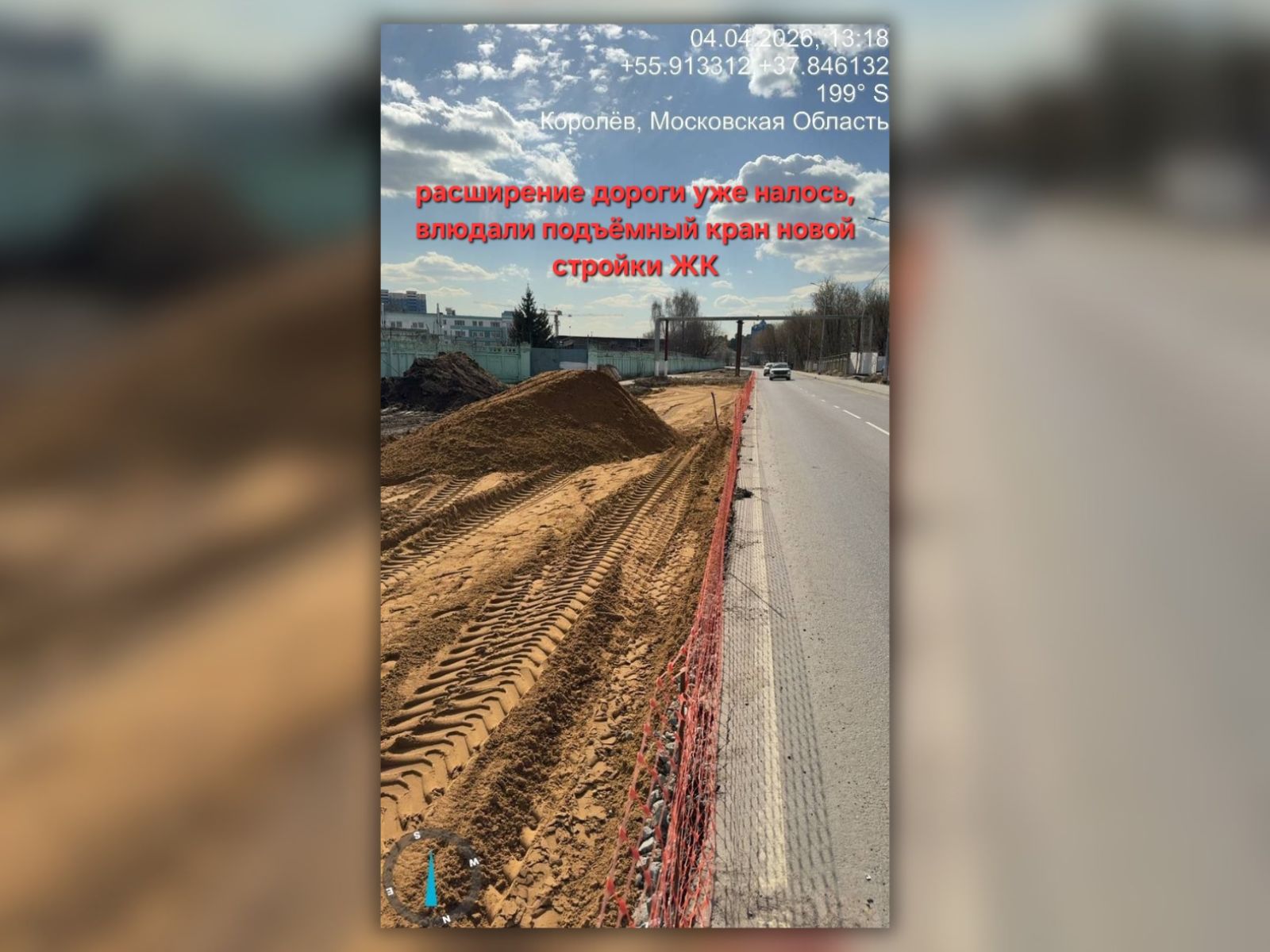
Let me also remind you that we launched a Public Initiative in defense of Losiny Ostrov National Park when officials tried to push through local bill No. 157501 in order to legalize the destruction of the reserve. But that law has not yet been adopted; apparently they are waiting for the main bill to pass, which will give far greater opportunities for the exploitation of the country’s protected natural areas.
The fate of Losiny Ostrov National Park is unfolding tragically. The point is that such refuges are holding on by their last strength, and if an unbroken forest cover is cut in half, both parts will begin to degrade, to die slowly. Animals will have their migration routes severed, and then will come pollution by light, noise, chemicals, and emissions from millions of cars passing through every day. Next will come new residential developments and ever more pressure on once-living ecosystems!
Next, I quote again from the defenders’ letter:
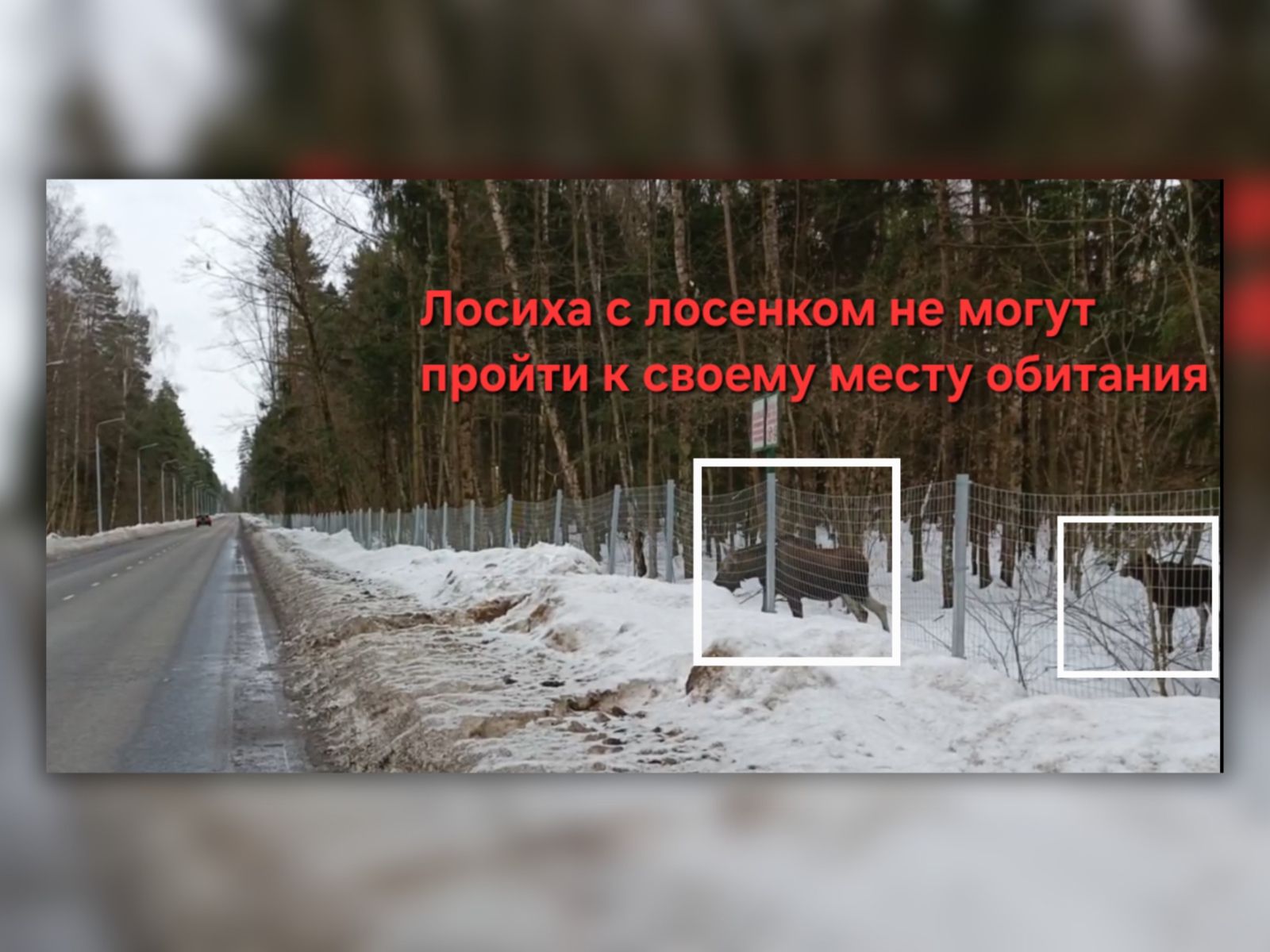
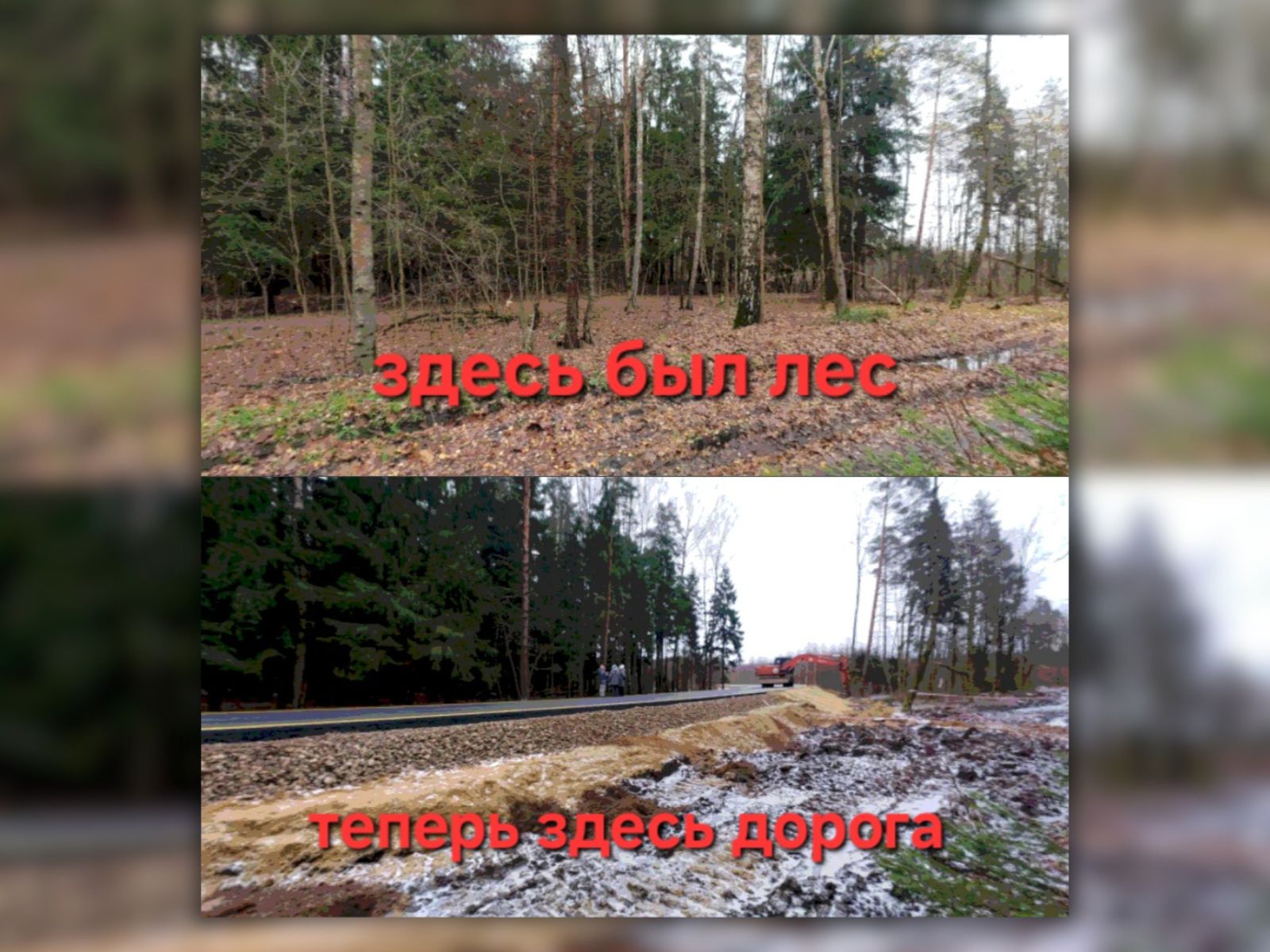
“On December 30, 2025, despite all protests from residents and activists, one-way traffic along the road through Losiny Ostrov National Park was opened. The construction was accompanied by gross violations of the law, mass felling of ancient trees, and the destruction of all living things. The road and the fence along it cut animals off from food, and people from their national natural heritage.
Where animals find holes in the fence, cut by local residents who refuse on principle to give up their usual walking routes, the animals cross the road and the threat of collisions with traffic arises. It is spring now, and all living things are awakening; it is frightening to think how many animals awakened from hibernation will die under the wheels of cars.”
It turns out that only part of the plans for the exploitation of this protected national park has been implemented so far. And the coming adoption of this dangerous bill will untie the authorities’ hands: in the interests of business, they will be able to freely transfer any parts of the refuge for mass construction.
But even now the animals cannot find peace. Their habitual migration routes have been cut off, isolated. Here is what they write to me further in the letter:
“We, a group of defenders, are trying to get information out to people, but as you say, it is very hard, everyone is morally exhausted — both the audience and us. Going to court is long and difficult; we are not giving up, but you understand perfectly well what hope for justice in our country is worth…
We were hit hard by the recent story about the large number of dead deer in Losiny Ostrov; we were accused of slander and ‘eco-craziness,’ and they even quickly released a segment on the Rossiya channel about the ‘spring aggravation among activists,’ — but in the end, by and large, we turned out to be right: from the beginning of February to the middle of March, the deaths of 19 deer were confirmed. Supposedly from attacks by packs of wild dogs, which, according to a letter from the Federal State Budgetary Institution Losiny Ostrov National Park, ‘perform the role of predators’ on the park’s territory. Predators who, for some reason, kill for entertainment: there are torn wounds on the bodies, but the entrails were not eaten. In short, not wolves… Perhaps you, as an expert on predators, could comment on this situation as well.”
This absolutely must be commented on. Groups of dogs can attack wild animals; such a problem exists and has been confirmed by specialists not only in Russia, but around the world. That is indeed true. At the same time, dog attacks in Losiny Ostrov National Park had been recorded earlier; for example, in 2021 it was reported that 15 spotted deer had died. Here is what Zelyony Zmiy wrote at the time:
“Trusting, hungry animals are coming out of the forest to people en masse, yet Mr. Yakubov can offer them only a little food, but no protection from the teeth of stray dogs and the bullets of poachers, because the ranger service has long since been disbanded, equipment/weapons sold off, and the fence of the moose station turned in for scrap metal.”
At that time, activists also spoke out on this problem, reporting that poachers were operating in the park — killing deer, but not taking them away. Instead, poachers leave the bodies of the killed animals in the forest and near the buildings of the moose station administration. This is the feeding area for 35 moose, 50 wild boars, and more than 150 spotted deer.
Naturally, this creates a collision of two factors:
The first group is an artificial concentration of hungry animals dependent on supplementary feeding.
- The second group is stray dogs, which people “kindly” abandon on the streets. If poachers kill animals in the forest and leave the carcasses behind, hungry dogs taste them. Then, in essence, the synanthropic population of wild animals becomes vulnerable at the feeding station, arriving in the hope of receiving food. And there they encounter groups of dogs that have already acquired a taste for meat and are trying themselves in the craft of hunting.
Yes, this is possible. And all of this happens not for entertainment, but because of hunger and the complete failure of the management system. And when, in an official response, the administration says that dogs “perform the role of predators,” this is in fact a biologically crude error that calls the competence of the staff into question. Dogs in the ecosystem of a national park cannot even remotely be a “normal functional analogue of the wolf,” because they are purely a factor of anthropogenic pressure: they come in from the periphery, depend on humans, disrupt the natural structure of risk, and cause not only direct mortality, but also constant stress-driven displacement of animals.
The official response from the Federal State Budgetary Institution confirms that from February 1 to March 16, 2026, 19 spotted deer deaths caused by attacks from packs of stray dogs were recorded in the Mytishchi section of the park. Moreover, the letter explicitly states that in different years the number of deer killed by dogs ranged from 8 to 20 per year. This means that we are dealing not with a sudden episode, but with a recurring problem long known to the administration.
In earlier years, even before the conflict over the highway construction began, this information had also been confirmed. Therefore, in my view, the entire administration of the national park should be dismissed, the leadership replaced, and an investigation carried out into what else they have done through their inaction.
I generally suspect, based on the information available, that in reality the matter is not even about stray dogs. Otherwise, this problem would have been solved long ago, especially this close to Moscow — there would have been evidence and work in that direction. How are park employees going to prove that it is not drunken “minor officials” in the park shooting deer and then blaming it all on stray dogs?
I do not like the way they justify this, writing synanthropic dogs into wild ecosystems as if they were natural regulators while for years being unable to solve the problem. I think this needs to be dealt with separately; it is time to install camera traps ourselves in places where deer are likely dying. Something tells me that a lot of interesting data could be obtained there.
More than that, the problem will now worsen: after the authorities finally cut the park into pieces, animals will begin moving more often along barriers, searching for passageways, concentrating in the remaining quiet sections and around feeding points. Some animals will come out to the road more often and be struck by vehicles; some will be displaced from their usual areas; some will become more accessible to dogs. For deer, this will mean rising mortality; for boars and moose, growing stress loads and more conflicts with humans; for the territory as a whole, further degradation of ecological connectivity.
All the studies I have previously examined on similar problems around the world point to the same scenario: first the territory is fragmented, then animals become crowded into isolated fragments, then mortality rises, and in the end come the post factum justifications of the “responsible officials.”
Let me close the material with two more quotations from the defenders of Losiny Ostrov National Park:
“But according to some information, the capital repair of the new road may begin even before summer… We are very worried. There is no dialogue with the authorities, only decisions being forced from above. People are tired of resisting, and major media outlets are not giving us publicity.”
“We still hope for your response in this new stage of the struggle for Losiny Ostrov. Because, as you wrote, the precedent of Losiny Ostrov is important for the whole country — this scheme of seizing territory will be implemented in any protected natural area under pressure from the construction business lobby. Ignoring the real interests and needs of citizens, our protected lands will be destroyed with our own money — and this is a ‘feast during the plague’ in a time of severe budget deficit!”
People are saying everything correctly — Losiny Ostrov National Park lies right under the capital of our country, and if this is happening even here, then what can be said about other regions of Russia, especially the most remote ones?
And, as you can see, Allies, the situation is critical from all sides. If even now dozens of deer are dying in the national park, while the forest cover has been cut apart and left to die, what will happen next to the wild animals? Panic, hunger, extinction.
These are inevitable processes.
I recommend reading the following materials:
- Losiny Ostrov National Park — a chronicle of the destruction of a protected heart
- The struggle for Losiny Ostrov — people stood their ground and went to court to defend a refuge of wildlife
- Road construction in protected areas — leading to forest fires, logging, and ecosystem degradation
Share these materials, tell people the truth about what is happening! In this total systemic crisis, truth is one of the few things we still have left. But in the end it is truth that will lead all of us toward global change! And we will prevail.
© PAVEL PASHKOV
Support the fight!
The hardest thing in our time is to remain independent from government and business! All activities are carried out independently. Stand with us and support our Mission to protect wildlife.
I want to support!Concept of TFET
The world is going through the sixth mass extinction of species; in just the last 50 years, humans have destroyed about 73% of all animals on the planet. We are experiencing a real environmental collapse on a planetary scale. It is urgently necessary to establish Territories of Full Ecological Tranquility (TFET) — we are trying to achieve a complete overhaul of the existing protected areas system.
Learn moreTake action
Take part in our public project to support wintering birds during the frosts — tens of thousands of people have already stood up to protect
Learn moreShare this material!


