
So, once again briefly: in Russia, amid the media pressure surrounding the 'bear invasion,' there are proposals to kill bears throughout the winter while they hibernate in dens with their cubs. They are also proposing to kill them without limits, meaning without restrictions. On top of this, they plan to remove almost all legislative restrictions on their 'harvest.' This has long been pursued by the hunting lobby in power, and as I mentioned earlier in my materials, it coincides with a new plan for the 'intensive development of the hunting industry,' which the Ministry of Natural Resources intends to adopt soon. The 'bear invasion' itself, in terms of conflicts and tragedies, is significantly less than in 2014, when 166 attacks on people were recorded across the country in a year. The commonality between 2014 and 2026 is that plans are being made to expand paid animal culling to increase the industry's financial turnover by hundreds of billions of rubles.
We are trying to address these issues and are among the few who actually stand up for the bears. They have a right to life. While mass collective statements are being sent to the government about the inadmissibility of bear extermination, I want to discuss the scientific side of the problem.
Colleagues in wildlife conservation from Scandinavia sent us a scientific paper that is extremely important for us right now. It's titled "Hunting Promotes Spatial Reorganization and Sexually Selected Infanticide" and was published on March 23, 2017. This is a peer-reviewed field study, meaning it's not theoretical but real practical work by scientists "on the ground," who studied the issue from 2008 to 2015 in Sweden. They specifically studied brown bears, and the results of the study are fully applicable to Russia because it is a single boreal taiga belt that spans the entire continent.
Once again: this is a full-fledged scientific work of international level, not journalistic materials or a preliminary hypothesis.
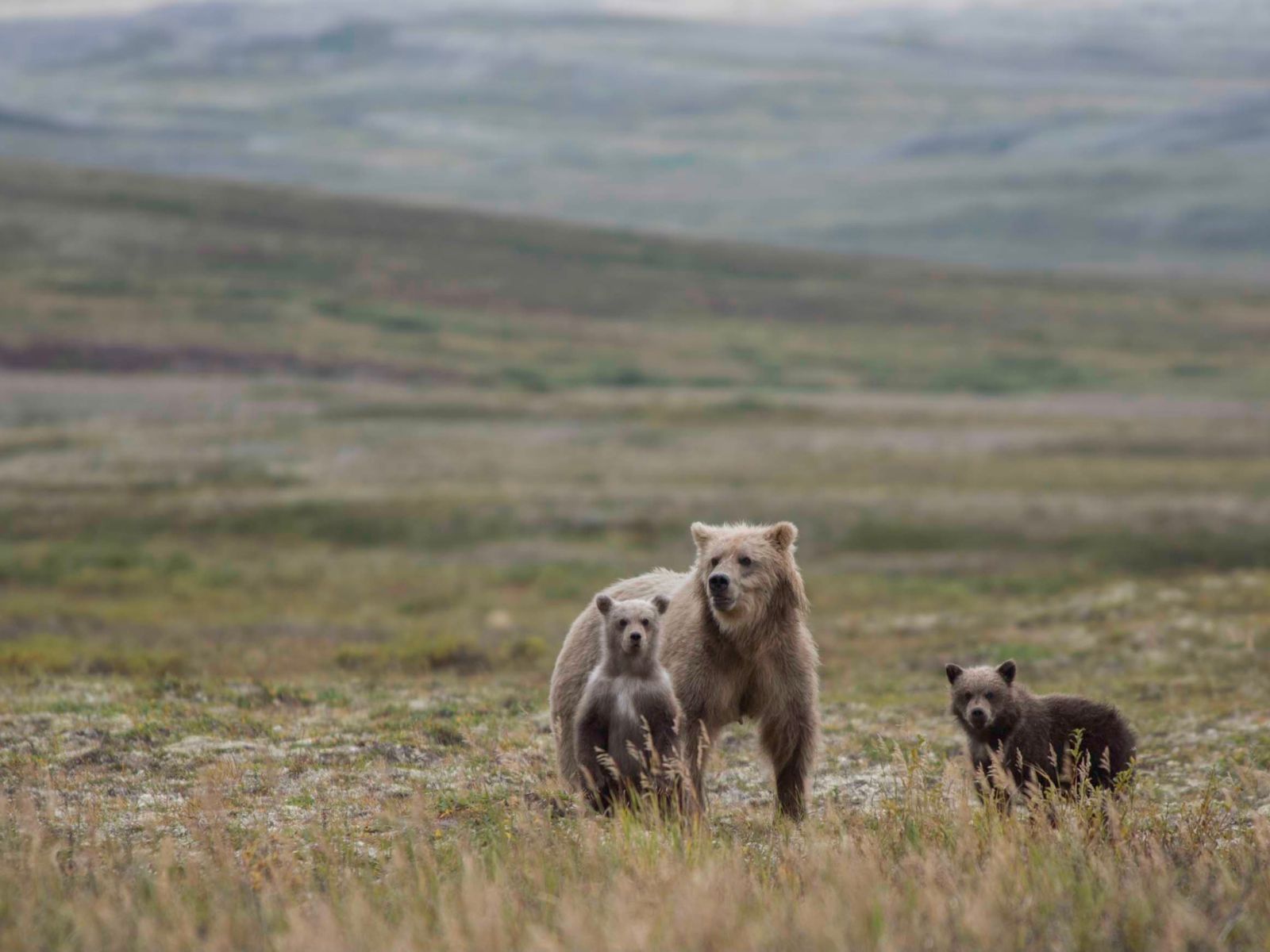
The study itself is about how bear hunting disrupts the spatial organization of brown bear populations and increases the risk of cub mortality. In other words, the killing of an adult bear by hunters practically triggers a chain of ecological consequences that last several years and directly affect the survival of other bears' offspring. Moreover, they disrupt the spatial distribution structure of bears, provoking them to approach humans, appear near settlements, and increase conflict. I supplemented this with data from other scientific studies.
The Scandinavian study mainly examines the death of cubs and the disruption of the population's spatial distribution.
Now look at what happens when hunters start mindlessly shooting bears en masse in the wild.
First.
The killing of an adult bear destabilizes the spatial organization of the population for at least two years. So, look: if bears are settled in their territories, but an adult male, who maintained the notional boundaries of this area, is killed, territorial shifts begin. Essentially, chaos ensues, and bears are forced to spread out more widely, including moving towards humans. This results in the so-called 'bear invasion' that we hear about.
Let me quote a study.
"We identified a key behavioral mechanism linking hunting with increased sexually selected infanticide and demonstrated how the spatial-temporal reorganization of males after hunting depends on both internal and external factors.
By removing males from the population, hunters destabilized the spatial organization of the population for at least two years after the male was killed.
This two-year period may be specific to brown bears due to their denning period and may differ in other species subject to hunting removal and characterized by sexually selected infanticide, such as lions or cougars.
Nevertheless, hunting intensifies changes in habitat use by surviving males and increases the likelihood of sexually selected infanticide.
Apparently, male bears assess their paternity based on their mating history, and the increased scale of changes in habitat use raises the likelihood that a male will encounter a female with whom he has not previously mated."
In other words, it is stated that a connection has been established between the death of an individual adult male and the long-term change in space usage by other bears. This is direct empirical evidence of spatial destabilization after hunting.
Second.
Hunting adult males creates conditions for the subsequent death of cubs. After people shoot a male, other bears gain the opportunity to use his territory. To start a new offspring, they may kill the cubs of others.
By the way, I've received several letters in an aggressive tone from people who support killing bears, saying, "these monsters even eat their own children." In reality, the killing of others' offspring occurs in animal populations and is a BIOLOGICAL factor that controls numbers—an evolutionary defense. When we're told that the bear population has grown and might overrun the wild so much that they'll soon start spilling out, it's not true. Population doesn't grow exponentially; there are many biological factors of self-regulation.
However, in their study, scientists showed a different model: how exactly the direct killing of adult bears by hunters triggers infanticide, impacting the entire population. Who even evaluates this when making 'responsible decisions'? Who talks about this?
Here I quote:
"We found that surviving males increased their use of the territories of males killed by hunters in the second year after their death.
Such a delayed reaction is likely related to the ecological characteristics of bears. Bears are in their dens from October to April, shortly after the hunting season, which falls at the end of August to September."
The size of the annual home range in the studied population is mainly determined by space use during the mating season (from May to mid-July), when males exhibit behavior involving movements in search of mating partners. Therefore, we assume that surviving males do not reorganize their home range use until the end of the first mating season that occurs without the neighbor killed by hunters. This could explain the two-year delay in spatial reorganization.
Our results support the hypothesis that the spatiotemporal reorganization of male home ranges is an important mechanism linking hunting removal to the increase in sexually motivated infanticide, as described above. This also aligns with previous studies of the same population, which showed a decrease in cub survival with a two-year delay following the death of a male.
Third.
The higher the hunting intensity, the very mass shooting currently being lobbied, the stronger the spatial restructuring of the population. Scientists have literally identified a statistical link between the intensity of shooting and the extent of changes in the spatial behavior of surviving males. Importantly, significant consequences for cub survival can arise even with the death of a single male near a female.
I quote:
"Surviving males significantly increased their use of the home range of the male killed by hunters in the second year after his death under conditions of higher hunting intensity. Since increased hunting intensity increases the number of available ranges for surviving males, this should lead to a higher degree of spatial reorganization."
Previously, we reported that the killing of an adult male within 25 km of a female significantly reduced the survival of her cubs with a two-year delay, although an increase in the number of males killed within 25 km did not have a statistically significant additional effect.
Although the degree of spatial reorganization increased with the intensity of hunting, this does not always lead to a corresponding proportional decrease in cub survival, because while more surviving males may respond to increased hunting pressure, just one male committing infanticide is enough to kill most of the female's cubs.
Here, I want to clarify that the 25 km radius specifically pertains to the studied group of Scandinavian bears, but in other regions, such as Siberia and the Far East, this radius may differ significantly.
Fourth.
The shooting of older males has different consequences than the shooting of younger ones. The territories of older killed males attract surviving animals more strongly. In turn, younger adult males react more intensely to the vacating of neighboring territories.
I quote:
"Next, we investigated which internal factors (age of hunted and surviving males) and external factors (population density and hunting intensity) affect the speed and extent of the reaction of surviving males to the removal of individuals due to hunting. The use of the habitat of a male killed by hunters by his surviving neighbors depended on the following factors, listed in order of decreasing relative importance: age of the surviving male (ΔBIC = 115), hunting intensity (ΔBIC = 76), population density (ΔBIC = 74), and age of the male killed by hunters (ΔBIC = 6)."
Older surviving males used the territory of a male killed by hunters less than younger surviving males did after his death. This suggests that older males might already occupy territories with higher quality resources, including food and access to females. The dependence of territory quality on age could also explain why surviving males increased their use of the territory of an older killed male more than that of a younger killed male.
I think it's clear to everyone that in practice, when making decisions about killing bears, no one takes this into account at all. But in reality, age turned out to be one of the most significant parameters determining bears' reactions to the death of neighbors.
Fifth.
This is a direct consequence of what we discussed above: hunting can disrupt reproduction and the long-term viability of the entire population. In the concluding part of their study, scientists link the direct death of animals, indirect mortality of cubs, and possible disruptions of social connections to broader demographic consequences.
I quote:
"Such consequences may also affect the reproductive performance of females, as female brown bears have a spatial structure related to kinship, where neighboring individuals negatively influence each other regarding the likelihood of cubs appearing. The direct impact of animal removal due to hunting, in addition to the indirect consequences of increased cub mortality due to sexually motivated infanticide and the potential impact of reduced social network connectivity, collectively increases the heterogeneity of survival and reproduction rates."
These effects together can increase demographic variability and ultimately affect the effective population size. Therefore, we expect spatially structured demographic variability, which can potentially lead to source-sink dynamics. Our study sheds light on the importance of animal behavior in explaining time lags in responses to hunting in the wild. Understanding the indirect consequences of hunting over long periods is crucial for developing sustainable population management methods and ensuring the viability of populations subject to harvesting."
After studying this scientific work, I needed to expand my knowledge to understand how the linear shooting of bears provokes the very 'bear invasion' we are witnessing. That is, indeed, at some point, there are more bears near populated areas, which is not a fake, and they come to people due to serious problems within the taiga itself.
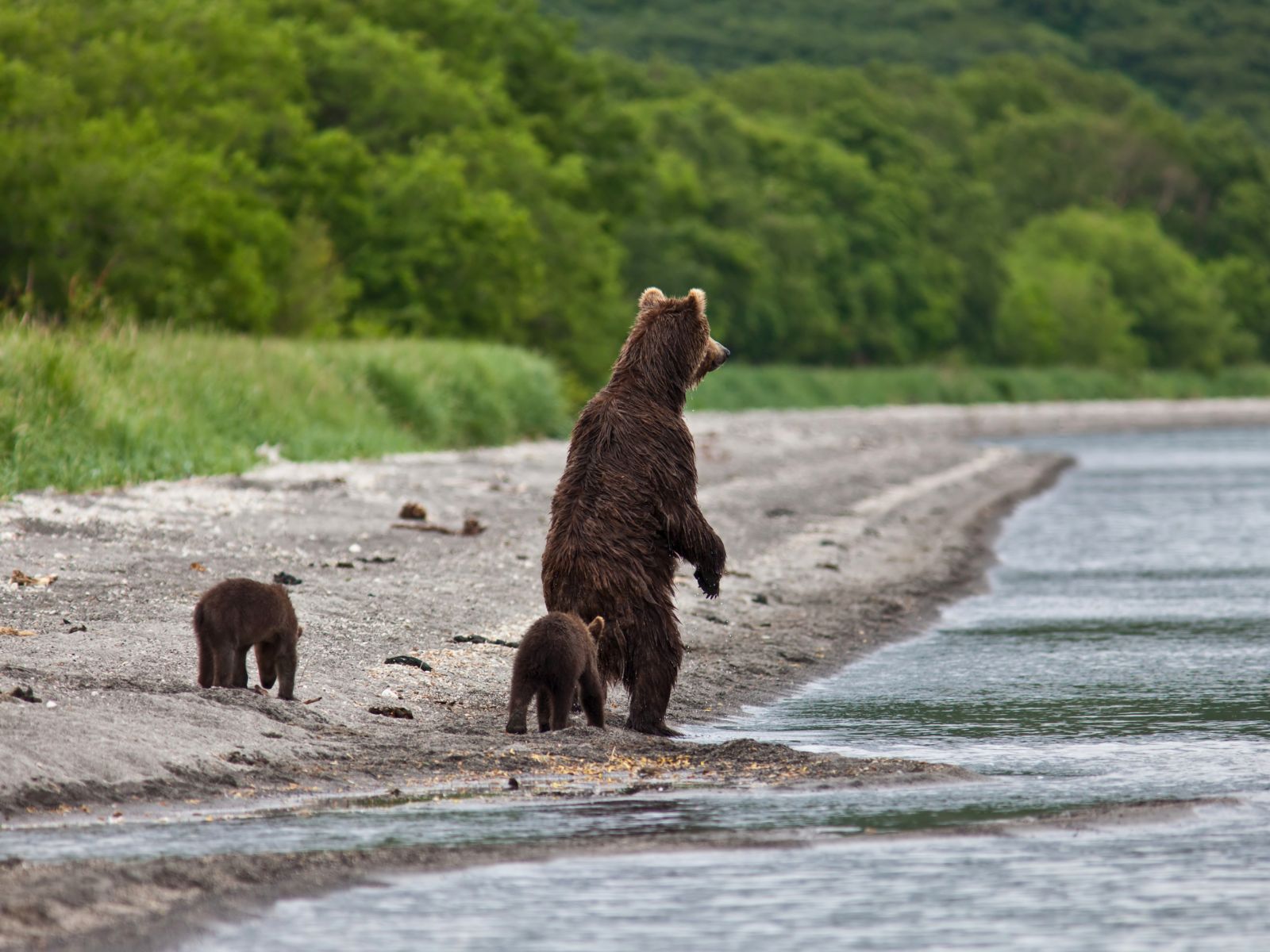
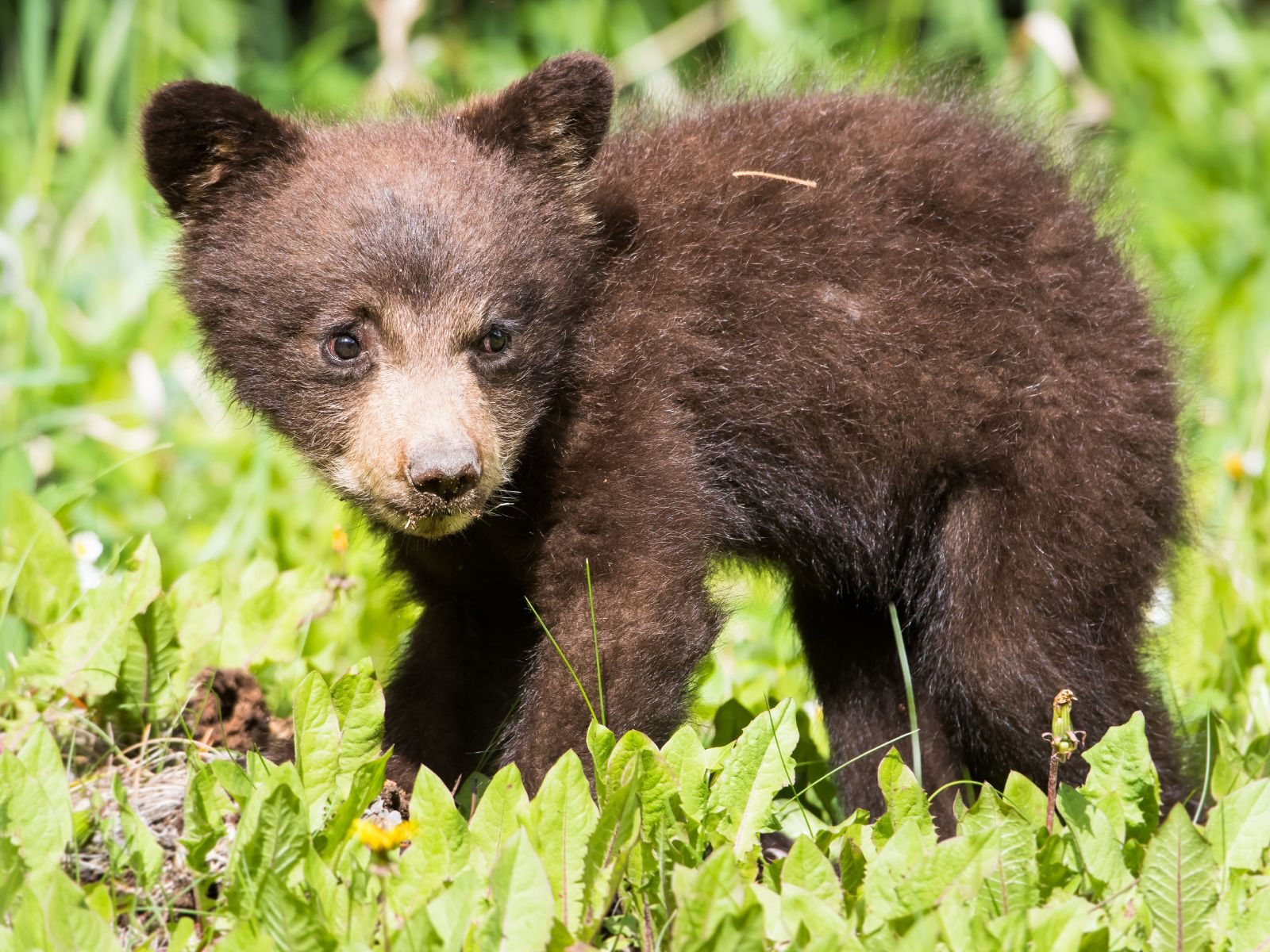
We have heard confirmations from authorities, ministers, and scientists that there is a lack of food resources. Meanwhile, NO ONE mentions that linear killings can provoke spatial disruptions in the distribution of bear populations. Moreover, I discovered the potential to ARTIFICIALLY provoke such an 'effect' by increasing the number of bear killings.
Look.
According to our registry, where we collect data on decrees signed across Russian regions regarding bear hunting limits, in 2019, more than 24,000 individuals were allowed to be killed in a year, and by 2027, over 52,000 were permitted to be shot. An absolute quantitative anomaly! The registry is available here: https://pavel-pashkov.com/bears
In other words, the pressure is definitely increasing. Hunters go into the taiga and kill adult bears. Naturally, these killings are straightforward; no one compares or analyzes anything. It's simple and banal: see a bear — kill a bear.
That is, of course, unless someone deliberately planned to create a 'bear invasion' in the near future, because I see that this is entirely possible and feasible.
We take data from a Scandinavian study on spatial decay, cub killing, and time frames: after hunters kill an adult male, other bears come to his territory in about two years. So, hypothetically, if in 2022–2023 the authorities in the regions allowed more bears to be shot and hunters disrupted the spatial structure, we can expect an increase in bear incursions, their approach to humans, and the emergence of conflicts around 2026.
I turned to additional scientific research.
First, I want to ask our women: if you have children, your husband was killed, and aggressive men ready to kill your children are soon coming to take his home and land. What would you do?
Exactly. Any mother will protect her children, and if she cannot fend off aggressive men by force, she will move to where they cannot reach her. Even understanding the danger of such a decision.
In 2016, a scientific paper was published, also about Sweden, again applicable to our country. It's called "Humans as a protective shield in the sexual conflict of a top predator."According to it, female bears with cubs begin to approach human dwellings FOR THE PROTECTION OF THEIR OFFSPRING. Scientists tracked female bears with satellite collars and compared habitat use in 19 cases of brood survival and 11 cases of complete brood loss.
Scientists have shown that female bears successful in raising offspring chose locations closer to human habitation. Researchers explain this by noting that adult males typically avoid humans, creating a sort of protective barrier for the females. Interestingly, scientists have termed this the 'human shield.' It's particularly important to note that the proximity of female bears to human dwellings was not due to searching for food waste. The authors associate this spatial behavior with a reduced risk of infanticide.
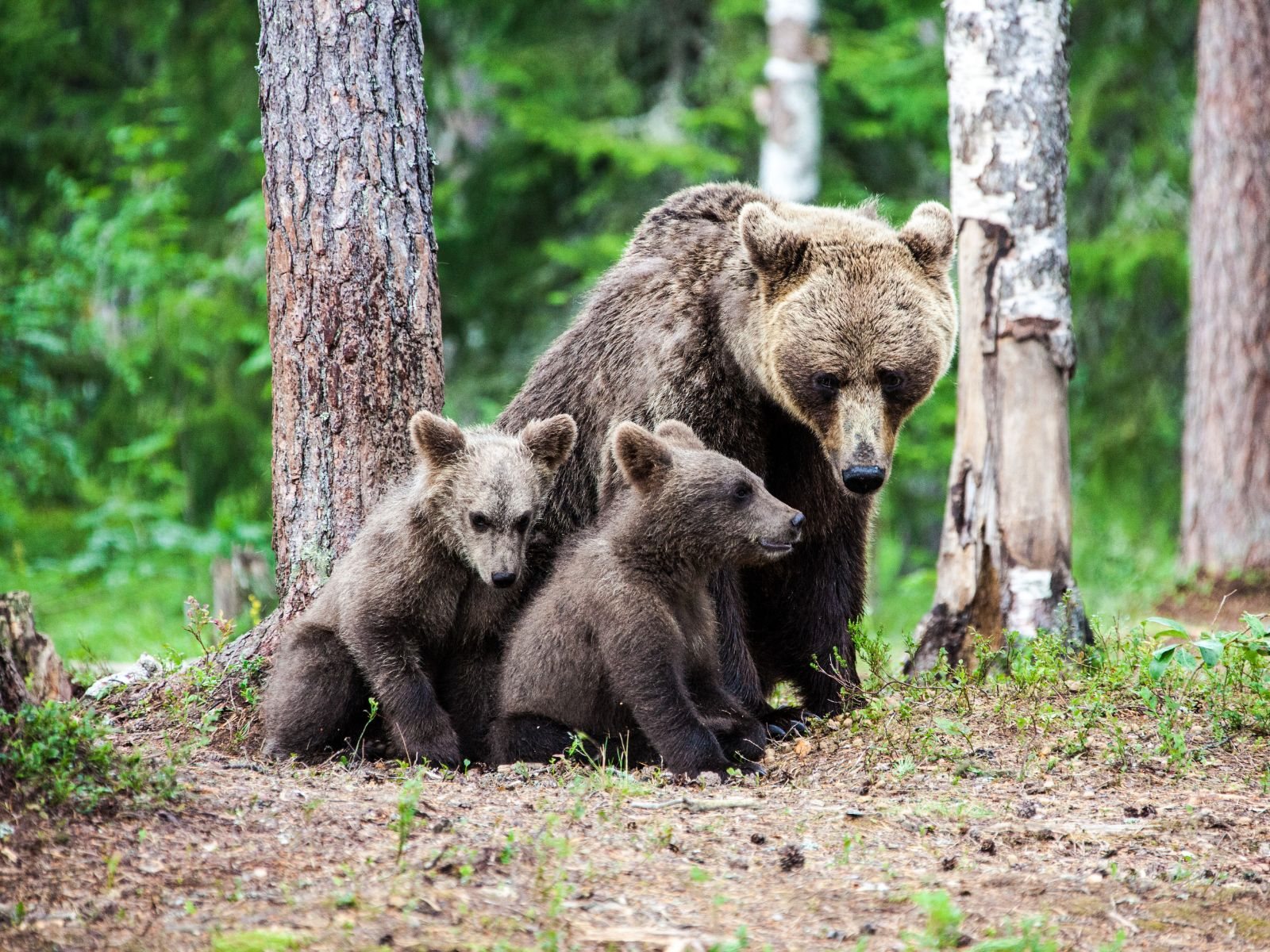
A bit earlier, in 2013, another scientific paper was published titled "Male reproductive strategy explains spatial-temporal segregation of brown bears". Also focused on Sweden. I specifically stick to one region in my investigation to show the connection of events to uncover the issue. This work also confirms that female bears with cubs change their habitat and move closer to humans to avoid dangerous males. The female bear is literally trying to protect her offspring.
AND WHEN PEOPLE LINEARLY SHOOT BEARS, THESE PROCESSES ESCALATE AND INCREASE IN SCALE, PROVOKING SPATIAL DESTABILIZATION OF THE ENTIRE BEAR POPULATION.
I separately studied a scientific review titled "Evolutionary and immediate mechanisms of bear appearances near human settlements: review and management implications", which was published in 2014.
The authors analyzed scientific literature on brown, American black, and Himalayan bears. And it's quite simple, as expected: researchers concluded that intraspecific competition and avoidance of dangerous conspecifics help explain the disproportionately frequent appearance of young bears and females with cubs near human settlements.
Now, pay attention: which bears are most often seen approaching humans? Typically, young adults and females with cubs.
I can't claim that this is happening in practice; these things are unprovable. But if I were tasked with organizing a 'bear invasion' over several years to push through some major legislative projects, I think it would be entirely feasible. By systematically shooting adult males, understanding the species' biology, and simply passing down quotas to be met by hunting enterprises in specific areas.
But it's even easier to organize this by simply lacking any understanding of the complexity of biological systems if a massive industry of recreational hunting continues to shoot animals indiscriminately, ignoring potential consequences.
Below are materials for study; please review them. We are currently almost the only ones systematically trying to address the problem of bear destruction in Russia. And it's very serious:
About how the internet was flooded with fake news about bears: https://pavel-pashkov.com/articles/en/fake-bear
What is really happening and is it true that bears are massively attacking people: https://pavel-pashkov.com/articles/en/bear-hysteria
In just one year, authorities allowed the killing of over 52,000 bears: https://pavel-pashkov.com/articles/en/bear-registry2027
Subsequently, there were demands to kill bears during hibernation and to remove any limits altogether: https://pavel-pashkov.com/articles/en/invasion-of-bears
And is it true that the bear population has doubled and can no longer be contained in the taiga: https://pavel-pashkov.com/articles/en/how-many-bears
- In Romania, they also began mass bear culling, but at the same time, scientists PROVED that conflicts can be reduced to zero and problems solved without indiscriminate killings: https://pavel-pashkov.com/articles/en/romania
Spread this material, comrades, tell people the truth. We are doing an extremely important job: fight for Life!
© PAVEL PASHKOV
Support the fight!
The hardest thing in our time is to remain independent from government and business! All activities are carried out independently. Stand with us and support our Mission to protect wildlife.
I want to support!Get involved
On an ongoing basis, we launch public initiatives together to protect wildlife and achieve real change. Join this work and help change the world for the better.
Explore the initiativesTFET Concept
We are working to transform the global protected-area system — Territories of Full Ecological Tranquility (TFET) must be created. Wildlife needs refuges from human pressure! This is one of the key paths out of the planetary ecological crisis and toward preventing further ecosystem collapse.
Learn more
