
I constantly receive angry letters from people telling me that I have no right to defend tigers! There have been letters from Russia, from the Far East, as well as a couple of letters from India when I wrote about conflicts with tigers there. People are genuinely bewildered: “How is it even possible to defend tigers?” and in every letter they try to convince me that there are far too many predators. The same justifications appear in the media, and recently even some pseudo-experts, who actively lobby the interests of hunting structures that have long been trying to achieve the legalization of shooting Red Data Book animals, have begun actively chewing over the theory of a “sharp increase in population.” Including tigers.
There really have been many conflicts; tigers have been seen more often — that is a fact. And we, speaking in defense of wildlife, are talking precisely about this: it is not the tiger population that has increased, but their natural habitat and food base that have critically shrunk. We humans ourselves provoked these conflicts, and now we are watching victims appear on both sides! Every year, both people and tigers die as a result of these encounters.
Most often, people do not want to see either arguments or facts. A person who kills animals for entertainment, calling it “sport hunting,” will never admit that he consciously committed a crime against wildlife! An official who adopts a bill to increase the scale of animal shooting for the sake of short-term profit will never admit that he personally signed off on a crime. And a resident of a remote area in Russia or India, increasingly encountering a tiger near his home, will never believe that they are on the brink of complete extinction. It will always seem to him: “I see tigers more often, so there must be too many of them.”
We tried to explain that if a tiger has nothing to eat and nowhere to live, it will inevitably become SYNANTHROPIC and will look for food near humans. But this has always proved useless; people stubbornly refuse to see reality!
Now let us turn to the facts: how many tigers are actually left in the wild?
I will immediately highlight the key, scientifically proven fact — THE TIGER POPULATION HAS DECLINED BY MORE THAN 95% IN JUST THE LAST HUNDRED YEARS. In terms of time, this is literally an instant — the lifetime of our great-grandfathers!
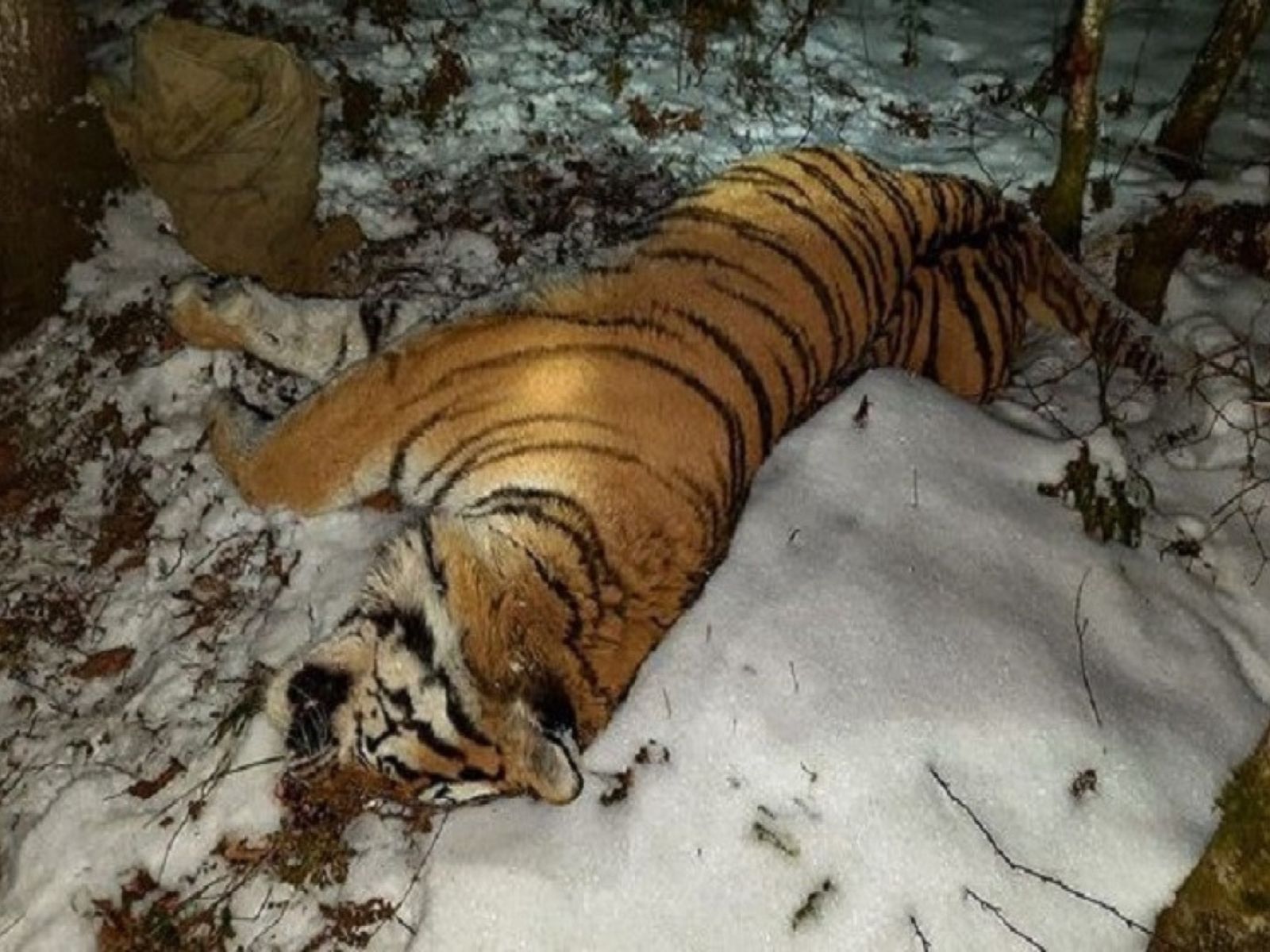
If in 1900 there were around 100,000 tigers in the world, today only about 4,000 individuals remain in the wild. At the same time, three of the nine tiger subspecies have become completely extinct — the Javan, Balinese, and Caspian tigers — while a fourth subspecies, the South China tiger, has not been seen in the wild for several decades. No one knows whether it still exists at all today!
These are the real numbers! On the entire planet, in the wild, only about 4,000 tigers remain. The rest were destroyed by humans.
Moreover, historically, the extermination of tigers was carried out entirely deliberately. For example, during the colonial era and the first decades of the 20th century, thousands of tigers were killed in trophy hunts by all kinds of wealthy people and officials. For instance, an Indian maharaja from the state of Rajasthan personally killed more than 3,000 tigers during his lifetime. In addition, only a few decades ago, state campaigns were carried out to destroy tigers as “pests.” For example, in China in the 1950s, Mao Zedong declared the tiger an enemy of the people and organized its total extermination!
Only in 1987 was an international ban introduced on commercial trade in tigers and their parts, and from the early 1990s, bans were also introduced on domestic markets in countries such as China and Vietnam. But this hardly helped in any meaningful way — such measures drove up prices on the black market, and buyers, wealthy people from around the world, began competing for a “rare tiger derivative.” According to global scientists and experts, from 2000 to 2022 alone, law enforcement agencies confiscated at least 3,377 tigers — live animals, skins, bones, and so on — in more than 50 countries. And this is only what was discovered and seized! It does not even begin to reflect the real scale of tiger destruction.
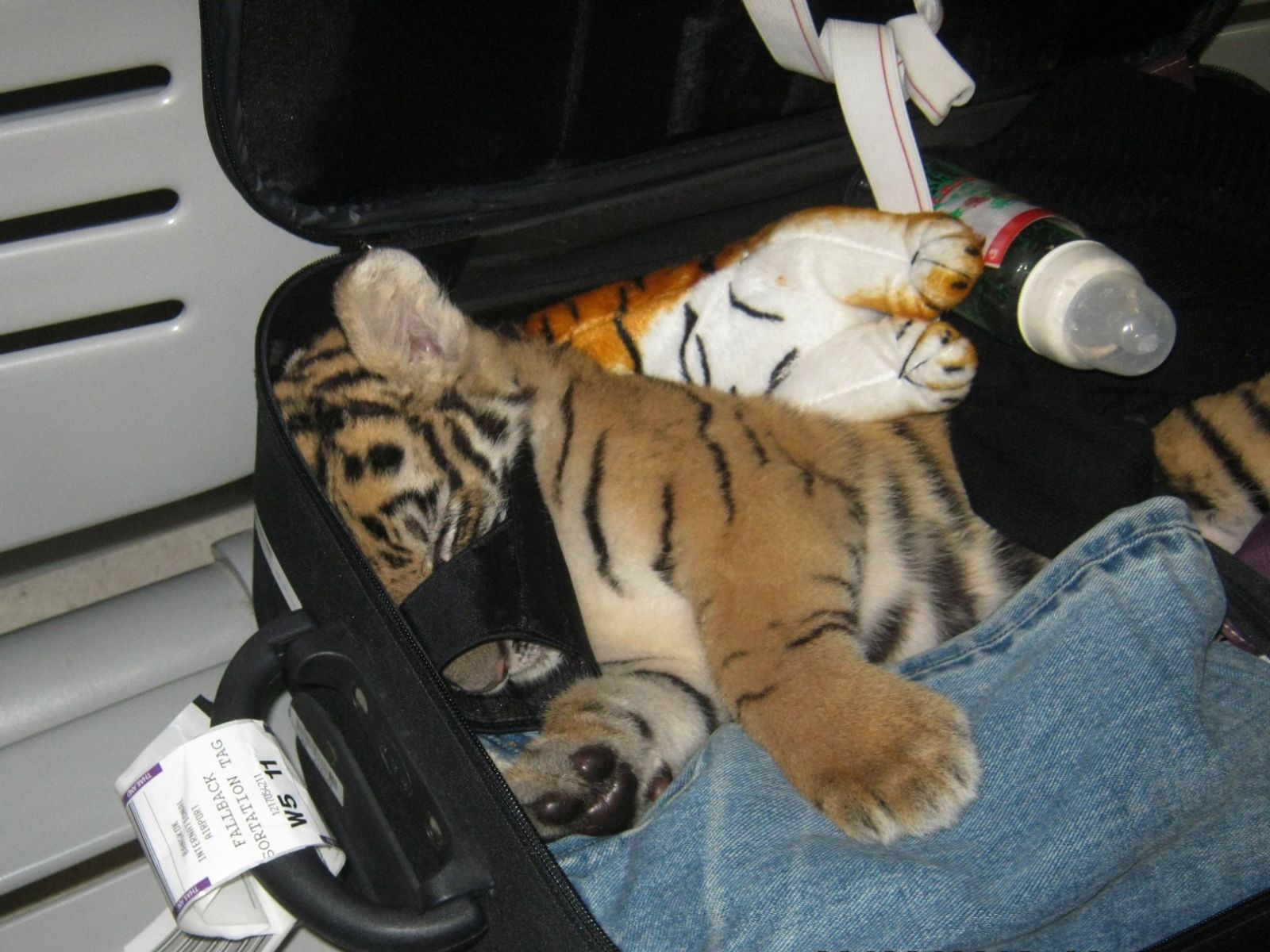
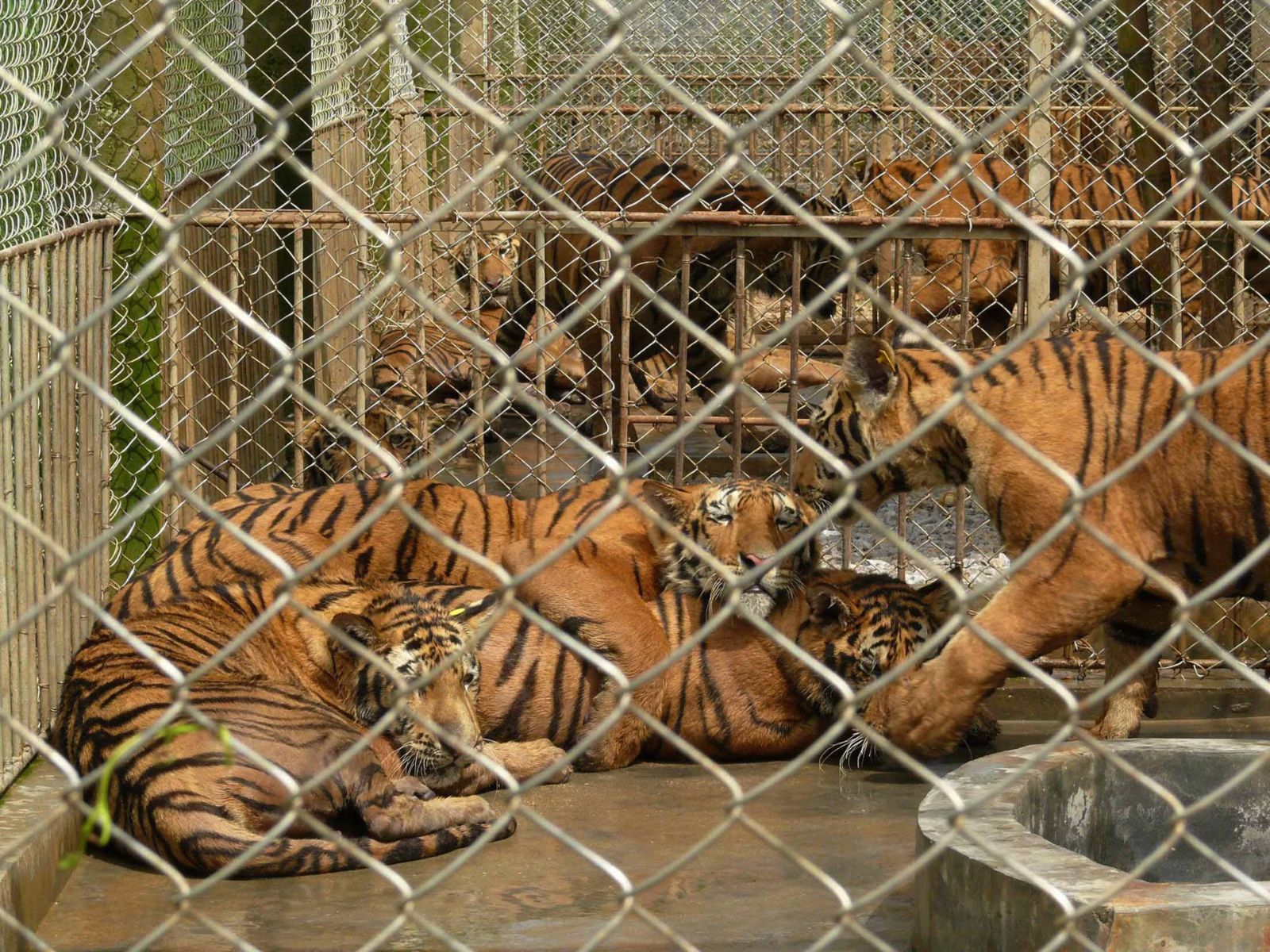
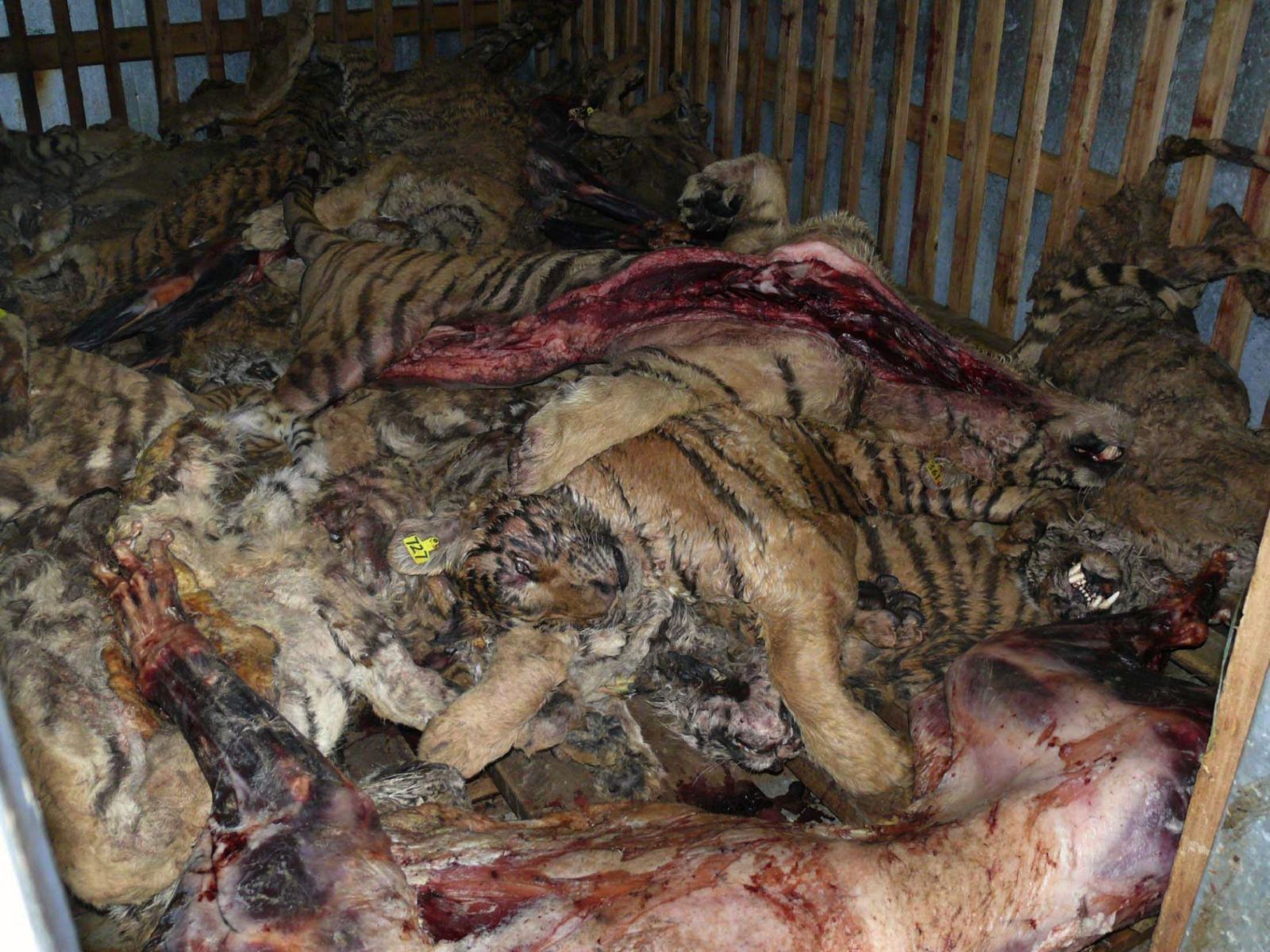
Demand for tiger body parts began to grow rapidly, giving rise, among other things, to “tiger farms.” Even today, between 7,000 and 8,000 tigers are kept in captivity on tiger farms — twice as many as remain in the wild. Officially, such “farms” are registered as zoos or entertainment centers, but in reality they are factories for breeding and killing tigers for profit. Tigers there are bred on a conveyor belt, purely for subsequent slaughter, to satisfy demand for bones, skins, tinctures, and other products sought after on the black market.
By the way, people have written to me about these farms, saying that perhaps the existence of such an industry is not so bad. They argue that if tigers are bred in captivity, wild ones will not be killed. But the reality is exactly the opposite: the creation of such farms only fuels demand even more and blurs the line between the acceptability and unacceptability of using body parts of an endangered species. Moreover, a kind of “caste division” has emerged: buying a tiger part from a farm is seen as an “economy option,” while ordering the killing of a real wild tiger living in nature is regarded almost as a “magical practice.” Various remedies made from parts of wild tigers are considered “especially healing.”

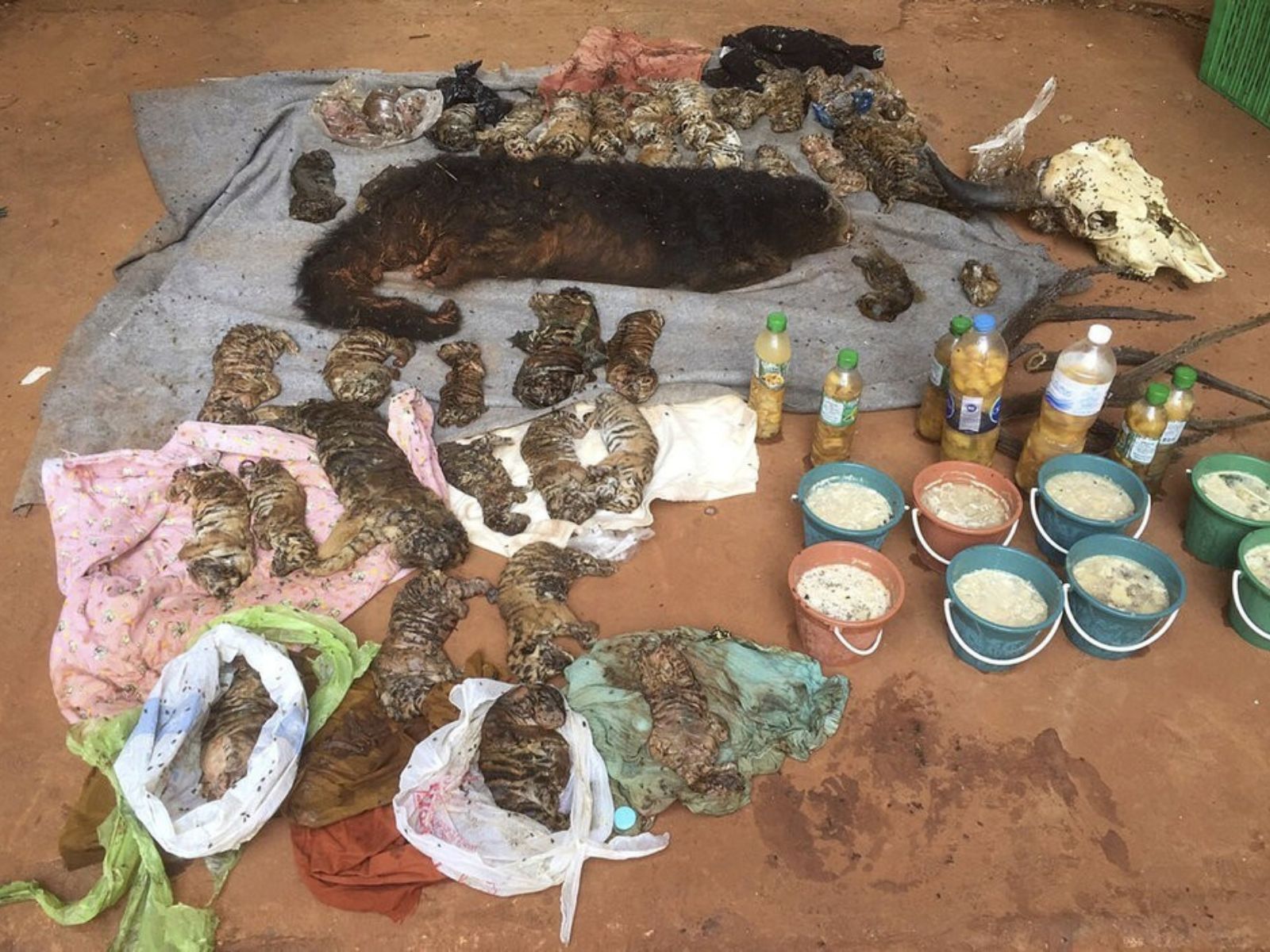

As a result, the extermination of tigers continues right now.
Prices for tiger body parts are enormous. For example, a skin can cost up to 25,000 US dollars; raw bones, used in traditional medicine, cost around 1,000–2,000 US dollars per kilogram. A concentrated extract is made from bone material — the bones are boiled for days in a steamer until they dissolve into a kind of glue. The cost of this perversion is even higher, reaching $6,500–13,000 per kilogram. In some cases, tiger glue can sell for up to $15,000/kg, especially if it is made from the bones of a wild rather than a farmed animal.
Thus, THE RARER TIGERS BECOME IN THE WILD, THE HIGHER THEIR PRICE ON THE BLACK MARKET.
In recent years, conflicts in the wild have become more frequent. There are indeed many problems! Hungry, dispossessed tigers come out toward people in search of food. At the same time, people are expanding the scale of forest destruction, transferring vast territories into private hands for the organization of recreational sport hunting, and exploiting the last refuges of wildlife.
So what are tigers supposed to do? Their global population is around 4,000 individuals. Where are the last survivors supposed to go? How critical has the situation become if even small tiger cubs are crawling under village houses, dying painfully of hunger?
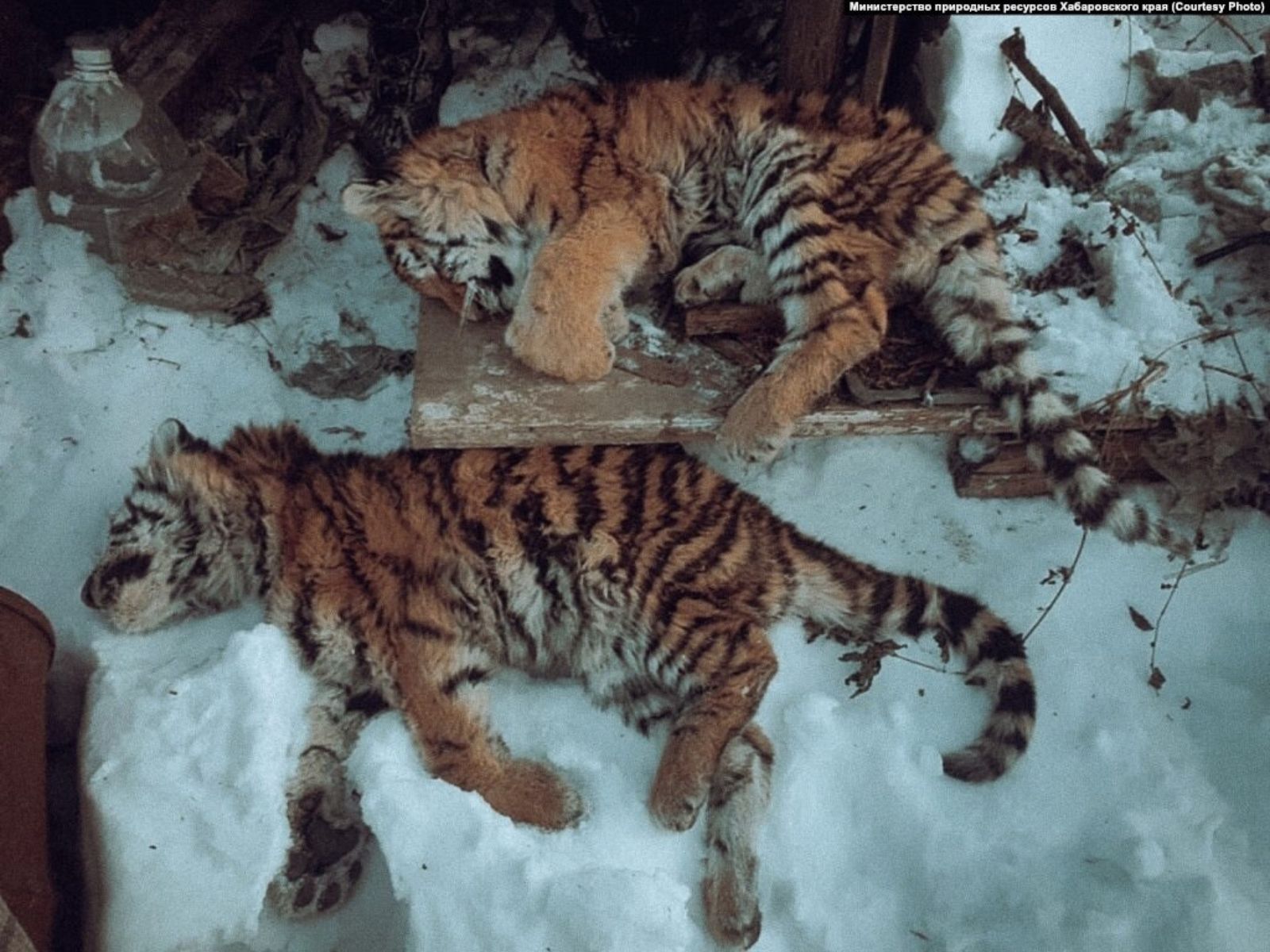
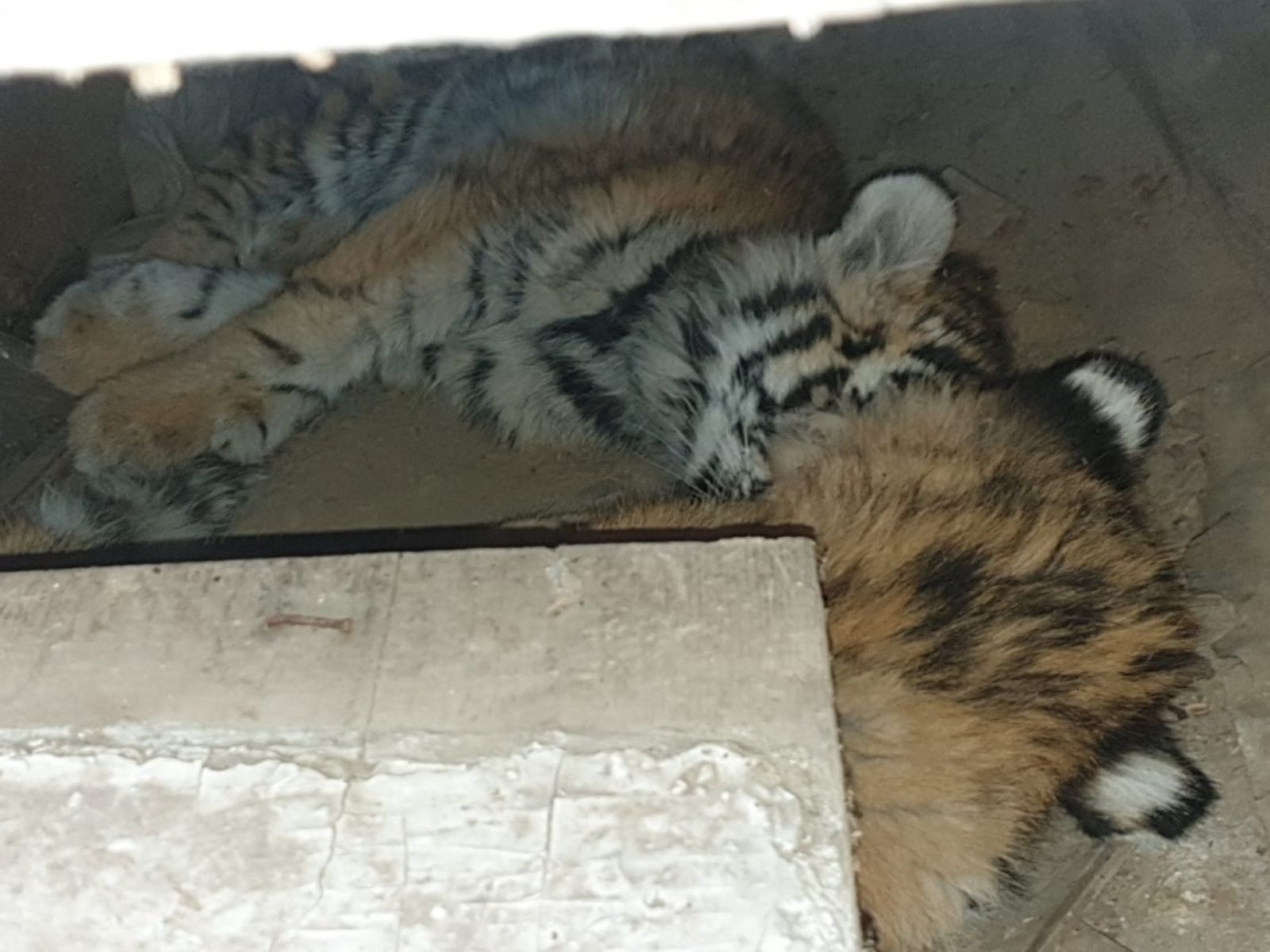
In Russia, we have been talking for a very long time about the problem of tigers coming out toward people. In the Far East, it has already led to human casualties — several people have been killed, and there are also many dead tigers! Moreover, experts find old, festering bullet wounds on tigers, meaning that people were simply shooting at these predators.
And for a long time we were told that there were no problems with the food base! They claimed that there really were too many tigers. But last year we managed to secure official recognition of all these problems at the state level — all the problems we had been talking about were confirmed.
Unfortunately, the situation is not improving.
We are witnessing the destruction of all global ecosystems — the last protected areas are isolated from one another, torn into pieces. And at the same time, states continue to “develop” wildlife refuges, finally destroying animal habitats.
Since the problem is global, it can only be solved comprehensively.
We have developed the Concept of Territories of Full Ecological Tranquility (TFET), with specific scientific studies confirming the global destruction of the biosphere. Within the framework of our Concept, it is urgently necessary to change the existing protected area system, connect fragmented sections of preserved ecosystems into a single whole, and create mandatory refuges for wildlife.
Sign the International Petition and help spread the Concept so that as many people as possible can learn about it. If millions rise up in the struggle for Life, we will be able to change the world.
Otherwise, our children will be able to see tigers only in pictures. People will wipe a keystone species off the face of the Earth, and with it, millions of years of evolutionary history.
© PAVEL PASHKOV
Support the fight!
The hardest thing in our time is to remain independent from government and business! All activities are carried out independently. Stand with us and support our Mission to protect wildlife.
I want to support!Get involved
On an ongoing basis, we launch public initiatives together to protect wildlife and achieve real change. Join this work and help change the world for the better.
Explore the initiativesTFET Concept
We are working to transform the global protected-area system — Territories of Full Ecological Tranquility (TFET) must be created. Wildlife needs refuges from human pressure! This is one of the key paths out of the planetary ecological crisis and toward preventing further ecosystem collapse.
Learn more
