
Russia must urgently ban the logging and commercial exploitation of stone pine forests and oak forests. These forest-forming species are being destroyed on a catastrophic scale, which has already reduced the food supply available to wildlife and triggered an uncontrolled ecological collapse. We are witnessing cascading ecosystem degradation, starving animals entering populated areas, and the loss of habitat. Wildlife literally has nothing to eat, and this is confirmed by scientists, leading academics, and specialized Russian experts.
We are losing entire natural systems that took thousands of years to develop. Stone pine forests and oak forests are being replaced by secondary forests that cannot replace the destroyed ecosystems in terms of biodiversity, food resources, or resilience. The consequences include the collapse of food webs, declining populations of forest animals, degradation of soils and water regimes, and escalating conflicts between humans and wildlife caused by the loss of natural habitat.
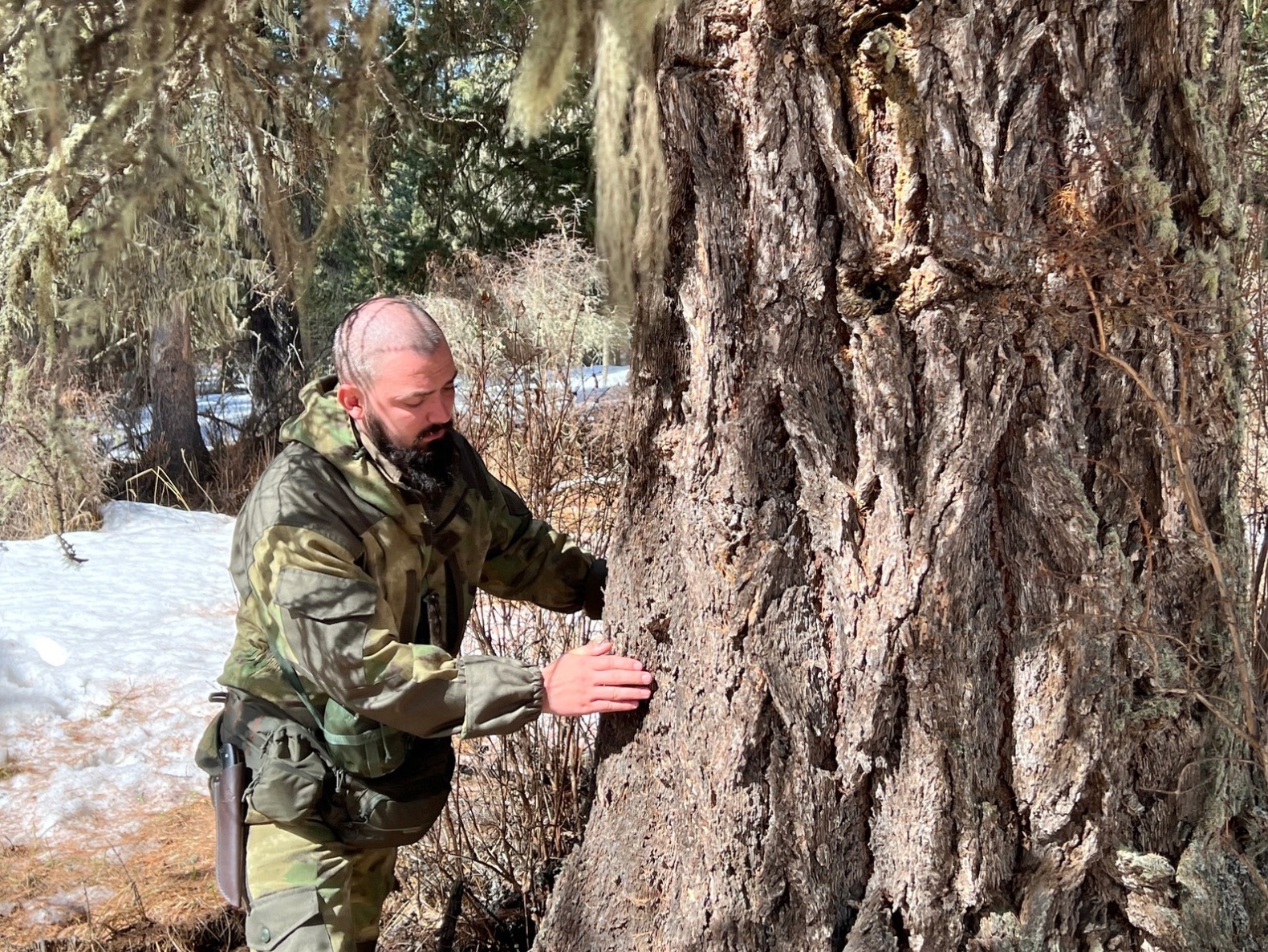
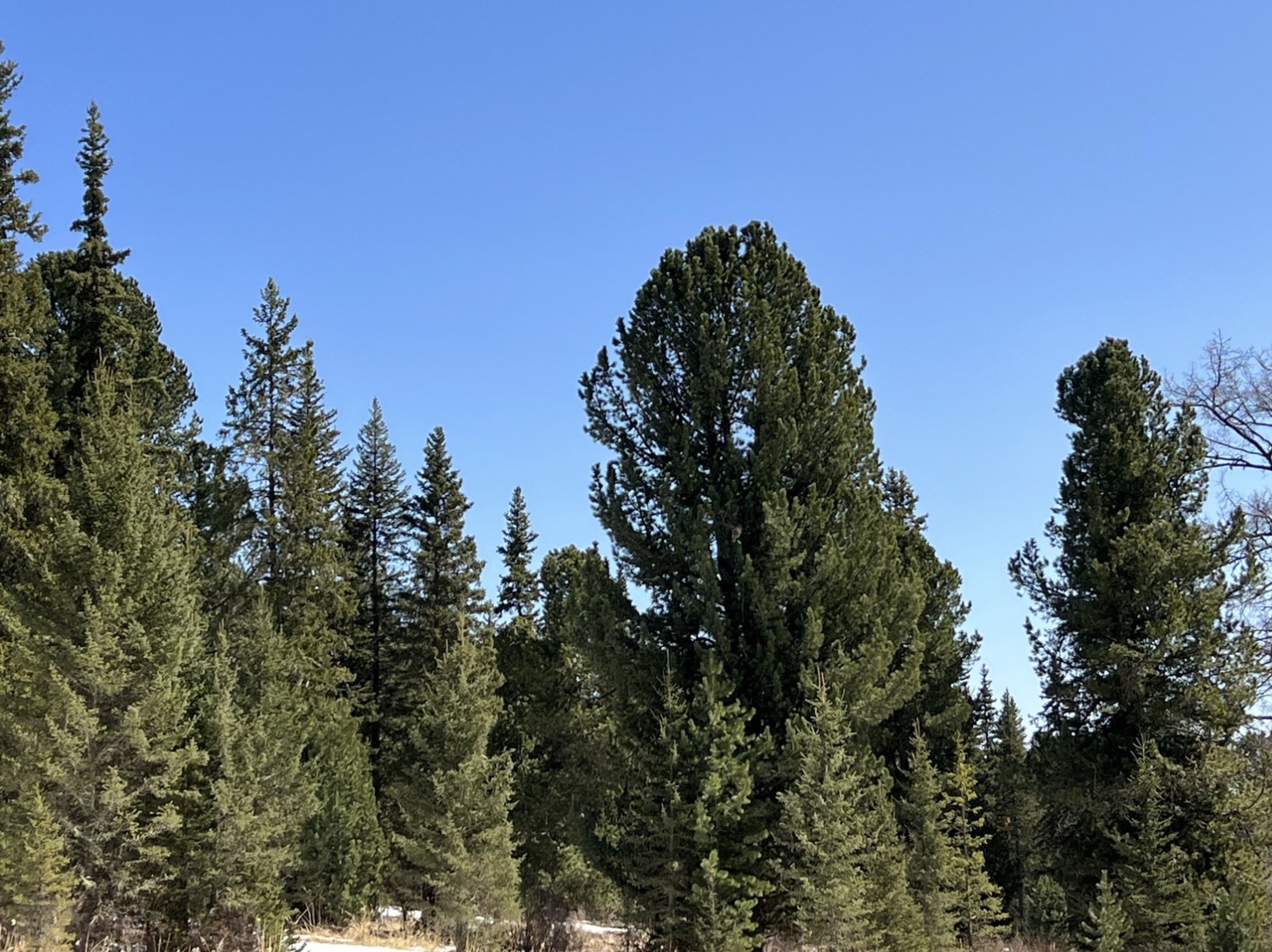
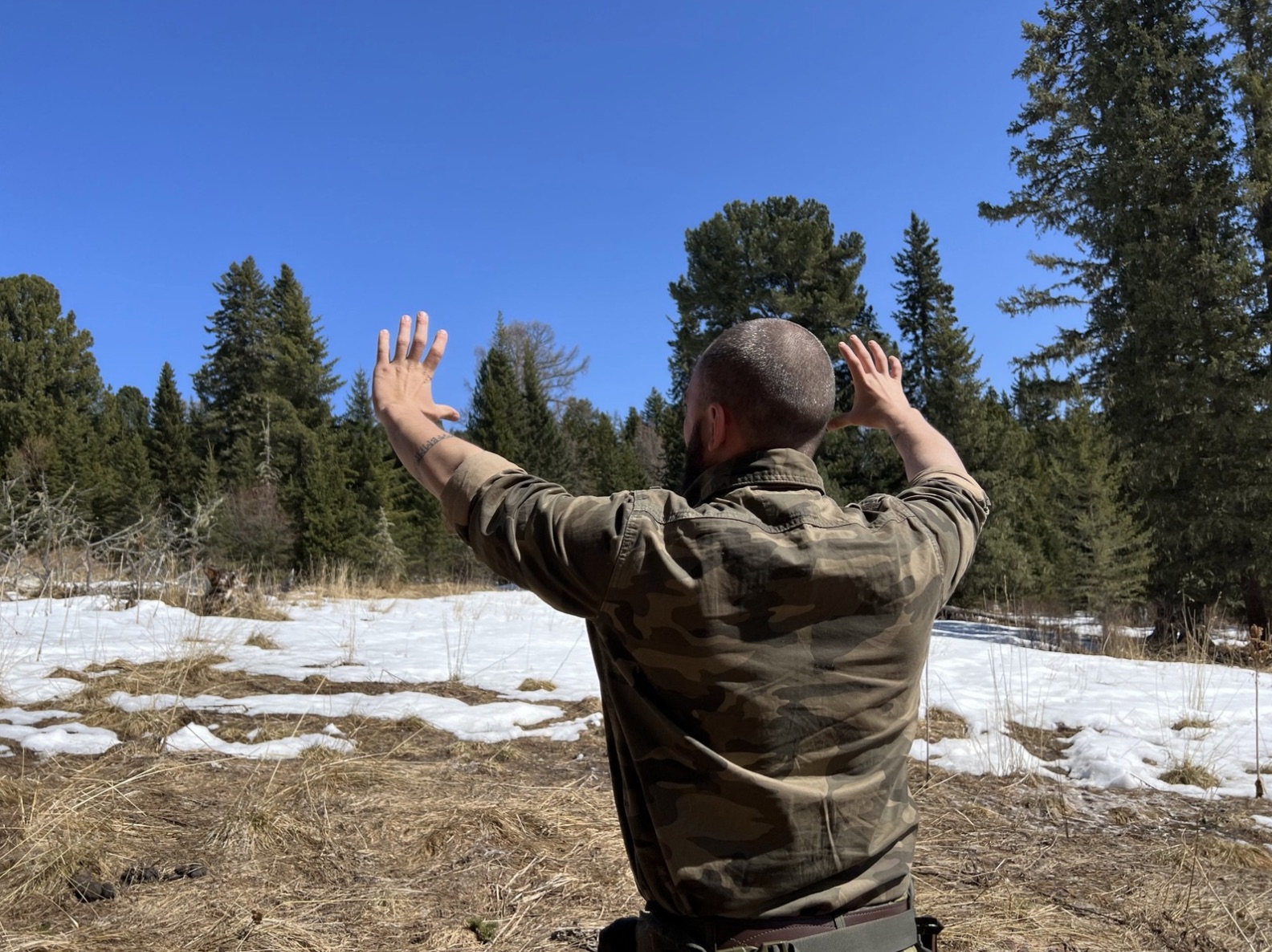
I will try to explain this in greater detail.
Consider the following.
If the electricity is shut off in a house with electric heating, everything will fall apart.
First, the house will become cold. Then both the heating pipes and the water supply pipes will freeze and burst. The sewer system will freeze. One benefit is that you will be able to store food in the house without a refrigerator—it will not spoil anyway. After all, your refrigerator also ran on electricity, and few people today store food in a cellar or outdoors during the winter.
In this simple example, electricity is the system’s “critical vulnerability.” Without electricity, nothing will function. The entire system will collapse as a functional whole.
Emergency physicians understand such critical vulnerabilities, when every second counts: cardiac arrest, respiratory arrest, or a ruptured femoral artery.
Either resuscitation begins immediately, or there will soon be no one left to resuscitate.
We. Are. Here. Now. In Russia, in 2026. And we are in exactly the position of an emergency physician: either we secure protection for the critical vulnerabilities within natural ecological communities, or forest ecosystems will begin to collapse catastrophically. We are on the brink!
Keystone species in ecosystems—
are exactly what I mean when I speak about the critical vulnerabilities of systems.
Under conditions in which there are few of us, our strength is limited, resources are scarce, and external pressure is immense, what are we supposed to do?!
The answer seems simple to me: we must direct all available forces toward protecting what matters most. We must protect keystone species within ecosystems. Among animals, these are predators—animals mercilessly killed for prestigious trophies while being portrayed as “evil.” The general public, frightened by media horror stories about “terrifying beasts emerging from the terrifying taiga,” does not defend them and never will. Unfortunately, public opinion is manipulated through emotion, while society lacks the systematic biological knowledge needed to withstand such emotional pressure.
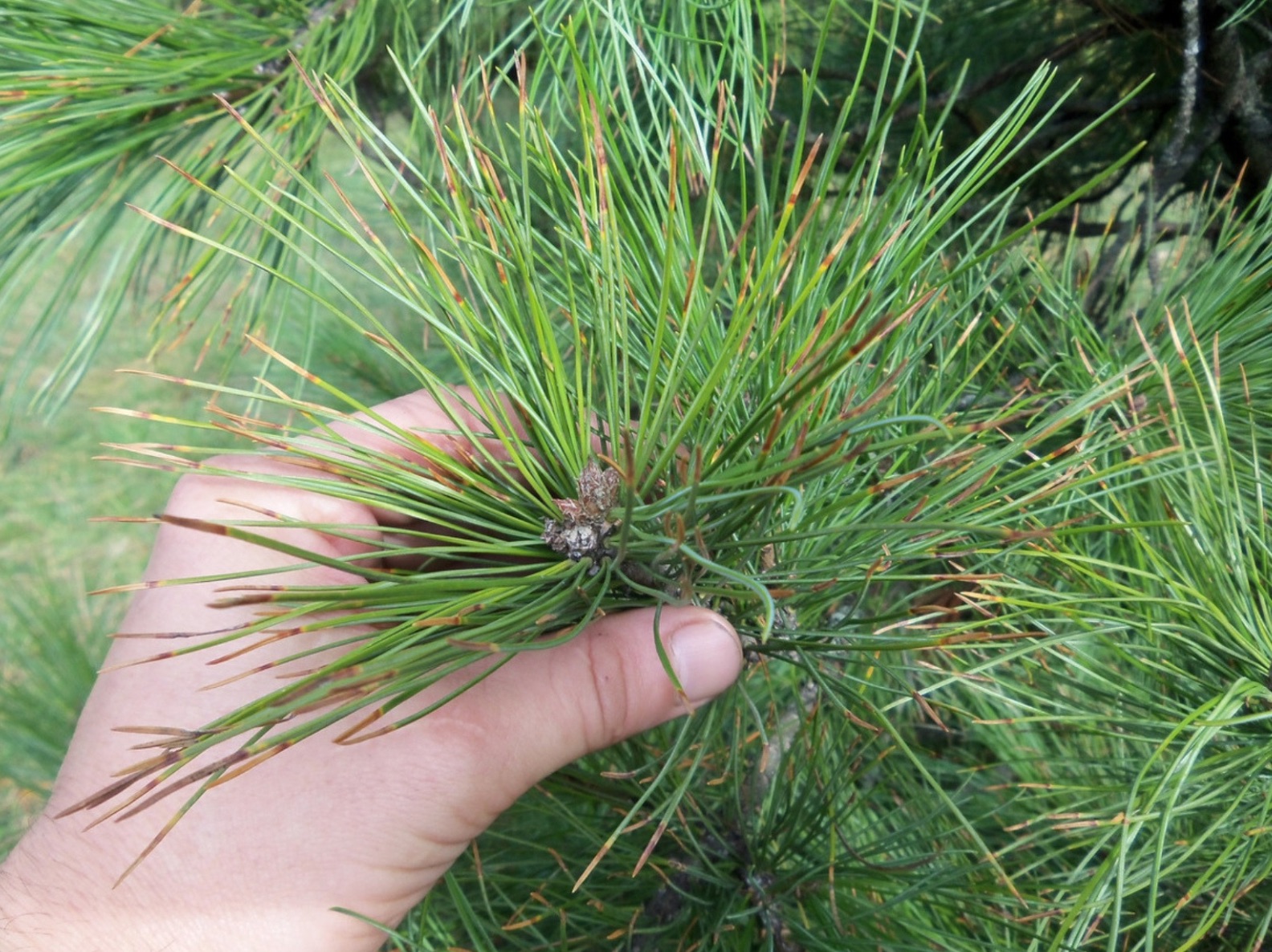
Among plants, these are mother trees—local, first-order centers of ecosystem self-recovery, so to speak. In Siberia and the Russian Far East, these are stone pines and, to some extent, larch and fir in more northern areas. In the southern regions of European Russia and the Far East, oak also plays this role.
Do you think people in the past worshiped sacred trees for no reason? Do you think sacred oaks and sacred stone pines were merely naive beliefs or an anachronism? They were not. On the contrary, the future clearly belongs to this seemingly “archaic” understanding of the forest as a living and thinking entity!
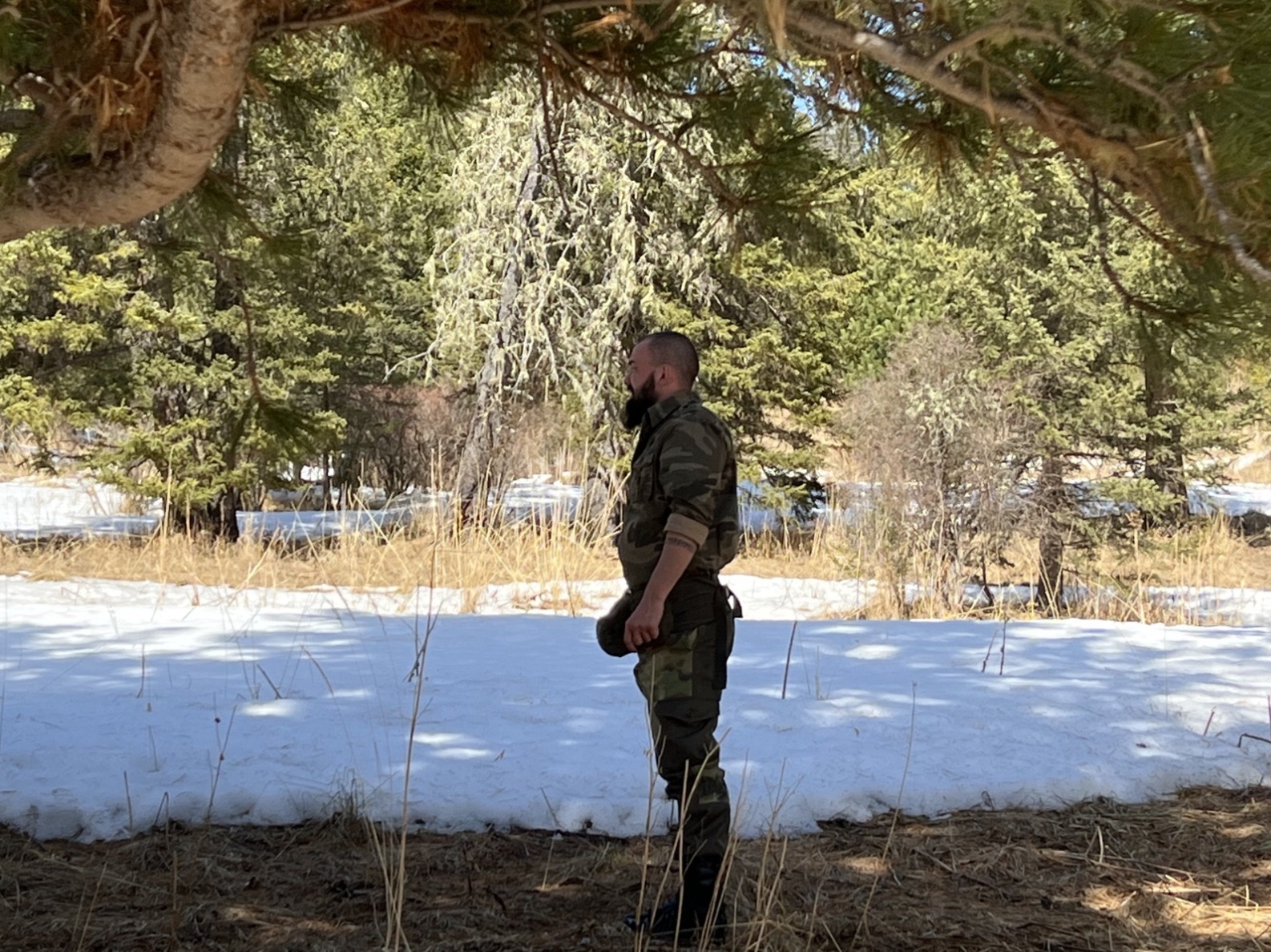
An edificator—from the Latin word for “builder”—is, in the broad sense, an organism whose activity creates or substantially alters its environment. This systematic category includes dominant producers, the so-called “forest-forming tree species.” This is not a new concept. It is part of the basic, long-established body of knowledge about forests.
Keep your greedy hands off at least the old-growth stone pine forests and oak forests, or we will not be able to preserve our forests at all! This must become the foundation of science-based forest management.
I am talking about the most basic principles—the level of an introductory ecology course or an encyclopedia article. The level of understanding what fundamental concepts actually mean.
A keystone species is a species that has a disproportionately large effect on its natural habitat and ecological community. The concept was introduced into science by zoologist Robert Paine in 1969—an eternity ago by the pace of change in modern society!
Edificator species play a crucial role in maintaining the structure of an ecological community and influence every other organism within the ecosystem. Without these structure-forming species, the ecosystem would be completely different—if it did not cease to exist altogether!
The role of a keystone species in an ecosystem is analogous to the role of the keystone at the top of an architectural arch. Although the keystone bears less pressure than the other stones in the arch, the arch will collapse immediately without it. A locking stone. A key stone. The stone that binds a pile of separate stones into an architectural structure—into a system.
In the same way, an ecosystem can undergo fundamental changes when a keystone species disappears, even if that species represented only a small proportion of the ecosystem’s biomass or productivity. This concept has long been established in ecology and conservation biology!
Yet the existing system of government forest management is profoundly anti-scientific and non-systemic. And I am not speaking only about Russia—the problem is clearly global! We, part of the scientific community, and thinking and active people in general, are all trying to influence the system that actually makes decisions: government administration. But we carry little weight, and we do not have enough power! Money outweighs everything, while government management remains commercially and resource oriented: anything that cannot be devoured simply does not exist for such a bureaucratic system. “Nonmaterial entities” such as keystone species, edificators, forest-forming trees, or ancient mother trees simply do not exist for officials. All they recognize are cubic meters of timber and “economic expediency.”
This is complete madness. If universities were evaluated according to the same criteria, professors and academicians would have to be measured in kilograms of live weight! They would be evaluated not by their knowledge, scientific achievements, or contribution to educating students and young scientists, but by kilograms of body weight! Why is such a deranged and anti-scientific approach still used to assess the value of natural ecosystems?!
The question is largely rhetorical: biological systems are not assessed as systems at all at the level of government administration. Every valuation is resource based. Nature is treated as an external environment that serves as a source of resources—limitless and uncontrolled.
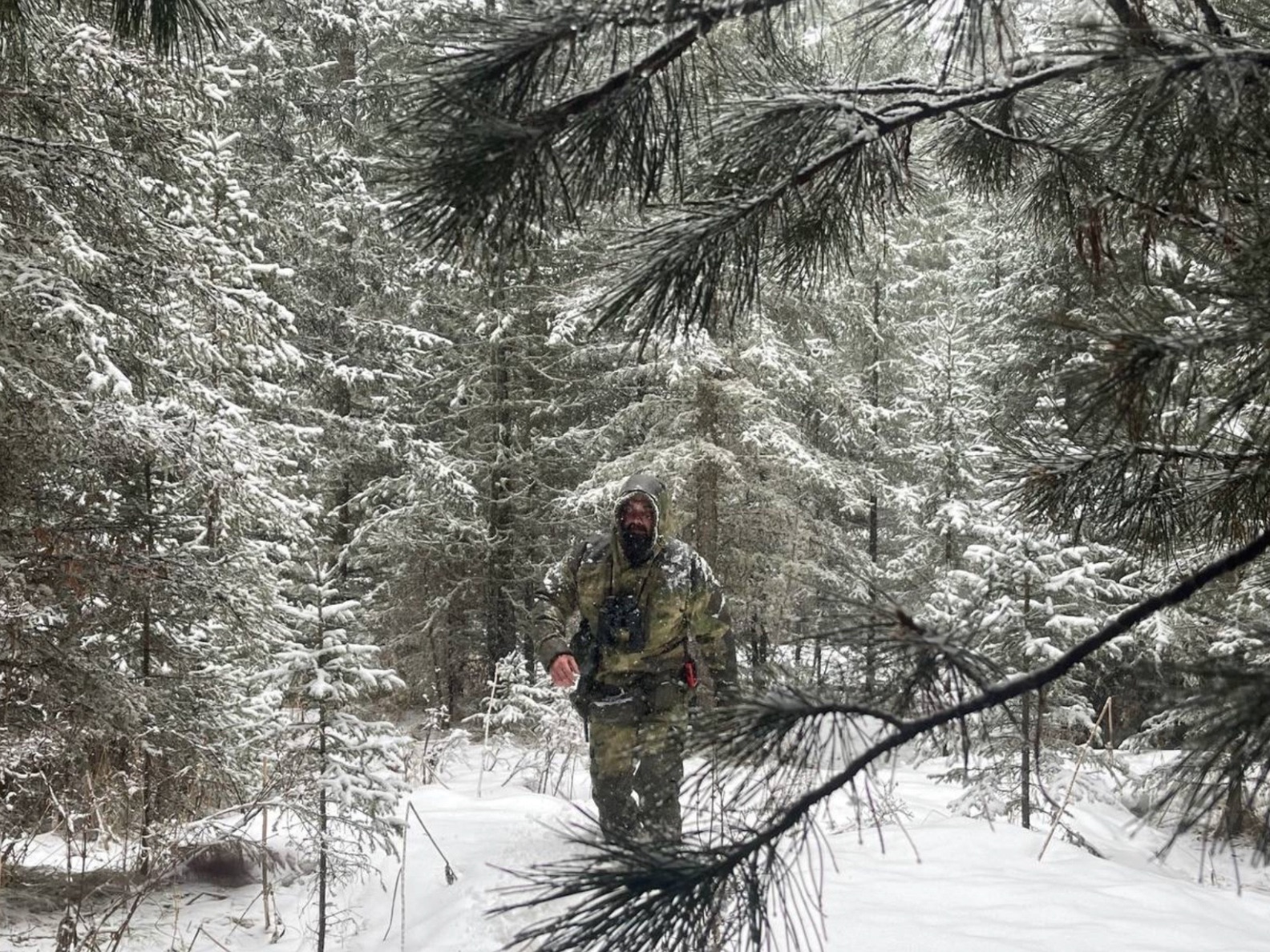
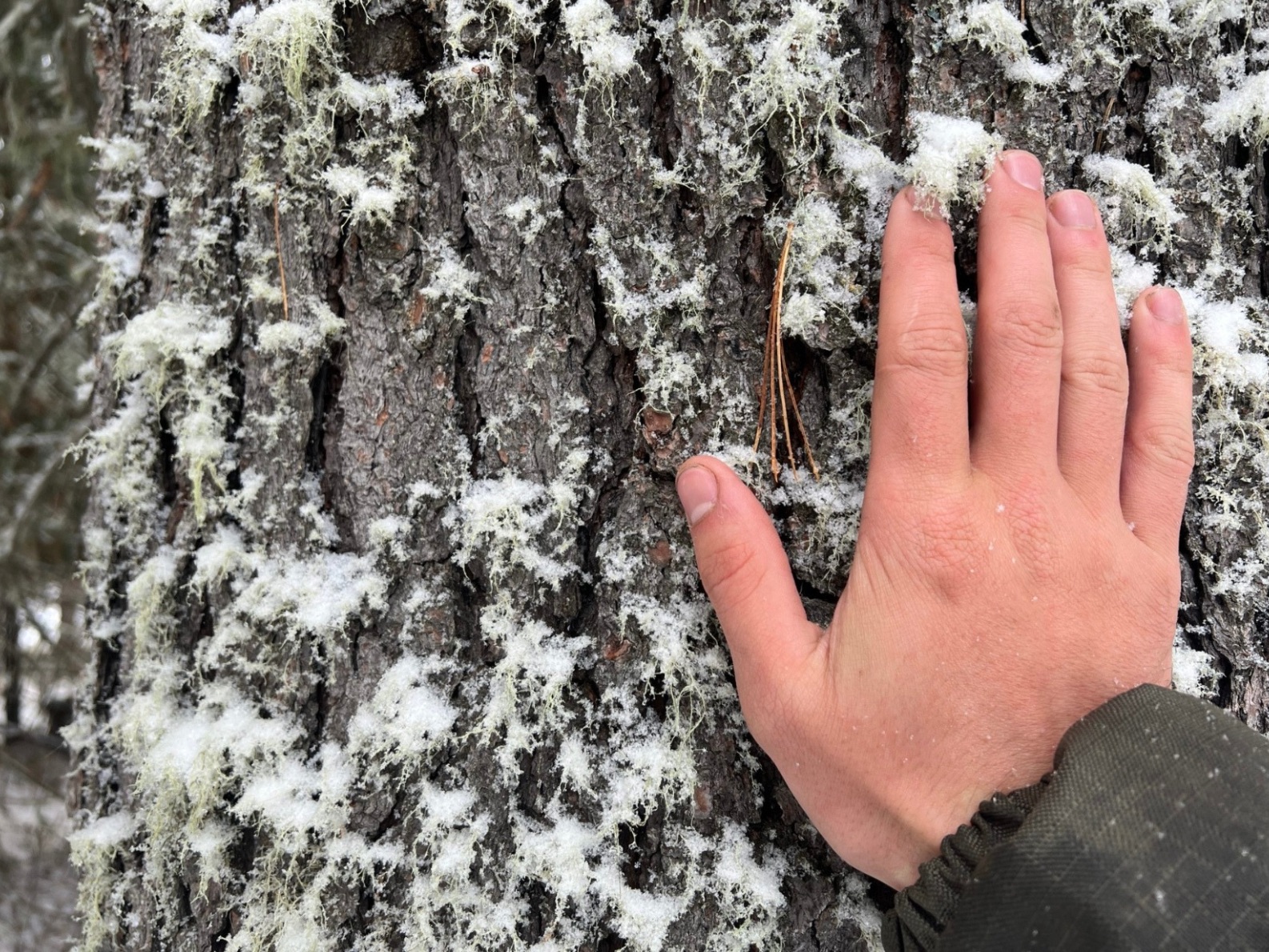
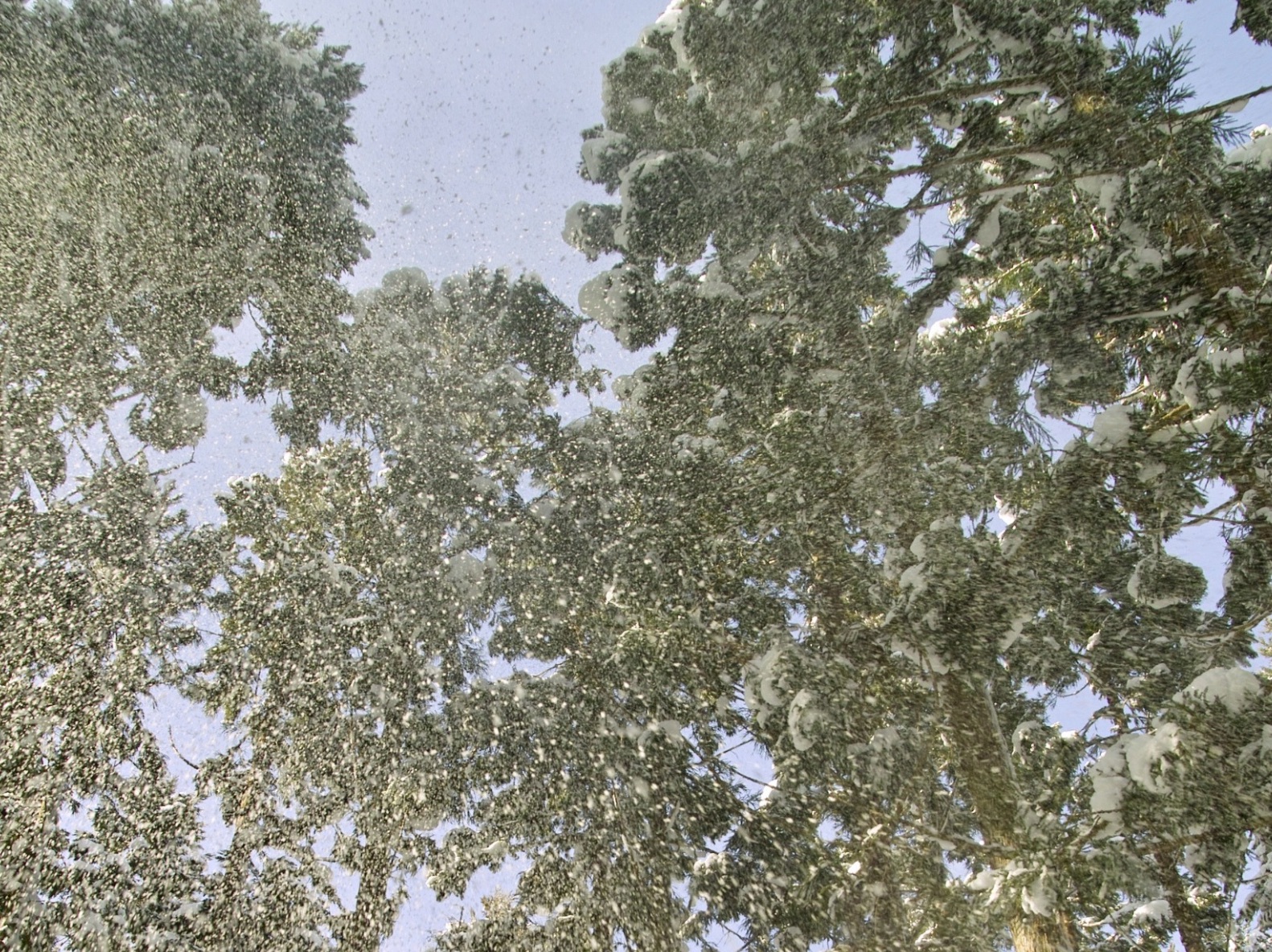
Within this paradigm, a stone pine or oak is not a function within a system. It is timber—a resource to be sold and, consequently, a means of enriching certain groups of people who are already far from poor.
For reference, I will provide an assessment from the Russian Far East—one local example.
Starving tigers—a keystone predator species—entering populated areas lays bare the festering crisis of the broader degradation of the ecological community:
- tigers lack food because ungulate populations—including wild boar, deer, musk deer, and others—have declined;
- this, in turn, is connected both to hunting and, above all, to the degradation of the resource base of ecological communities as a whole;
- specifically, to the destruction of ecosystem-forming Korean pines and oaks.
When we examine the Korean pine–broadleaf forests of the Russian Far East—the forests that form the core of the tiger habitat’s food and spatial network—the picture is terrifying.
The estimated areas are as follows:
— 6.44 million hectares in 1946;
— 5.45 million hectares in 1956;
— 4.27 million hectares in 1961;
— 2.88 million hectares in 2001;
— approximately 2.94 million hectares in 2007.
This represents a decline of approximately 54.3% from the 1946 level.
(V. N. Koryakin, Korean Pine–Broadleaf Forests of the Russian Far East, 2009.)
I will quote several passages from his work:
“Forest development, and above all excessive industrial exploitation focused primarily on harvesting Korean pine timber without regard for the other useful resources provided by these forests, led to their severe depletion and loss of value: a substantial reduction in the area they occupied, a severalfold decline in the growing stock of Korean pine, and reduced stand productivity.”
“Continued use of Korean pine forests under the former regime would inevitably have resulted in their complete transformation within commercial forests into secondary or stable derivative stands inconsistent with management objectives.”
In other words, many years ago, a scientist’s doctoral dissertation already documented the enormous scale of Korean pine forest destruction and the need for urgent changes.
And these data extend only through 2007. No further large-scale independent assessments were conducted—only subsequent scientific confirmation that the situation has deteriorated severalfold and is now on the brink of collapse.
Moreover, the figure of 2.94 million hectares does not mean that these are fully functioning, living Korean pine forests of the original type. According to the study, at the beginning of the twenty-first century, derivative forest ecosystems—secondary degraded forests—covered an area at least twice as large as the remaining primary Korean pine–broadleaf forests. In other words, even where an area is formally classified as forest on a map, it is often no longer the same Korean pine forest that produces nuts, creates a complex ecosystem structure, and supports the surrounding plant and animal communities. Assessments frequently count forest areas where Korean pine merely occurs, rather than actual Korean pine forests. When a bureaucratic official claims in an official response that we have “so many Korean pines that we do not know what to do with them,” it must be understood that this is how they calculate the figures—by counting vast areas in which Korean pine may simply occur.
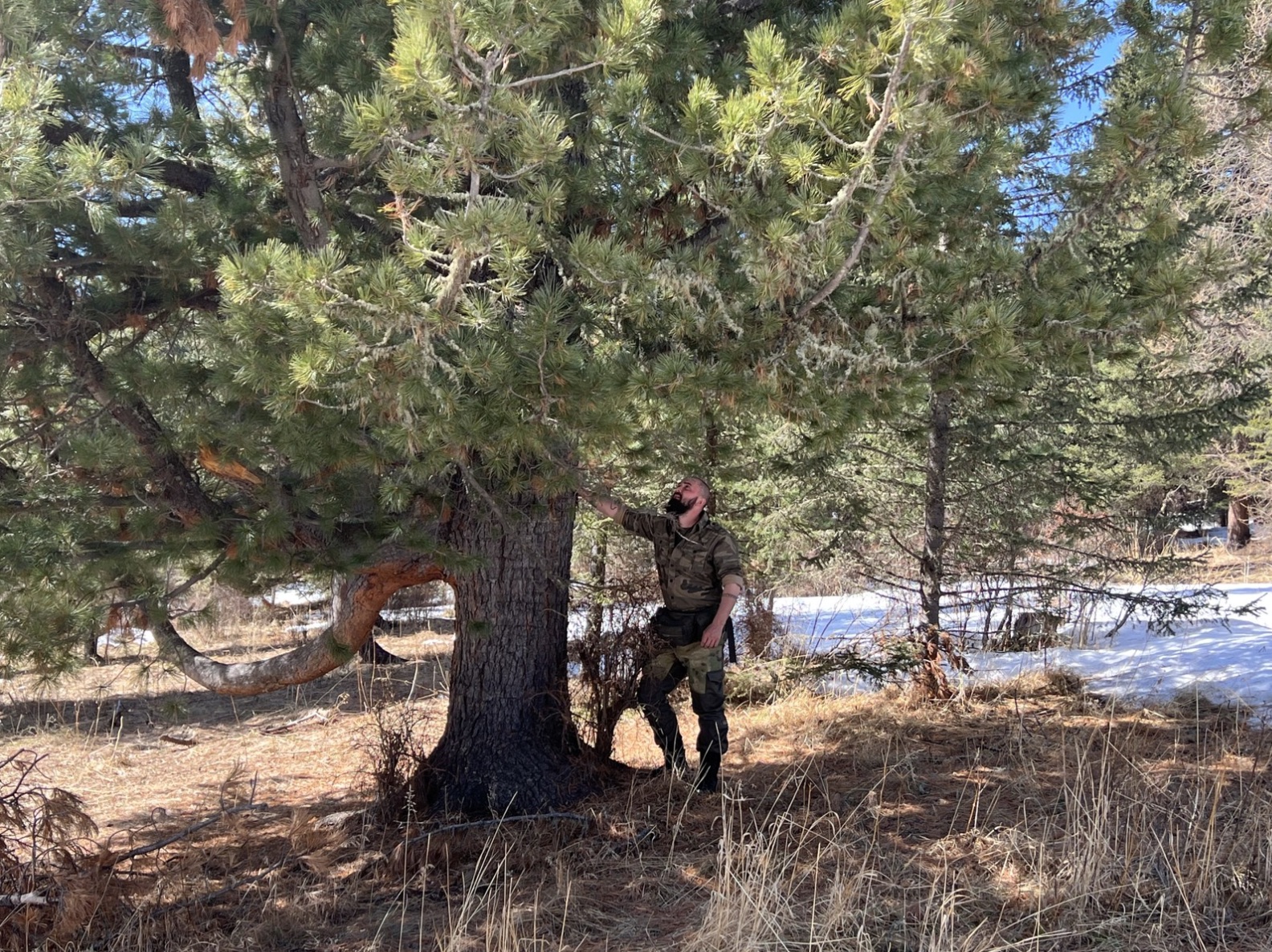
As you already know from my earlier reports, in recent years starving tigers, which are endangered and listed in the Red Data Book of the Russian Federation, have been entering populated areas. Scientists and experts unanimously confirm that the problem is the destruction of their habitat and the disappearance of their prey base—they literally have nothing to eat and nowhere to live. This has been confirmed by new scientific research and by the federal government.
In March 2026, at a session of “Eastern Russia,” Doctor of Biological Sciences Andrey Goncharov of the Far Eastern Branch of the Russian Academy of Sciences stated:
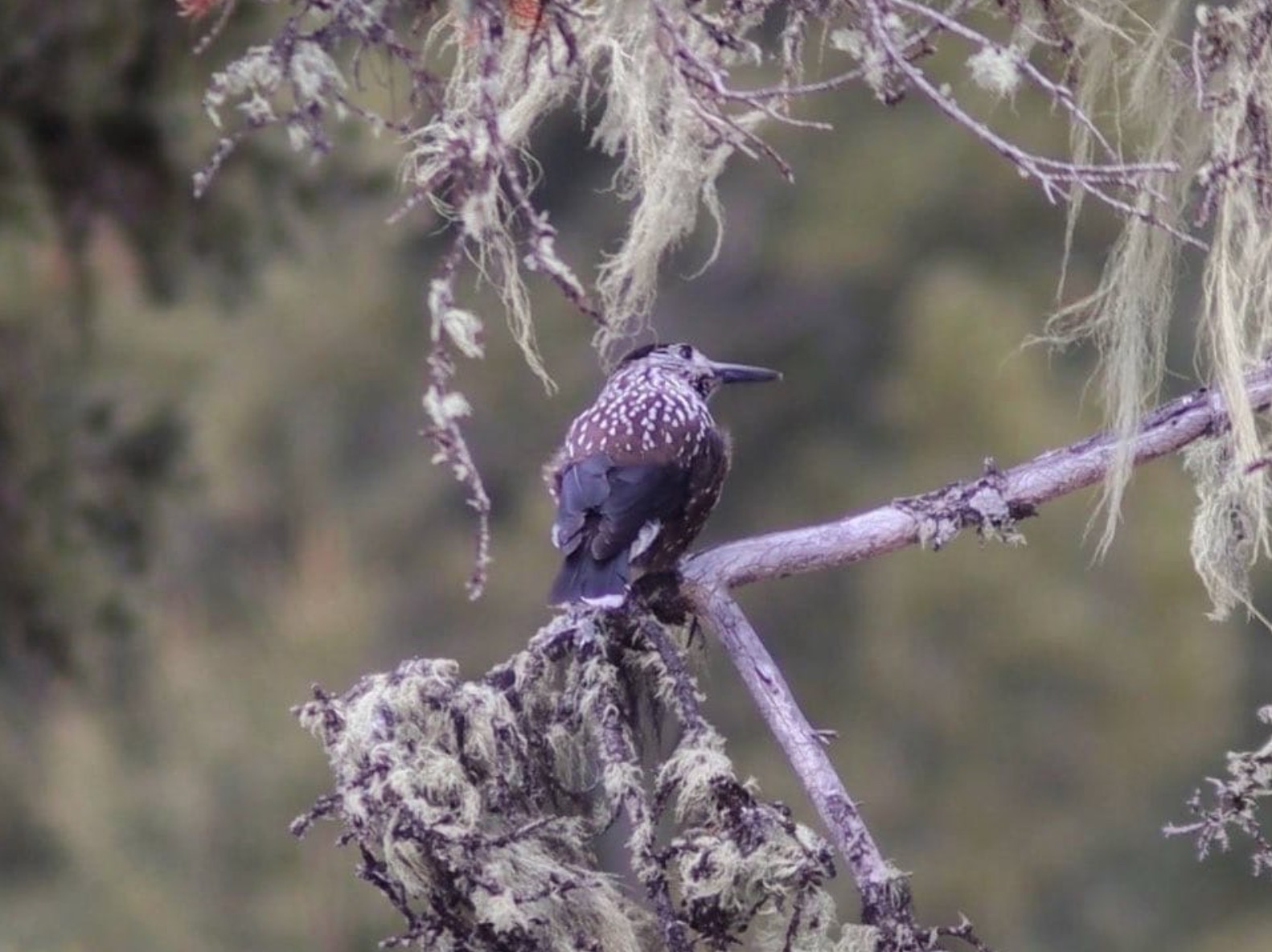
“At present, eight out of every ten Korean pines in Primorsky Krai have been logged; Korean pine–broadleaf forests have been virtually destroyed. Yet this was the tiger’s primary habitat: Korean pines fed every species, from chipmunks to wild boar, which are the predator’s main prey base. In practical terms, the tiger has nowhere to live.”
The following statement was also made at the same session:
“At the initiative of the legislative deputies and the Ministry of Forestry, the Federal Scientific Center for Biodiversity of the Far Eastern Branch of the Russian Academy of Sciences conducted a study of the tiger’s prey base. The conclusion is unequivocal: ‘The prey base in Primorsky Krai is inadequate for the tiger population. It simply has nothing to eat—and this is one of the reasons it enters populated areas.’”
Thus, the situation has been fully confirmed both by the government management system and by specialized experts.
At the same time, we are facing a catastrophic situation involving the destruction of oak forests. Oaks, like Korean pines, create and sustain entire ecosystems. Oak forests cover approximately 2 million hectares in the southern part of the Russian Far East. The trend is the same: their area has approximately halved over the course of about half a century, accompanied by systemic qualitative degradation.
Edificators, forest-forming trees, keystone species, or mother trees: these terms are not exact synonyms, but each captures and describes an aspect of the same thing—the element within a complex living system without which that system is doomed.
These are not simply Korean pines or oaks. They are specifically the old trees that have survived to this day, together with the viable part of the ecological community they sustain. If we lose them, we will lose everything! Therefore, at the very least, we can and must draw the maximum possible attention of both society and the government to the destruction of these trees.
I have examined the numerous studies and assessments available on oaks. A 2018 scientific paper titled “Condition of Tree Species and Regeneration of Oak Stands in the Forest-Steppe Zone” confirms the following:
“Over the past 50 years, oak dieback in the forest-steppe has reached catastrophic proportions and threatens the complete disappearance of the species.”
“At present, another wave of oak forest dieback is developing across almost the entire territory of European Russia.”
“In the foreseeable future, unless emergency measures are taken to intensively regenerate oak, it may disappear completely from the forest-steppe zone.”
The study was conducted by Doctor of Biological Sciences V. G. Storozhenko, a leading researcher at the Institute of Forest Science of the Russian Academy of Sciences, as well as other specialized experts. This is a highly significant study confirming the severe crisis caused by the loss of oak forests in Russia.
Public initiative
We have launched a long-term public initiative calling for a complete ban on the logging of cedar and oak trees in Russia. Join the effort: read the proposal, sign the initiative, and help spread the word.
Therefore, my fellow supporters, Russia urgently needs a complete ban on logging stone pines and oaks in natural forests. They must be placed under federal protection while there is still time. This position is fully supported by modern science and historical data.
We will pursue this goal through our projects and are launching an ongoing Public Initiative addressed to the Government of the Russian Federation, calling for a ban on logging stone pines and oaks. In a situation of scarce resources and mounting pressure, we must concentrate our remaining strength and capabilities specifically on preserving keystone species.
© PAVEL PASHKOV
Support the fight!
The hardest thing in our time is to remain independent from government and business! All activities are carried out independently. Stand with us and support our Mission to protect wildlife.
I want to support!Get involved
On an ongoing basis, we launch public initiatives together to protect wildlife and achieve real change. Join this work and help change the world for the better.
Explore the initiativesTFET Concept
We are working to transform the global protected-area system — Territories of Full Ecological Tranquility (TFET) must be created. Wildlife needs refuges from human pressure! This is one of the key paths out of the planetary ecological crisis and toward preventing further ecosystem collapse.
Learn more
