
Environmental problems have become a catastrophe and have entered the stage of a severe chronic crisis. The longer solutions are postponed, the more impossible they become. During this time, species will simply go extinct completely, protected refuges of wildlife will be destroyed, and our children will be deprived of the right to Life. The right to a future.
So, bee extinction is once again being recorded across the country. I have written about this before; the problem is not new, but it is worsening every year. Naturally, there are still no real systemic solutions or meaningful changes. Although, as of March 1, 2026, federal legislative amendments apparently even came into force, including digital notification tools; under the new rules, information about pesticide use must be communicated to beekeepers no later than 5 days in advance, indicating the timing, methods of treatment, hazard class of the substance, and recommended periods for isolating bees. Rosselkhoznadzor has also established that the “Beekeeper Portal” may be used as an official notification source.
In other words, you understood everything correctly: the systemic solution is to “lock up” bees while toxic chemicals are being used. As always, no one is thinking about wild bees, on which ecosystems and all of our agriculture depend. The legislative changes are aimed primarily at helping beekeepers, protecting business interests, but not wildlife.
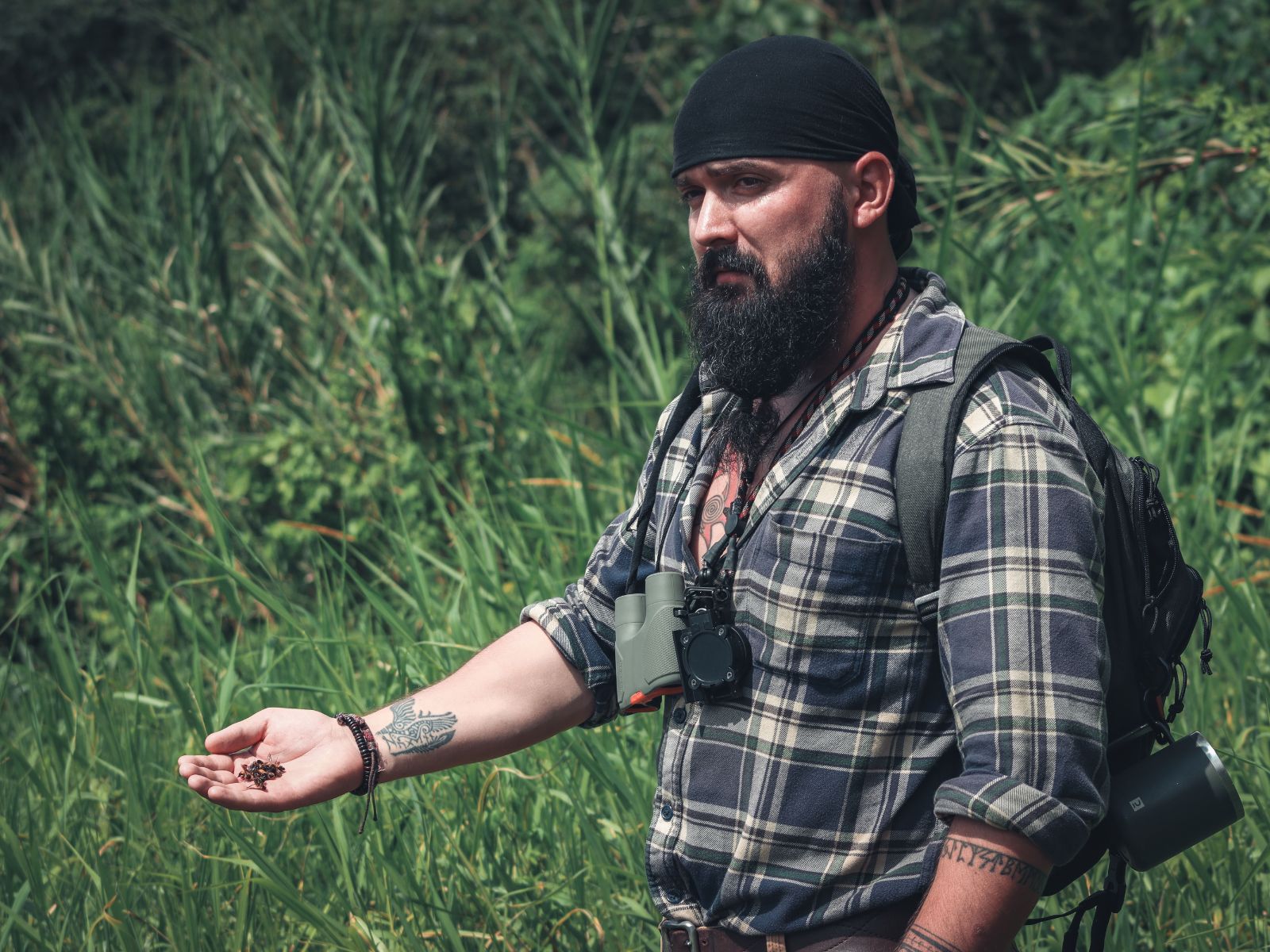
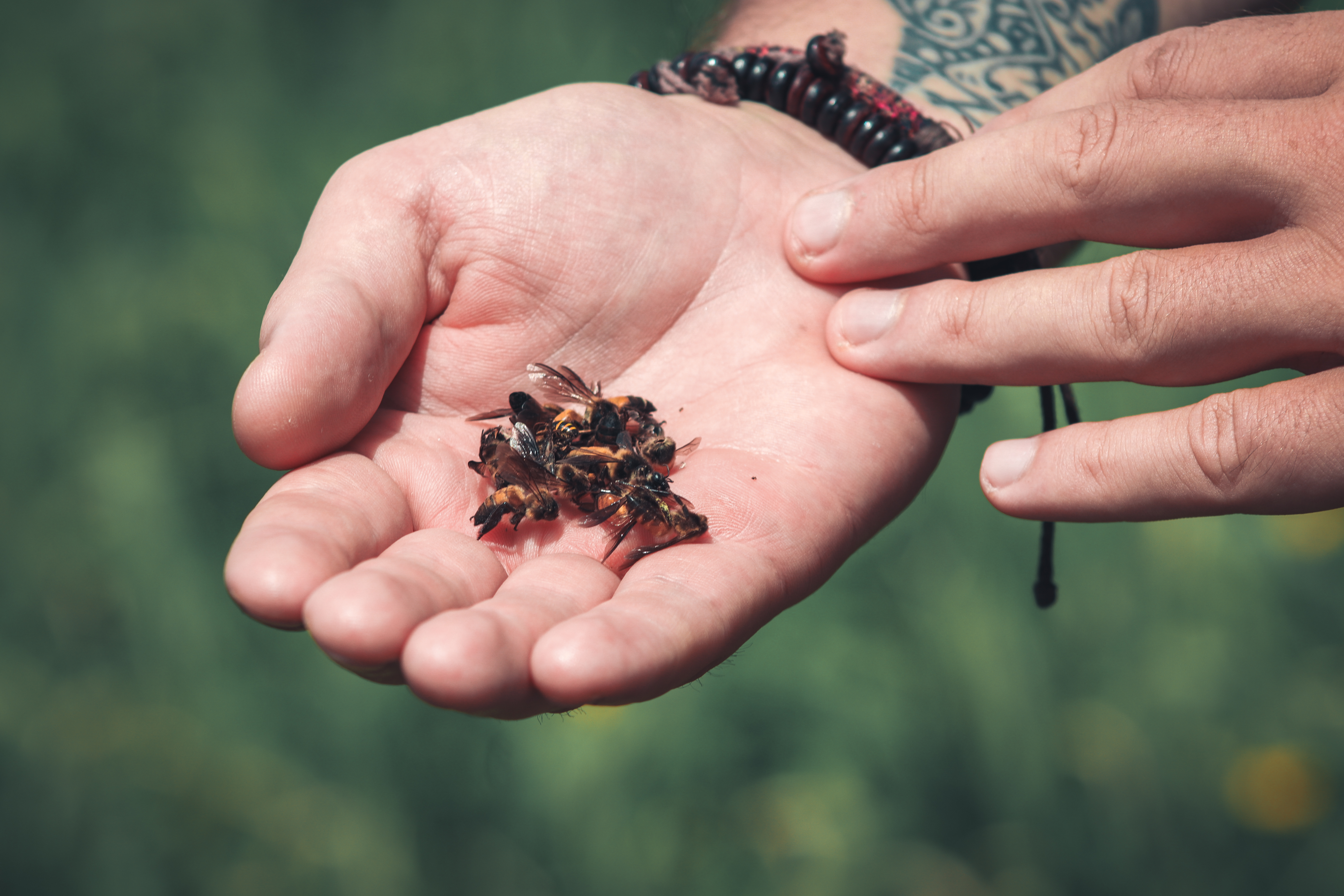
Unfortunately, beekeepers did not appreciate the innovations, because they saw no changes. Already in March–May 2026, alarm was raised in many regions of Russia at once. And while earlier people still did not understand why bees were dying, and even theories and speculation were built around this, now it is clear to everyone: bee extinction has been triggered by toxic chemicals with which agrarians generously treat their fields. This is also confirmed at the state level.
In Stavropol Krai, beekeepers even recorded an appeal to the President, saying that after rapeseed fields were treated with pesticides, bees died in 25 farms, and the damage exceeded 30 million rubles. During the governor’s live call-in session, a resident of Ipatovo reported that the mass die-off affected “almost all apiaries” and that there had been no warning about field treatment.
All of this is happening right now.
In addition to Stavropol, reports are also coming from other regions. In the Ryazhsky District of Ryazan Oblast, according to the local press, after a field of winter rapeseed was treated in the villages of Vvedenovka, Zhuravinka, and the village of Maryino, more than 180 bee colonies died; the region’s Minister of Agriculture publicly urged farmers to carry out treatments at night and to notify beekeepers in time. Again, as you can see, no one is thinking about wildlife. The discussion is only about protecting business and commercial interests.
What needs to be done?
We are working to reform the existing protected area system. It is necessary to unite millions of people and demand the creation of the Territories of Full Ecological Tranquility (TFET). Join the initiative, learn about the Concept, and sign the international petition.
In Oryol Oblast, the situation is the same: in spring 2026, at a regional round table, it was reported that over the previous year 16 apiary owners had officially reported bee poisoning; already in May, regional television reported the death of about a thousand bee colonies in Zalegoshchensky District. At the same time, Oryol experts warned of risks to the future apple harvest.

Alarming reports are coming from Omsk Oblast, our Siberia, where beekeepers publicly report the death of bee colonies after chemical treatments of fields. In late May, local authorities were already issuing emergency warnings to beekeepers about upcoming treatments and asking them not to place apiaries in the danger zone.
Pay attention, allies: there is a reaction, official confirmations too, the authorities are even responding. There are legislative changes, stricter rules, digital systems notifying beekeepers. But I will repeat my question again and again: what about wildlife? What about wild bees, which are dying out in exactly the same way right now? Does no one care?
Kursk Oblast is similar: lawsuits by beekeepers for tens of millions of rubles over mass bee deaths have entered the public sphere there, and in Timsky District the authorities created a permanent commission for such cases — meaning the problem has become institutionally chronic.
Should I repeat my question? Why are business interests being placed above the preservation of our own living environment?
“We poisoned and will continue to poison,” is that it?
I do not in any way want to say that apiaries do not need to be saved from this madness, but it is precisely they that are the INDICATOR OF A GLOBAL PROBLEM. If it were not for the death of bees in apiaries, no one would even be talking about the problem; little bees would continue dying in the wild, remaining invisible to “big civilization.”
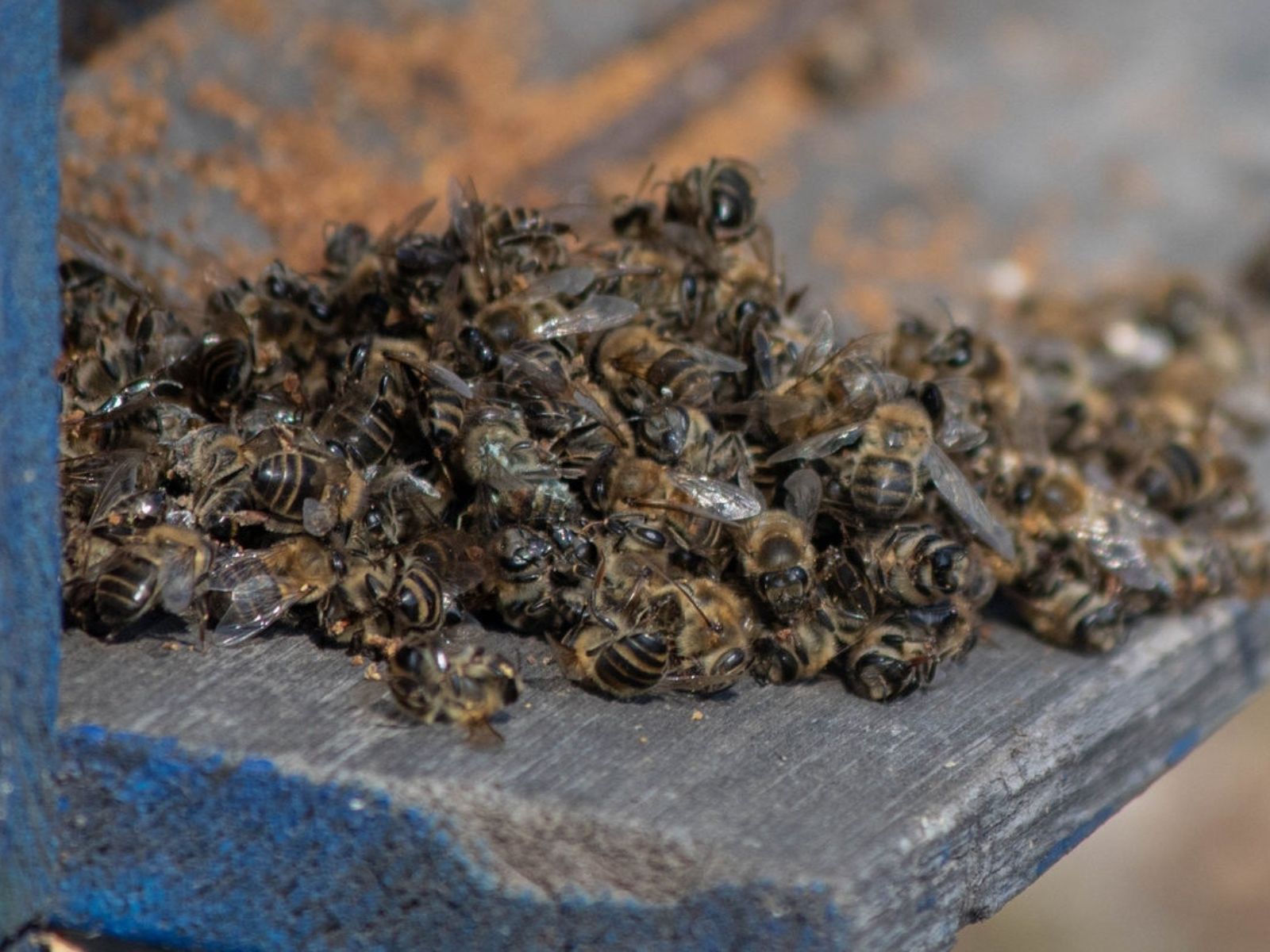
And now beekeepers will be notified so that they lock up bees while toxic chemicals are being used. If the system is brought to automation, business will be saved, honey will not be lost, and people will be able to continue earning money from its sale. But the problem of GLOBAL ECOCIDE IN WILDLIFE WILL REMAIN UNRESOLVED.
I will continue by region. In Voronezh Oblast, in spring 2026, a court recovered about 3 million rubles from an agricultural company in favor of a beekeeper whose almost all bee colonies died within a few days in the summer of 2025; laboratory tests linked the deaths to pesticides. As you can see, this concerns last year’s catastrophe; there are precedents, and that is certainly good.
But!
The agrarian who paid the fine will, under the new system, warn about the use of toxic chemicals, and there WILL BE NO further responsibility. I am again talking about wildlife, which is completely ignored, just as our own living environment is ignored. If you think we are not connected to the surrounding world, you are deeply mistaken! Cities and highways will not save anyone: we ourselves will eat products from poisoned fields, while the extinction of wild bees will disrupt agricultural pollination and force people to use even more poisons. Thus, the circle of ecocide will close, and nothing will ever change!
In Rostov Oblast, for example, this spring the consequences of past catastrophes were summed up: according to March data, the number of registered beekeeping farms fell by 9% in just one year. Businesses are closing because they see no way to continue working and understand that the systemic problem has still not been solved.
This is the problem, allies, and it is happening right now.
This has been going on for many years in a row; since 2020, a severe die-off of bees has begun across the country and around the world. We adopted a federal law on beekeeping, and in December 2025 a new law was signed clarifying the procedure for preventing the negative impact of pesticides on bees; it came into force on March 1, 2026. Rosselkhoznadzor and its subordinate structures brought the “Beekeeper Portal,” an interactive treatment map, into the public sphere; it was supposed to become an official notification channel.
The system seems to be moving; many began discussing positive changes. But now we see two problems:
These measures are aimed at protecting business, but even that is not working: beekeepers are complaining about bee extinction across the country. The problem is not being solved; there is simply more bureaucracy and more regulations.
- Wildlife continues to die out. In essence, all solutions come down only to this: “lock up the bees while we poison everything living around us.” And this is a colossal omission.
I came across the 2026 anniversary collection of the Federal Scientific Center for Beekeeping; it presents data showing that by 2024 the number of all bee colonies in the country had declined by more than 25% — from 3.4 million to 2.5 million. The authors link this to a combination of parasites, agrochemicals, loss of natural habitat, climate change, and genetic uniformity. These data are also confirmed by Rosstat and have been widely circulated by major media outlets and specialized biologists.
But even these data are very approximate. In other words, they are more like a convenient official report, when the catastrophe can no longer be hidden, but some data must be provided. Because, according to the same Federal Scientific Center for Beekeeping, more than 90% of bee colonies in Russia were kept in private household farms, which means that regularly obtaining reliable data is difficult. Or completely unrealistic.
And this is what I base my conclusions on: in the summer of 2024, the chairman of the Russian Beekeepers’ Union told Business FM that after wintering, approximately 50% of bee colonies had died in apiaries — about 1.5 million out of 3 million. One may say these are the things that experts themselves see “on the ground,” in field conditions, constantly keeping their finger on the pulse.
It is not only the “honey” part of the sector that is shrinking, but the country’s pollination resource itself. Russian agricultural estimates have long indicated that for full pollination of entomophilous crops, the country needs about 7 million bee colonies — roughly twice as many as actually exist in official statistics; in Oryol Oblast, for example, full pollination requires 120–150 thousand bee colonies, while only about 15.6 thousand are officially registered.
Again, I am talking about estimates for bee colonies in apiaries, but what about wildlife? Is anyone going to save it? Or are we going to silently watch everything living around us die out while we lock bees in hives to preserve business and ignore the global catastrophe?
According to global scientists, about 75% of the world’s food crops and almost 90% of wild flowering plants depend at least partially on animal pollination. In the agricultural sphere, experts directly link wild ecosystems to food security — if pollinators die out, the issue will not be “oh, we have no honey to sell,” but that there will be no seeds, fruits, vegetables, oilseed, berry, and fodder crops. Everything will perish.
I recently came across a fresh paper in Nature, published in May 2026. Based on small farms in Nepal, researchers showed that insect pollinators provided 44% of crop income and more than 20% of vitamin A, vitamin E, and folate intake in the diet.
The correlation is direct: the number of pollinators declines, and as a result, yields, income, and the quality of human nutrition decline. And what seems like merely “something biological far from humans” becomes an agricultural problem, then grows into a medical and social problem. And while people die from cancer, severe chronic diseases, and the consumption of poor-quality products from poisoned fields, the chain of catastrophe will go deep into ecosystems. If animal pollination supports almost 90% of wild flowering plants, then the decline in bee numbers means poorer seed regeneration, fewer fruits and seeds for birds and mammals, and changes in the composition of meadows, forest edges, and so on. In other words, critical ecological degradation striking all biocenoses.
I will put it simply: bee extinction will lead to disease, global hunger in wildlife, and species extinction. Ecosystems will degrade. And while our own living environment is being destroyed, we will eat poor, poisoned products, taking away from our children the right to Life. And agrarians will have to import more and more toxic chemicals, tightening the noose ever more firmly around the very foundation of life in the Earth’s Biosphere.
I ask everyone to spread this material as widely as possible.
As for us, I have a proposal. Perhaps we should try to study the problem comprehensively, formulate specific proposals for the state, and launch a “Bee Protection Program” within the framework of our projects? To try to push through systemic changes through our people in the Government and a mass public campaign?
We will need strength. But I think we can try.
© PAVEL PASHKOV
Support the fight!
The hardest thing in our time is to remain independent from government and business! All activities are carried out independently. Stand with us and support our Mission to protect wildlife.
I want to support!Get involved
On an ongoing basis, we launch public initiatives together to protect wildlife and achieve real change. Join this work and help change the world for the better.
Explore the initiativesTFET Concept
We are working to transform the global protected-area system — Territories of Full Ecological Tranquility (TFET) must be created. Wildlife needs refuges from human pressure! This is one of the key paths out of the planetary ecological crisis and toward preventing further ecosystem collapse.
Learn more
