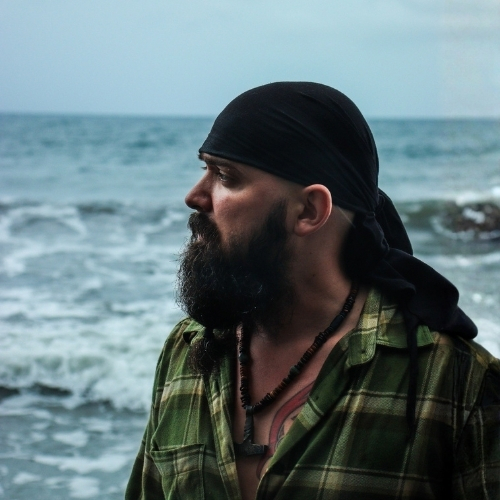
For the next three years, I need to remain on the road in order to study the existing protected-area system across different parts of the Earth and try, through my own efforts, to define the boundaries of the future Territories of Full Ecological Tranquility (TFET). In reality, this is work of planetary importance, but it is deeply regrettable that efforts of this kind generally interest very few people. Governments are steadily pursuing a course toward exploiting the remaining areas of wild nature and appropriating protected lands, while society is overwhelmed by social and political conflicts.
And yet we must think about the future. How can we propose changes to the protected-area system without direct personal contact and research? If we have not seen how people live, how the social life of communities is connected with local fragments of ecosystems that are still alive, and whether it is even possible to create Territories of Full Ecological Tranquility in particular regions?
This is what my work is now focused on. It will not be possible to accomplish much through my own efforts alone — there is neither a scientific base nor funding. But we can certainly determine the approximate boundaries of the future protected-area system, prepare project proposals for governments, and then actively work to change the approach to protecting wild nature throughout the world.
At the core of our project and our research today lies a simple truth: amid the planetary crisis and the ongoing mass extinction of species, wild nature needs refuges from humanity. But the creation of these refuges must not become a prison for nature, a collection of isolated fragments. It must be a network that protects migration routes and the movement of substances, connected into a single conglomerate of absolute nature protection.
Therefore, it is now important for my expeditions to identify the key territories in the world that may become centres of future TFET zones. In science, such areas are called refugia — local refuges for species that historically enabled them to survive climatic catastrophes and served as centres for the self-restoration of biological systems.
Since I was born and raised in the Altai Mountains, many years ago, during the early formation of our nature protection projects, I developed the idea of creating a project called “Greater Altai”, which I planned to propose to the government. The idea was that the relatively undisturbed ecosystems stretching from the Sayan Mountains through the Altai Republic and to the mountain ranges of Altai Krai needed to be linked into a single protected network. However, at that time, my understanding of how this should function was incomplete because I lacked the necessary knowledge and experience.
Now, however, I understand that there is also a need to include the mountain ranges of the Tien Shan, which extend across Central Asia. In general, different TFET zones need to be created here, but they should be connected into one vast natural conglomerate.
In other words, look: it seems to me that the most logical and well-founded model would be to create a single TFET macroregion consisting of several independent Territories of Full Ecological Tranquility linked by ecological corridors. At the same time, this system should operate under a future protected-area union between Russia and neighbouring countries whose territories need to be included in the TFET framework.
Later, once I have worked out the model of the protected-area union between states, I will propose specific territories. For now, this requires careful study, and I will most likely be able to return to this work only in several months. Together, we will not only collect the necessary data and conduct our own research, but also create an international interactive map of the future protected-area system.
At present, my expeditionary and research work is only beginning — right now, here. I need to broaden the horizons of my own knowledge, see how people live, and understand how nature protection is implemented — and whether it is implemented at all — within systems of public administration in different regions of the world.

All the data I am studying from biogeography, palaeoclimatology, hydrology, and ecology converge on a single conclusion: the Tien Shan and the neighbouring mountain systems of Central Asia have historically functioned as refugia for wild nature. Moreover, it was from here that organisms historically dispersed across foothills, basins, and plains after catastrophic events. In other words, the mountain ranges of the Tien Shan historically served as centres for the self-restoration of biological systems, and it is precisely these areas that must be placed under absolute protection in the era of the most dangerous geological phenomenon — Human activity.
The most valuable resource for everyone today is clean water. The mountain arc of the Tien Shan functions as a natural “water tower” for the entire Central Asian region. It is in the high mountains that snow and glacial runoff feeds rivers, replenishes groundwater, and forms a significant share of the total water flow. This means that if people continue to destroy mountain ecosystems, engage in chaotic afforestation on dry slopes, and extract water from headwaters, the resulting damage will strike at the self-restoration mechanism of the entire biosphere of Central Asia.
The scale is enormous, is it not?
It is fortunate that a great deal of scientific research has previously been conducted here and that we now have a foundation for our work. Scientists around the world clearly regard the mountains of Central Asia as an underestimated global centre of biological diversity. In the Tien Shan, for example, this is characterised by a combination of pronounced altitudinal zonation, humid western sectors, sheltered gorges, and different climatic regimes. The climatic regimes are especially interesting: they form a kind of “temperature mosaic” that can provide refuges for numerous species over long periods during times of catastrophe. In simple terms, look: when the plains become too dry because of water shortages, when sudden cooling begins, or when other problems arise, a network of microclimates and refuges for species remains in the mountains.
To gain a deeper understanding of how these mechanisms function in the ecosystems of the Tien Shan, I needed additional research. Reviews would not be sufficient; this had to be actual fieldwork. I obtained a scientific paper titled “Spatial patterns of species diversity and phylogenetic structure of plant communities in the Tianshan Mountains, arid Central Asia”, published in December 2017. The data are sufficiently recent — exactly what was needed.
The authors conducted fieldwork along the boundary between herbaceous and woody-shrub communities in the Tien Shan and compared “refugial” and “colonising” regions. They were not attempting to design a nature protection system, but their findings provide a fundamental basis for such work. In our case, this means that while developing the TFET framework, we will be able to rely on real scientific assessments and evidence.
First, the study shows that regions that survived the glacial periods retain significantly greater species diversity than territories colonised later. In the Tien Shan, the specifically studied region included the Ili Valley and the Western Tien Shan: it is here that the number of species was statistically higher.
This is exactly what we need. It proves that the boundaries of future TFET zones cannot be drawn solely around existing protected areas. First, we need to identify ancient refugia, climatic refuges, and territories where nature has survived climatic changes for thousands of years. These areas must then become the cores of future TFET zones.
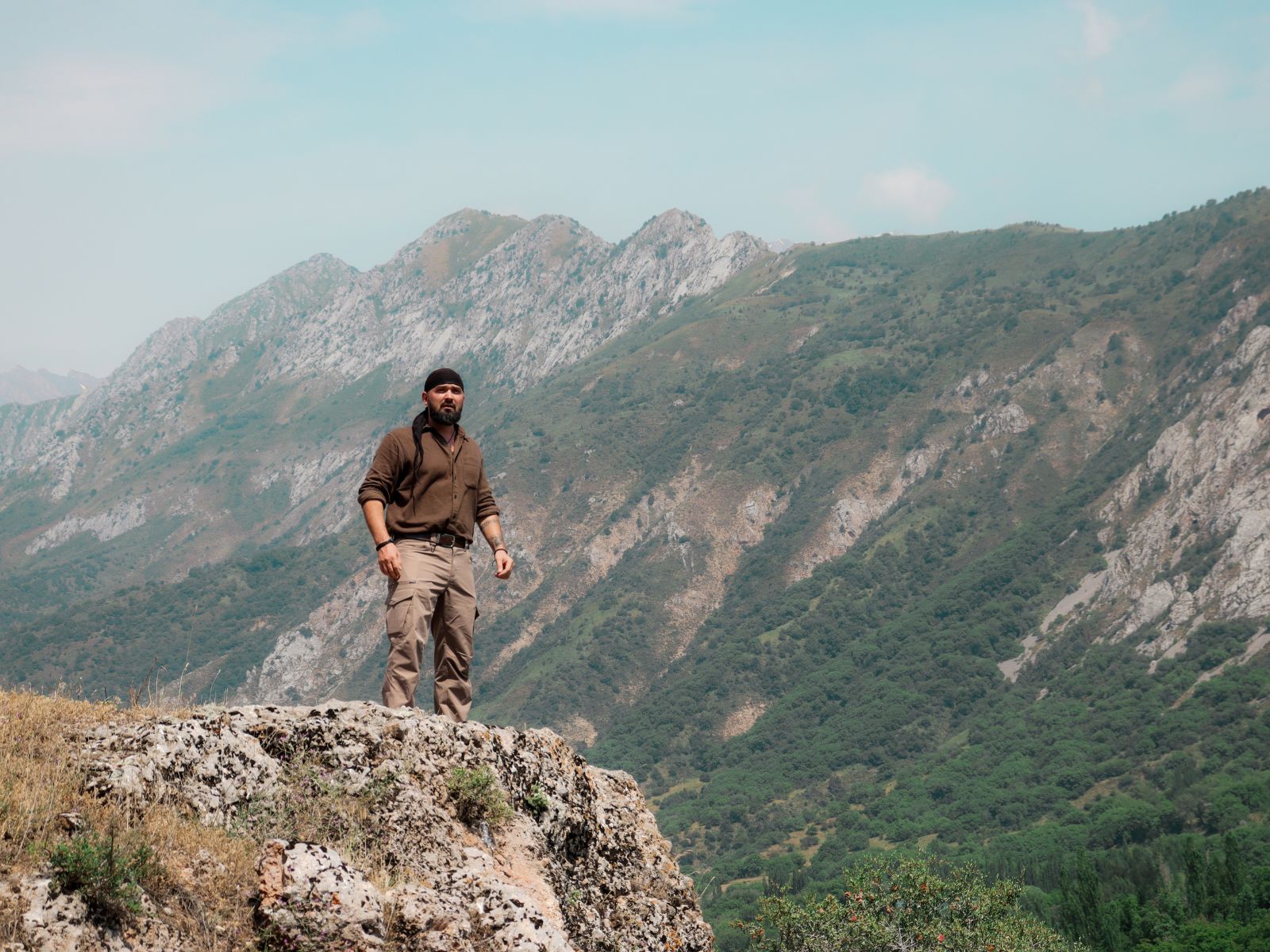
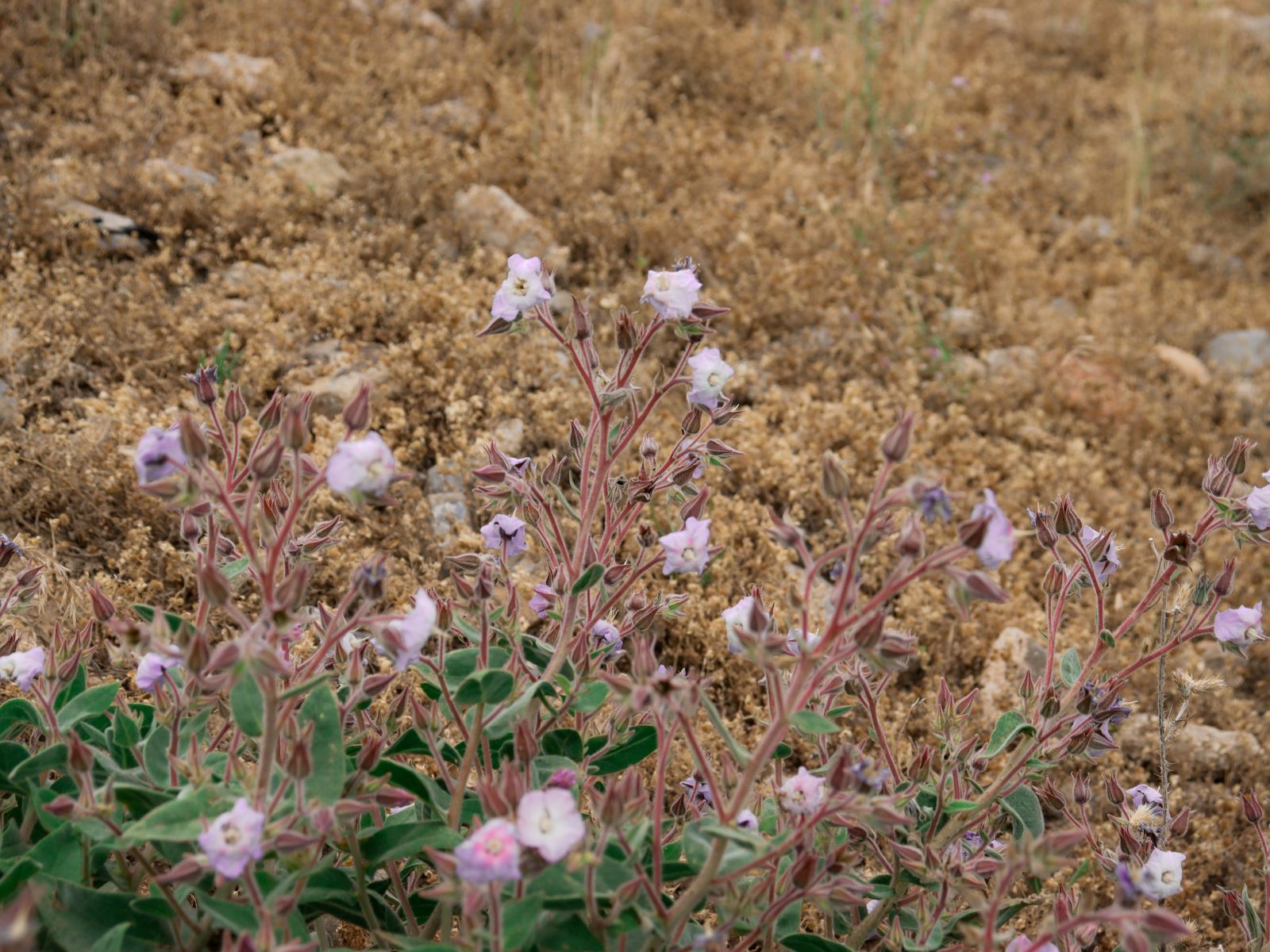
Second, the authors repeatedly emphasise one idea: refugia preserved biodiversity precisely because they were stable habitats that endured catastrophic events. The system remained stable for thousands of years. This corresponds with the central philosophy of our TFET concept and its objective of preserving long-term ecological stability rather than merely protecting individual species.
And third, the scientists’ paper contains the conclusion that is most important for us: after the glacial periods, plants did not spread randomly but migrated along the Tien Shan mountain system. In other words, the mountain belt itself functioned as a single migration corridor.
I will quote the study directly in English: “major plant lineages migrated from the refugial regions to the colonizing regions along the corridor of the Tianshan Mountains”, in order to convey the authors’ idea word for word.
Interestingly, the scientists also use the concept of a “Montane Museum” when discussing the Western Tien Shan. They explicitly indicate that mountain refugia function as a kind of museum of evolution. They preserve ancient biological diversity, and after global catastrophes, when species had been destroyed in all other territories, it was from these refugia that self-restoration began.
For the TFET concept, this is an EXTREMELY powerful argument that we must use in our work. Territories of Full Ecological Tranquility must be created not only to protect modern biodiversity, but also to safeguard the evolutionary memory of the biosphere — its genetic and physiological heritage.
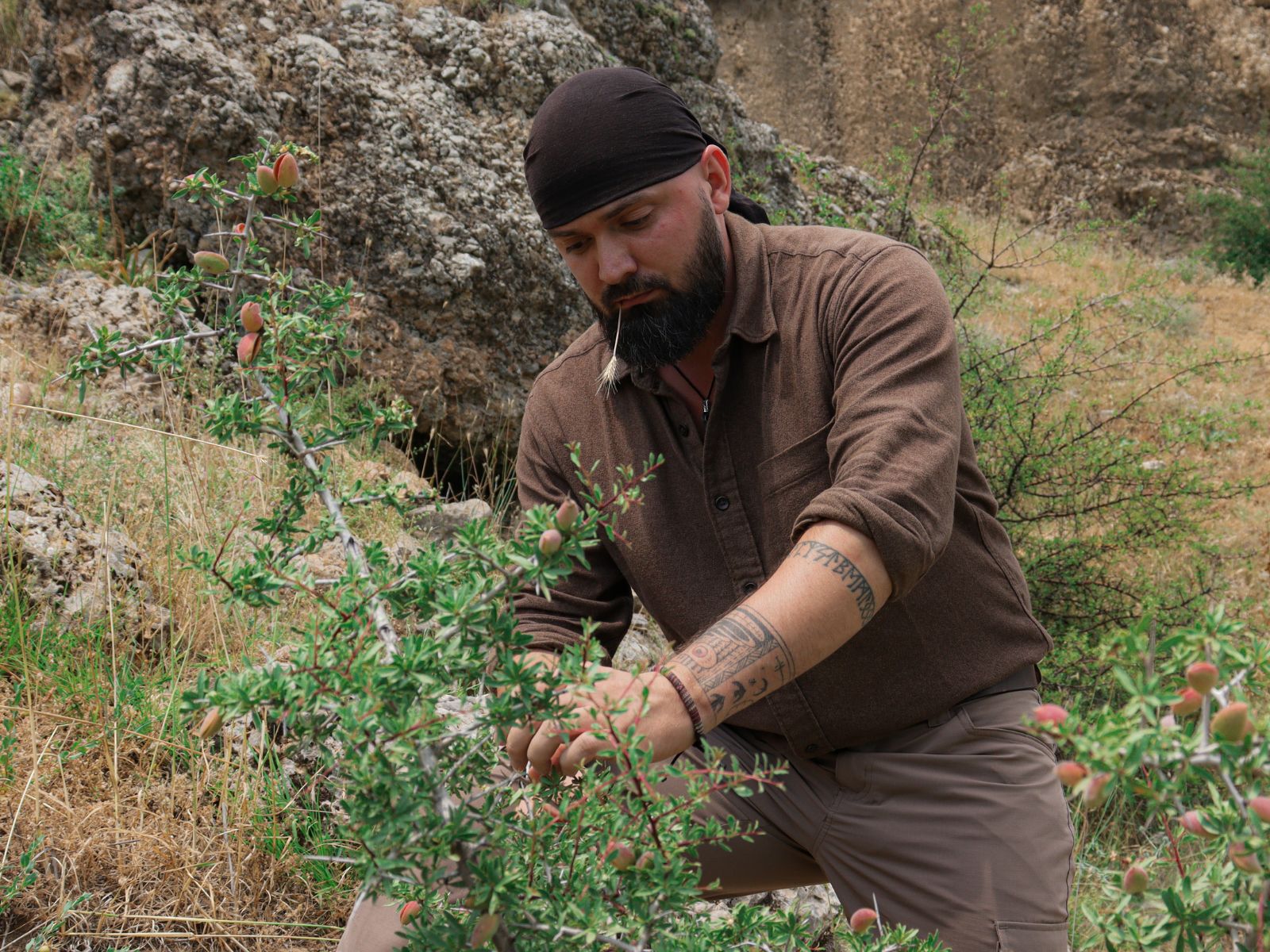
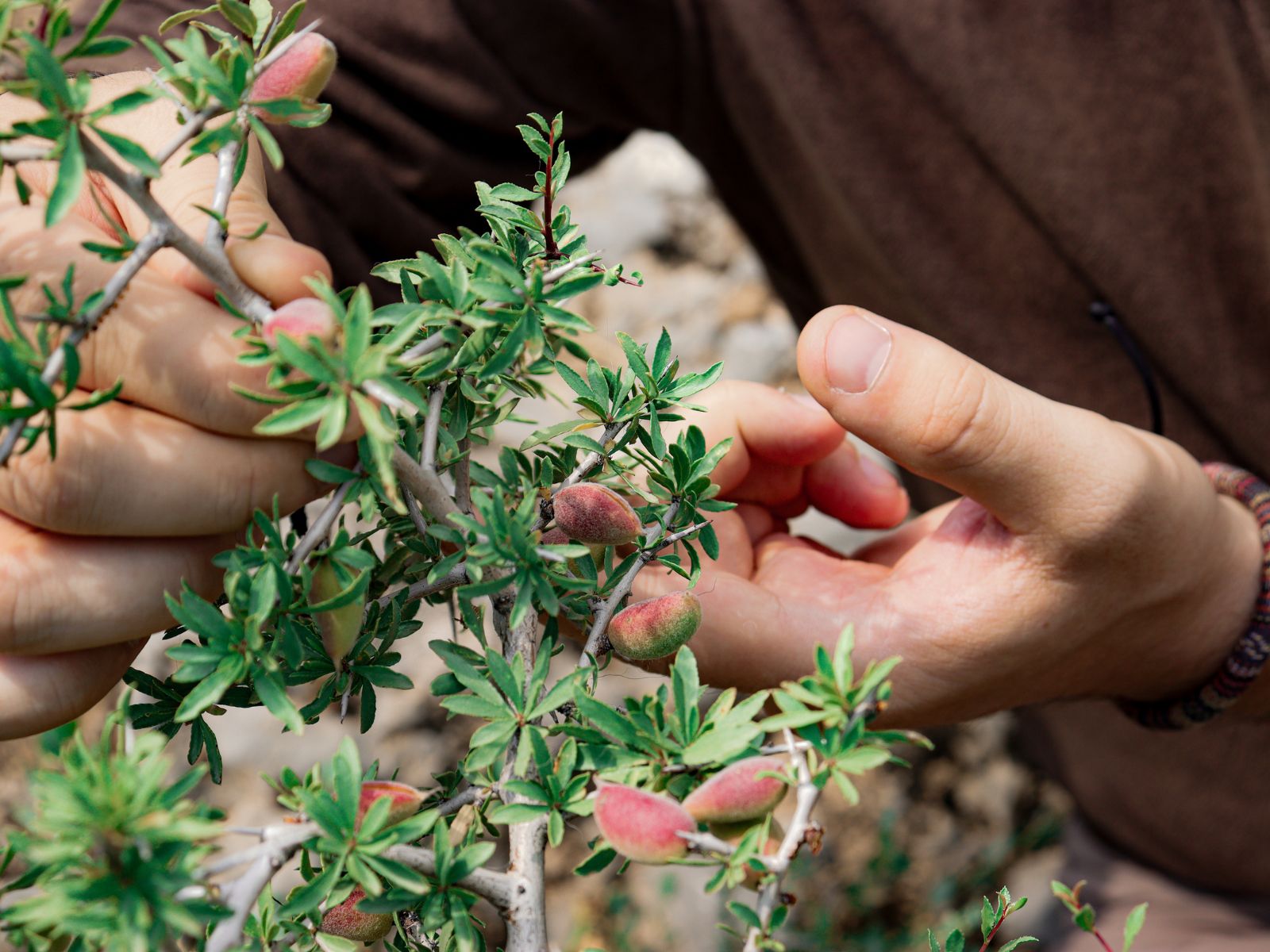

For now, these are my observations, comrades. The Western and Central Tien Shan, the Ili Valley, the areas surrounding the Junggar Basin, and the mid-mountain gorges have repeatedly functioned throughout their history as local refuges. After catastrophic events, recolonisation occurred along the mountain chains and foothill corridors. Consequently, the mountains of Central Asia represent a historical centre for the self-restoration of biological systems.
At present, I am studying all of these matters personally, and we will assemble everything into a unified picture to justify the need to create TFET zones. I want to carry out part of the work in the local mountains, but only partially at this first stage. This is because I must first visit other regions of the world, collect the data needed to build the foundation for our future work, and only then begin targeted work on the boundaries of TFET zones within the regions themselves.
Our task is to observe directly in the field where ecosystem stability ends and anthropogenic influence begins — where human pressure on nature starts. In general, this is probably the most important thing for us: no map can replace personal research if we want to draw the boundary between the natural core and the zone of human pressure.
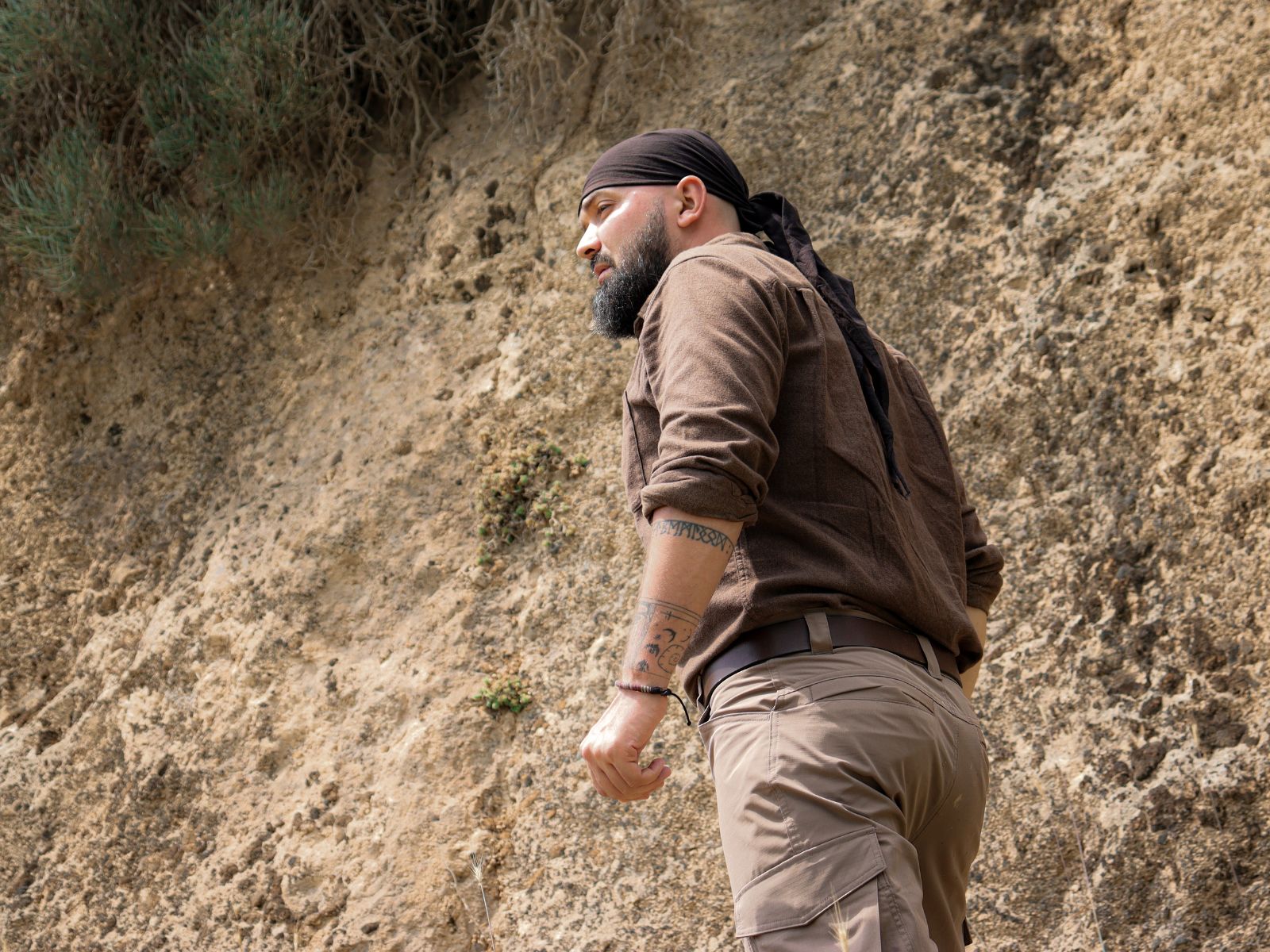
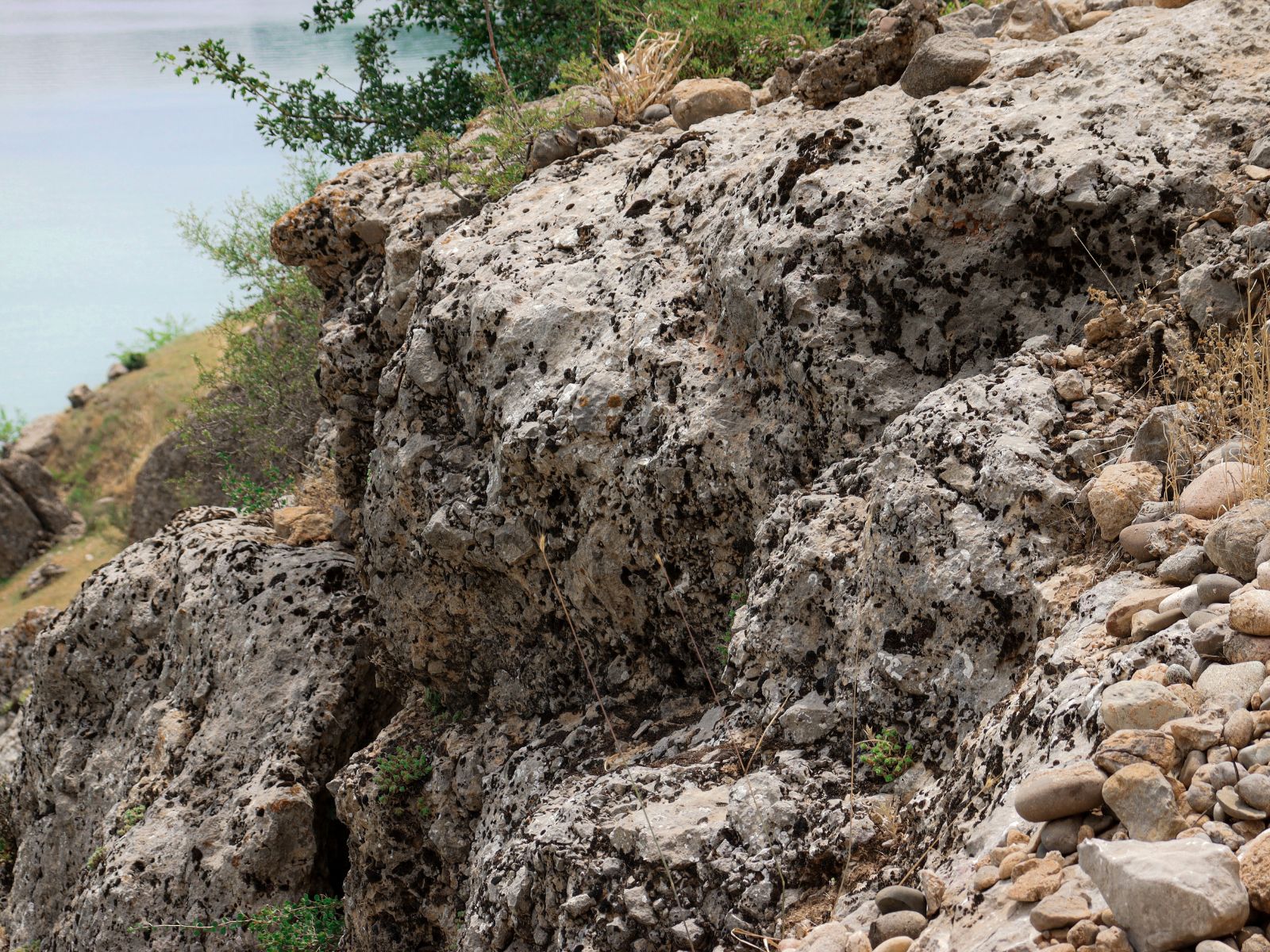
This work includes observing where natural vegetation ends and where pastures, roads, logging sites, construction projects, and other forms of development begin. How sharply does the landscape change? Is there any buffer zone here at all? Does the natural landscape continue into areas where large numbers of people already live?
A map may show a line, for example an administrative district boundary, but in practice the boundary of the core of a future Territory of Full Ecological Tranquility (TFET) may need to be extended beyond it. This reality cannot be ignored.
We also need to understand the connectivity between protected areas and how individual natural territories can be brought together into a single system. Accordingly, we need to document forest links between larger natural areas, mountain valleys, river gorges, and transitions between altitudinal zones. It is especially important to identify the areas through which animals can move, as well as, of course, the roads, fences, quarries, and settlements that break this connectivity.
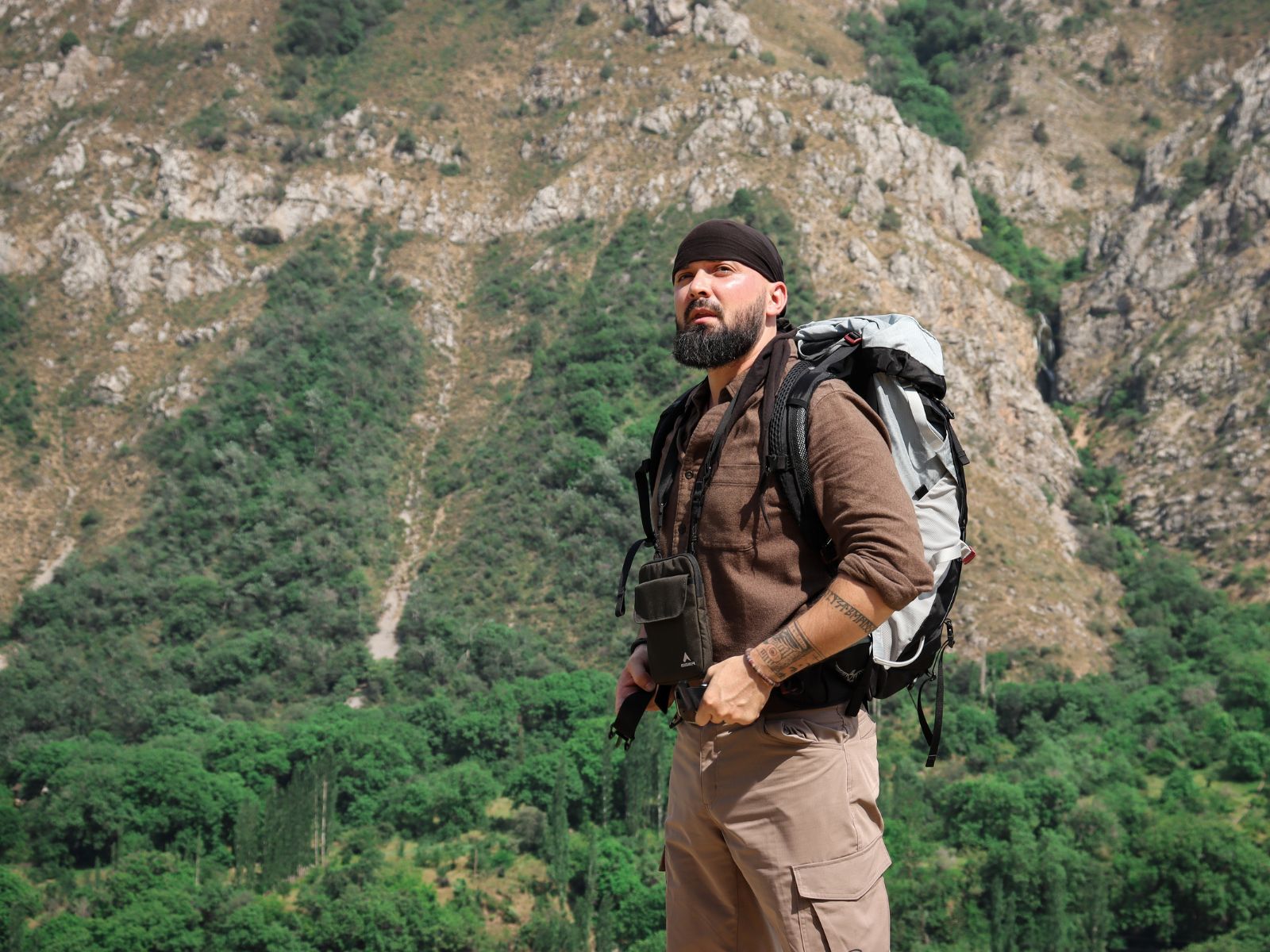
I will repeat: there are many things that we will not be able to accomplish alone and without funding. But we are certainly capable of laying the foundation, identifying the approximate boundaries of the future protected-area system, preparing project proposals for governments, and uniting people around our Mission.
The expeditions have only just begun. I remind you that for the next three years I will live as a nomad on the distant frontiers of the Earth. Together, we carry on our shoulders a Mission of planetary importance — the struggle for Life.
And what seems unimportant to everyone today will tomorrow become the foundation of humanity’s very existence on Earth.
© PAVEL PASHKOV
Support the fight!
The hardest thing in our time is to remain independent from government and business! All activities are carried out independently. Stand with us and support our Mission to protect wildlife.
I want to support!Get involved
On an ongoing basis, we launch public initiatives together to protect wildlife and achieve real change. Join this work and help change the world for the better.
Explore the initiativesTFET Concept
We are working to transform the global protected-area system — Territories of Full Ecological Tranquility (TFET) must be created. Wildlife needs refuges from human pressure! This is one of the key paths out of the planetary ecological crisis and toward preventing further ecosystem collapse.
Learn moreShare this material!


