
We constantly hear that there are too many animals and they need to be urgently culled. Influential trophy hunters, armed to the teeth, venture into the wild in search of the strongest and most beautiful animals just to shoot at “living targets.” Governments legalize the exploitation of the last protected areas amid the cries of multinational corporations: “Give us the wildlife sanctuaries.” Then the displaced animals approach humans, leading to outcries about a sudden population increase, and the cycle repeats—more quotas for killing, more people eager to claim a trophy.
This is a simplification. It doesn't include industrial agriculture, deforestation, river pollution by gold miners who, in our country alone, have poisoned tens of thousands of kilometers of Siberian and Far Eastern rivers in recent years. And it excludes the vast number of other issues—the large-scale destruction of living nature by human hands.
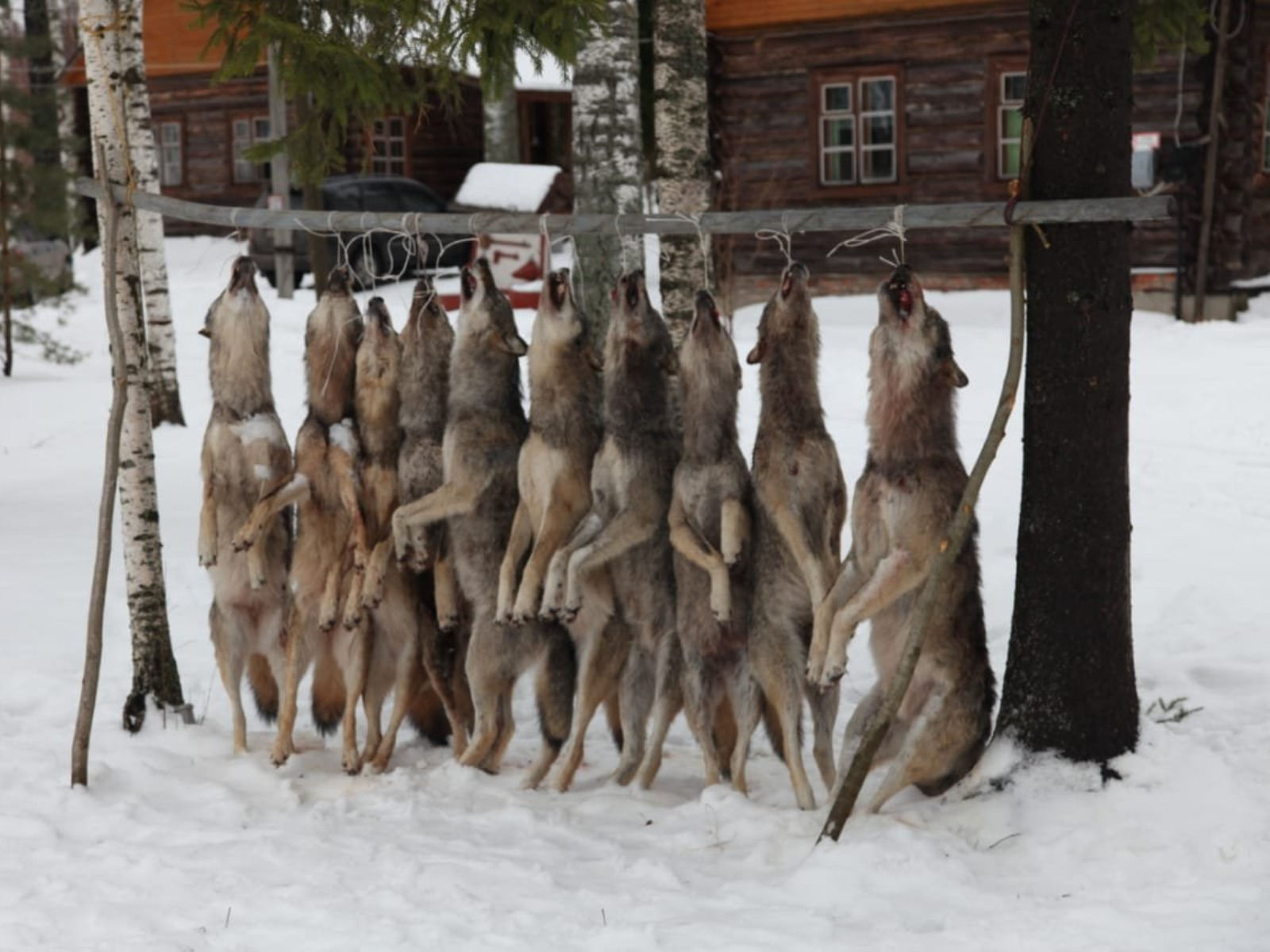
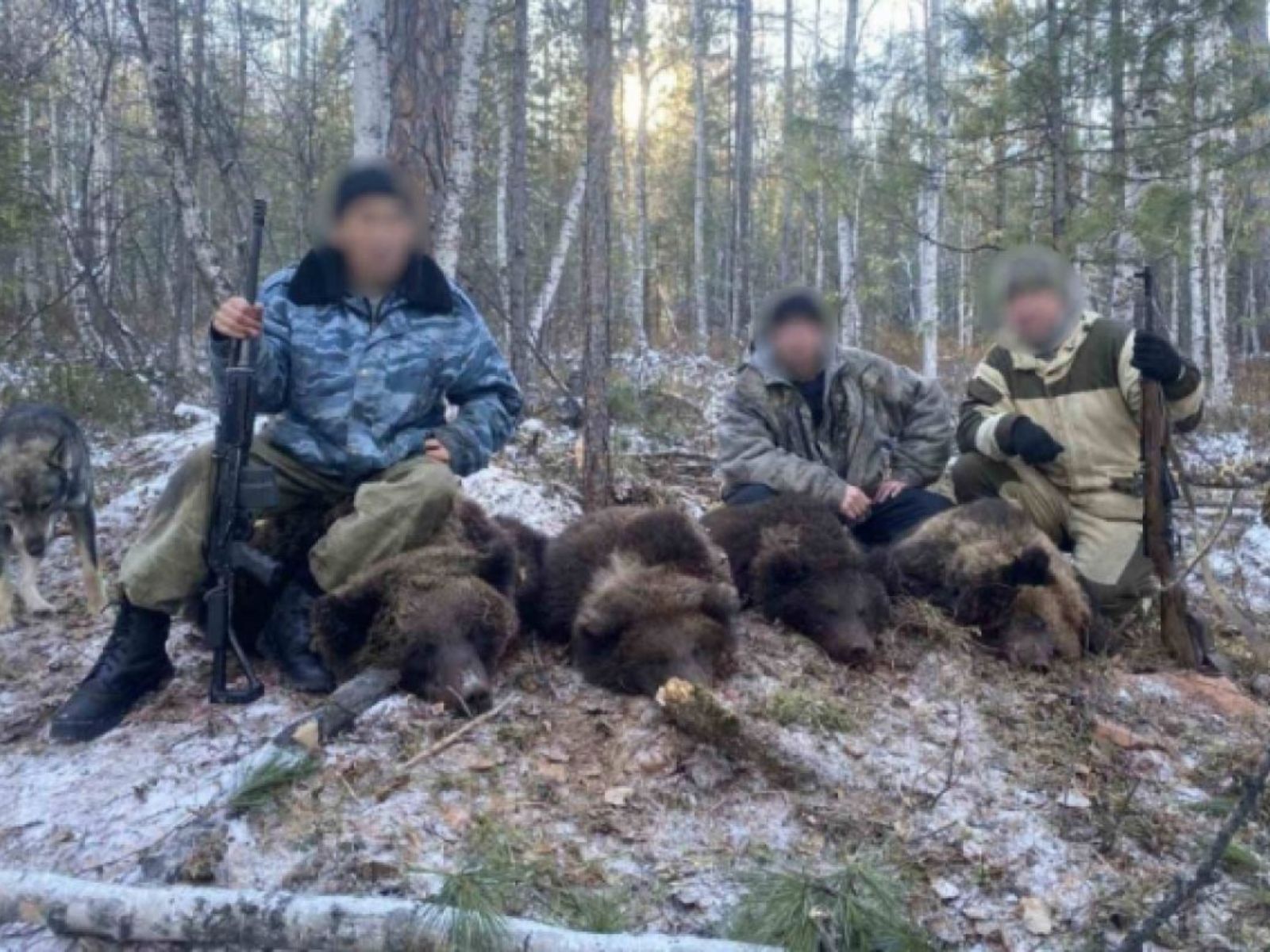
So why the celebration of life? Why have management systems suddenly decided that there are so many animals that they no longer fit in the wild? When scientific data shows the exact opposite.
IN THE LAST 50 YEARS, THE AVERAGE POPULATION OF STUDIED WILD VERTEBRATES HAS DECLINED BY 73%
These are completely real scientific assessments by global scientists. Moreover, this is a large-scale study involving leading scientists from around the world!
So, on October 7, 2026, an updated study with new data was published. From 1970 to 2022, in just the last 52 years, which is an absolute blink of an eye in terms of time, the population of vertebrate animals has decreased by 73%.
Soon there will be nothing left to protect! That's it. We have only about 27% of those who could still be saved. Calculate how much time it will take, considering the rate at which animals have been destroyed in recent decades.
How much time is left? Ten years? Twenty?
The study was conducted through scientific monitoring of 5,790 species of wild vertebrate animals, covering 35,803 population time series. This is a high-quality global meta-study that indicates humanity has triggered an absolute anomaly—an ecological collapse on a planetary scale.
Such a rate of species decline on Earth did not even occur during early mass extinctions. Back then, species had time to adapt because it all lasted a very long time—this is important to understand.
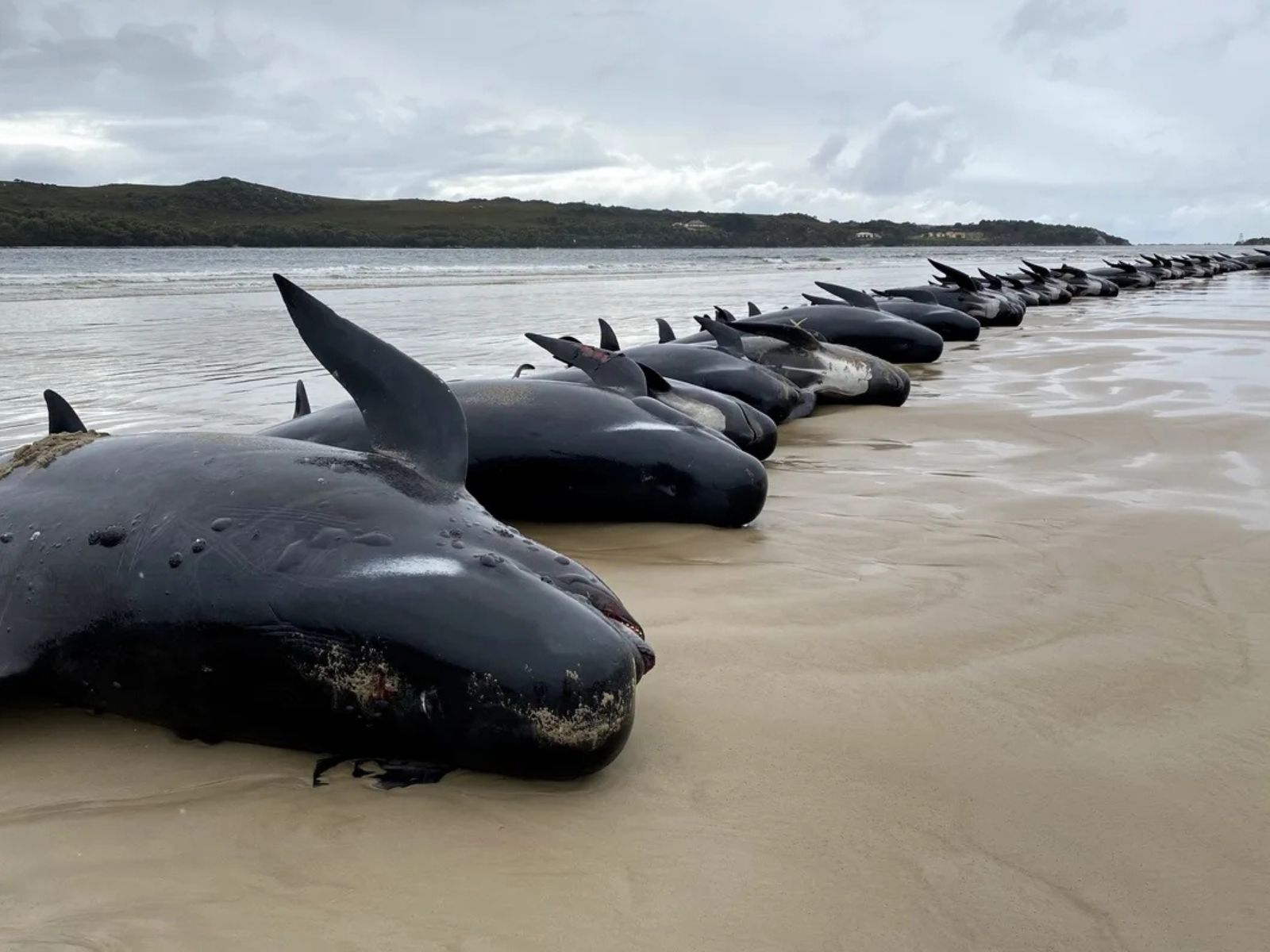
For example, the Ordovician extinction 444 million years ago lasted 1.9–3.3 million years. The Devonian (359 million years ago) lasted 2–29 million years. The Permian (252 million years ago) lasted about 60 thousand years. And so on.
And we have triggered species extinction on the planet at such a furious pace that we have become an absolute anomaly in Earth's history.
And now scientists confirm: the world is on the brink of collapse, with vertebrate populations having decreased by an average of 73%.
The most significant declines in animal species occurred in freshwater ecosystems, where a decrease of 85% was recorded, in terrestrial ecosystems—minus 69%, and in marine ecosystems—minus 59%. This means we are not only wiping out animals on land but across the entire biosphere of the planet.
From country to country, the figures in scientific work also differ. For instance, in Latin America and the Caribbean, the population has decreased by an abnormal 95%. In Africa, by the way, as I have mentioned in my previous materials, nature was historically cleared of animals, and trophy hunters from around the world came to kill the 'big five' large species — the population decreased by 80%.
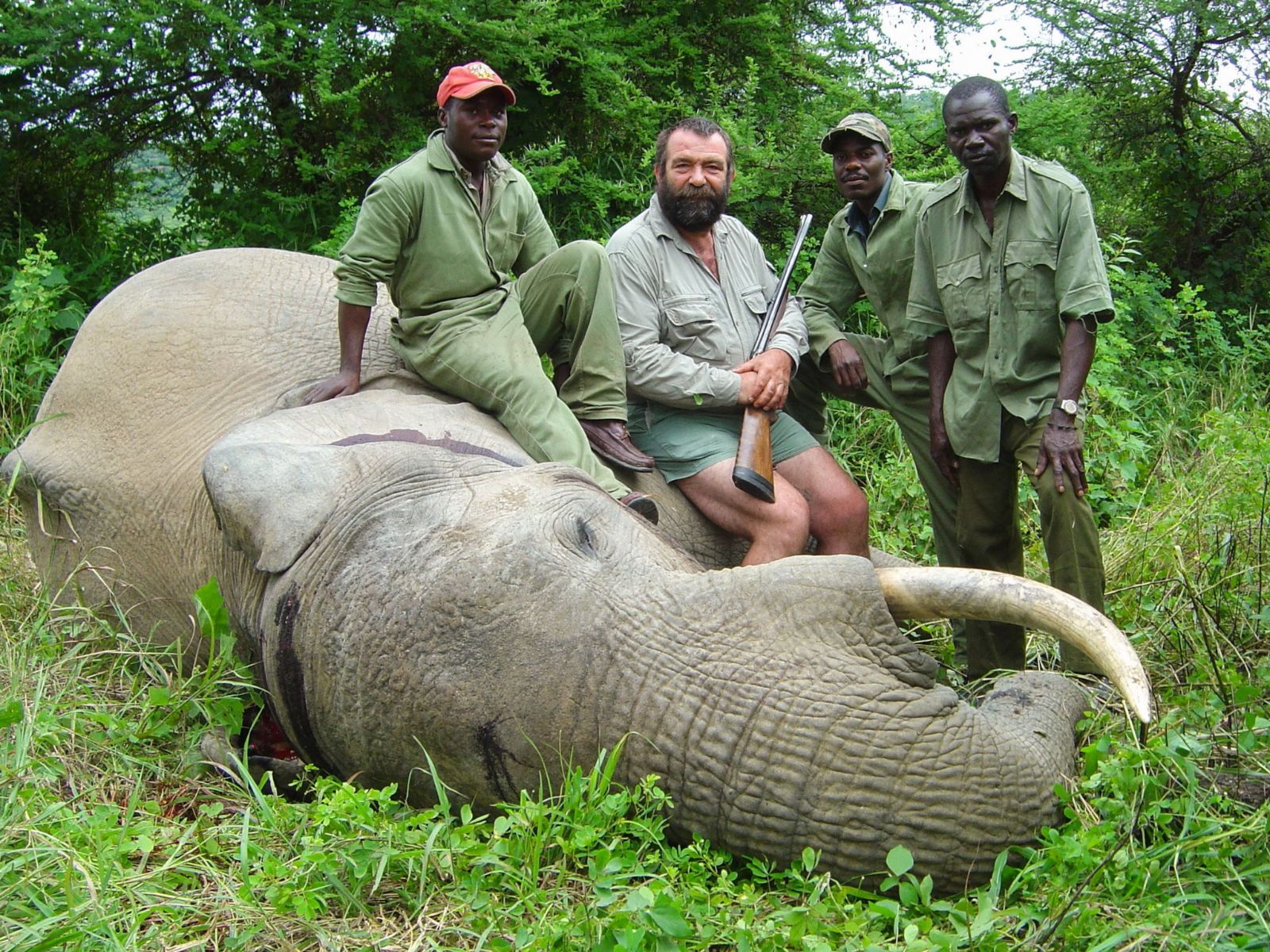
There is also a significant distortion of data even in this study. The fact is that assessments and the first meta-observations only became possible from the 1970s. Before that, no such studies were conducted; it was unreal! In their research, scientists state that specifically from 1970 to 2022, in North America, for example, species populations decreased by 28%, and in Europe and Central Asia — by 23%.
But this is only because in Europe and North America, large-scale transformation of natural ecosystems began long before 1970. This indicates that animal populations there were cleared by humans much earlier.
Further, scientists provide data on what percentage of species are currently under threat of extinction.
Amphibians — 41% on the brink of extinction, sharks, rays, and chimeras — 38%; freshwater fish — 26%, mammals — 26%, reptiles — 21%, and birds — 11.5%.
This is specifically from those who are still alive today, meaning the percentage of species already on the brink. In the coming years, they will simply enter the statistics of species erased from the face of the Earth!
Regarding birds, for instance, I came across scientific studies from the international organization BirdLife International, with fresh assessments from October 2025. Experts reported that the population numbers are declining for 61% of bird species worldwide. The difference between 11.5% and 61% is enormous, but this is explained by the fact that population decline can begin long before the criteria for extinction threat are met.
THE WORLD IS TRULY ON THE EDGE! WE HAVE TRIGGERED A MASS EXTINCTION OF ALL LIFE ON THE PLANET AND CONTINUE TO DO SO AT AN ACCELERATING PACE.
Yes, this is statistical methodology, and no one can name exact figures. Yes, scientists may argue over a few percentage points of deviation! But the overall assessment, the scale of this madness, is absolute—humanity will either realize this and unite to save the planet, or following the extermination of all life, we will simply become extinct ourselves.
Data on the decline in animal populations is presented in the Living Planet Index report from October 7, 2026. These are the freshest scientific assessments available.
And extinction, or rather the extermination of animals, is happening right now. In fact, I came across a scientific paper from as far back as 2015 titled "Estimating the Normal Background Rate of Species Extinction"—conducted by scientists from around the world: the University of Zurich, Brown University, the University of Georgia, Duke University, and Microsoft Research. A very extensive study.
So, according to their data, the rate of species extinction on the planet is now A THOUSAND TIMES HIGHER than the natural background rate. Scientists have gathered a vast array of data: 140 molecular phylogenetic trees—reconstructions of the evolutionary relationships of different groups of organisms. Data on mammals, other chordates, arthropods, mollusks, and plants. Analysis of fossil remains and paleontological estimates of extinction over geological periods. 36 scenarios of mathematical modeling testing the robustness of assessment methods. Statistical calculations of the rates of species emergence and disappearance.
Here is the scale of the ongoing planetary collapse: a massive extinction of species due to human actions, we have literally taken over the Earth and are clearing it, simply erasing all living things from the face of the planet. The decline in vertebrate animal populations over just the last 50 years is about 73%, and the current extinction rate is a thousand times higher than the natural background.
And yet, nothing is changing for the better! The "noose" around Mother Earth's neck continues to tighten. The data on species reduction is limited to 2022, while the extinction rate data is from 2015.
We urgently need to change the entire existing conservation system worldwide and unite millions of people in the fight for Life! We have no time.
© PAVEL PASHKOV
Support the fight!
The hardest thing in our time is to remain independent from government and business! All activities are carried out independently. Stand with us and support our Mission to protect wildlife.
I want to support!Get involved
On an ongoing basis, we launch public initiatives together to protect wildlife and achieve real change. Join this work and help change the world for the better.
Explore the initiativesTFET Concept
We are working to transform the global protected-area system — Territories of Full Ecological Tranquility (TFET) must be created. Wildlife needs refuges from human pressure! This is one of the key paths out of the planetary ecological crisis and toward preventing further ecosystem collapse.
Learn more