
My fellow advocates, we have tried many times to protect bears in Russia. We have spoken about the problems, collected regional data, and calculated the number of hunting quotas issued for killing them. And I believe that bears are being subjected to a systematic slaughter. I cannot describe it any other way—it is exactly that: a systematic slaughter. How else can we explain official decrees authorizing quotas for more than 45,000 bears in a single calendar year? In other words, government officials knowingly permit this many animals to be killed and directly authorize it. And even if the actual number killed turns out to be lower—if, for example, hunters do not purchase all the available permits—it changes nothing. Authorizing the shooting of 45,000 bears is like lining them up in a public square and selling “tickets” to anyone who wants to shoot at living targets. Then, afterward, officials shake their heads regretfully and say, “Oh, we did not sell them all. Never mind—we will try to sell the rest next year.”
In 2020, hunters were authorized to kill approximately 24,000 bears. By 2026, that figure had risen to more than 45,000. And this comes after Russia’s law enforcement and security agencies—the Federal Security Service and the Prosecutor General’s Office—publicly spoke out in defense of bears in 2018, warning that they were being destroyed on a catastrophic scale. It should be emphasized that this was happening under considerably lower hunting pressure, when the total quota was only 24,000 bears. Today, pressure from the hunting industry has multiplied: the number of hunters in the country has exceeded five million, and one-third of all publicly accessible forest hunting grounds have been transferred into private hands for sport killing. And it is at precisely this moment that we are seeing an absolute record in hunting quotas.
In addition, authorities have allowed bears to be killed through December 31—the first month of winter—even though bears generally enter hibernation by the end of November.
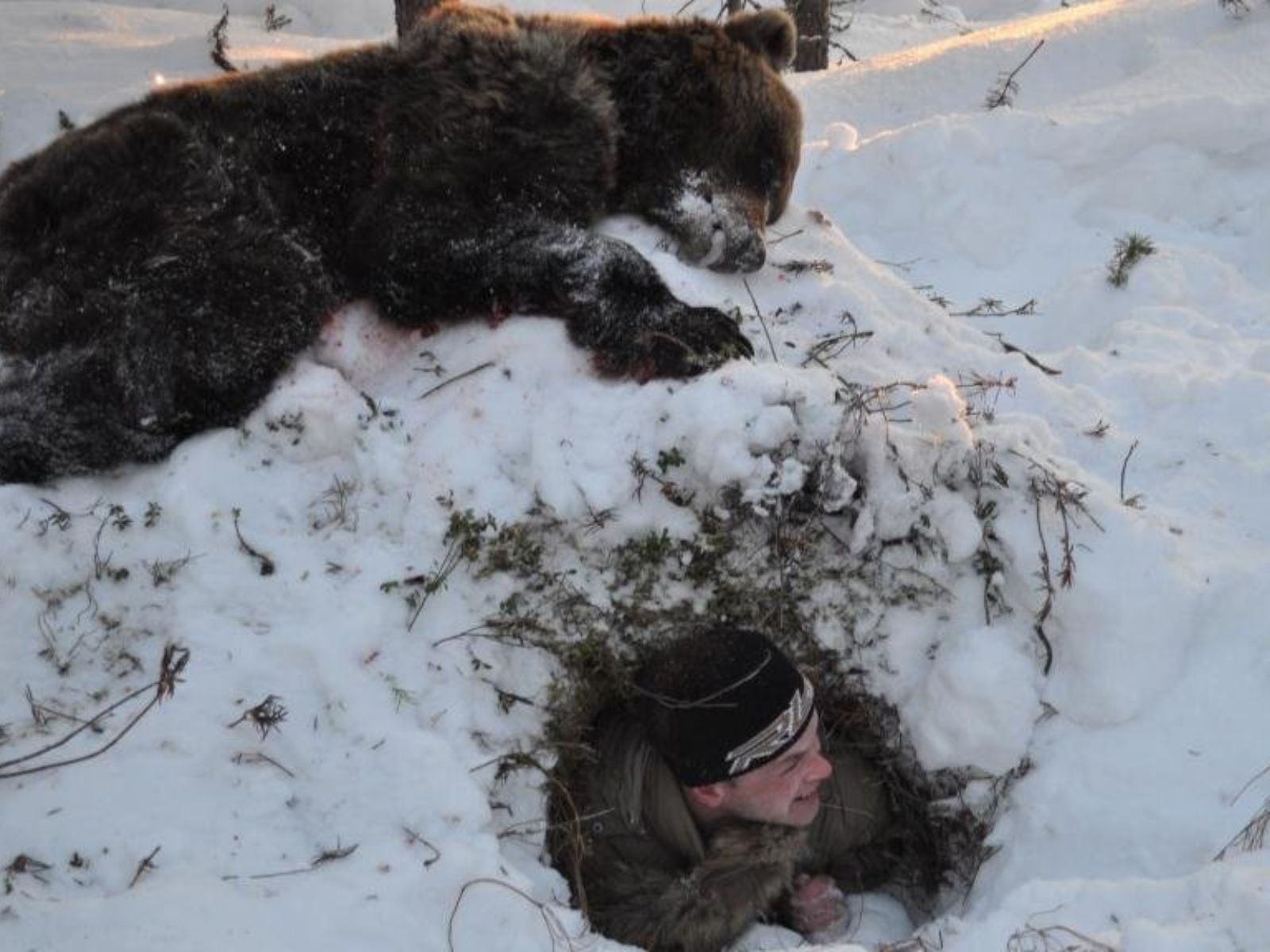

In effect, this legalizes the killing of hibernating bears: fire is thrown into their dens to force them out, after which the terrified animals are shot. There are also active efforts to authorize bear hunting throughout the entire winter, all the way until spring.
As a wildlife researcher, I consider this an unequivocal catastrophe. And I understand perfectly well why it is being done. We are talking about a large animal with an extremely slow life cycle. Female brown bears do not reach sexual maturity immediately, produce very few cubs, and their offspring remain dependent on their mothers for a long time. The reproductive rate of bears is completely incompatible with the scale on which they are now being authorized for destruction.
Now consider this: decrees increasing bear-killing quotas across the country are being issued in parallel with:
- The expansion of the recreational sport-hunting industry;
- The exploitation of the last remaining protected areas in the interests of major corporations.
What we are witnessing is the commercial capture of protected lands—the last refuges of wildlife. The basic reality is easy to understand: when wild animals are deprived of their habitat and food supply, they begin moving into human settlements.
I recently published a series of reports on how the Donald Trump administration in the United States began stripping wildlife protections across the country. The situation there is exactly the same as it is here: the two countries simply copy one another’s actions, repeating the same pattern.
Since yesterday, readers have sent me many messages claiming that bears are being destroyed only in Russia and that nothing like this happens anywhere else. Strangely enough, they specifically cite the United States as an example. I now want to show you clearly that this is completely untrue and that major countries are, in fact, doing exactly the same things.
To prepare this report, I had to study every recent change concerning bears in the United States, including regulations, official documents, and developments in individual states. We will not go back into the distant past. Instead, we will examine the same period we considered in Russia—the period when the race to exploit wild nature began and the commercial killing industry started expanding at a frantic pace.

I do not know what you think, my fellow advocates, but I see a direct correlation with what I described above. The takeover and exploitation of protected lands deprives animals of shelter and food, forcing them into human communities. If this begins happening on a massive scale, it will attract public attention, provoke scandals, and make the problem IMPOSSIBLE TO HIDE. Therefore, to conceal the large-scale destruction of nature and maintain the appearance that “everything is fine, just take a deep breath,” the authorities must increase the killing of animals in advance. They accomplish this through greater hunting pressure.
First.
Just a few months ago, in the spring of 2026, U.S. authorities authorized major corporations to “incidentally” kill polar bears during oil and gas development. There is no real accountability: heavy machinery can “accidentally” run over them, killing a mother bear and her cubs, and so on.
At the same time, U.S. authorities allowed hungry brown and black bears to be lured out of the wild with bait and then shot. Strong-smelling food is placed in an area, starving animals follow the scent, and they are killed when they arrive.

In addition, in May 2026, the U.S. Fish and Wildlife Service proposed the largest expansion of hunting and sport fishing opportunities in its history: more than 1,450 new or expanded opportunities across 111 sites in 32 states. Once the proposal is finalized, more than 92 million acres will be open to hunting and fishing—over 95% of the lands and waters administered by the National Wildlife Refuge System.
It explains the true scale of the destruction of nature and shows how the country’s protected-area system is simultaneously being opened to large-scale commercial exploitation.
Second.
Now let us examine how the destruction of bears in the United States developed between 2020 and 2026.
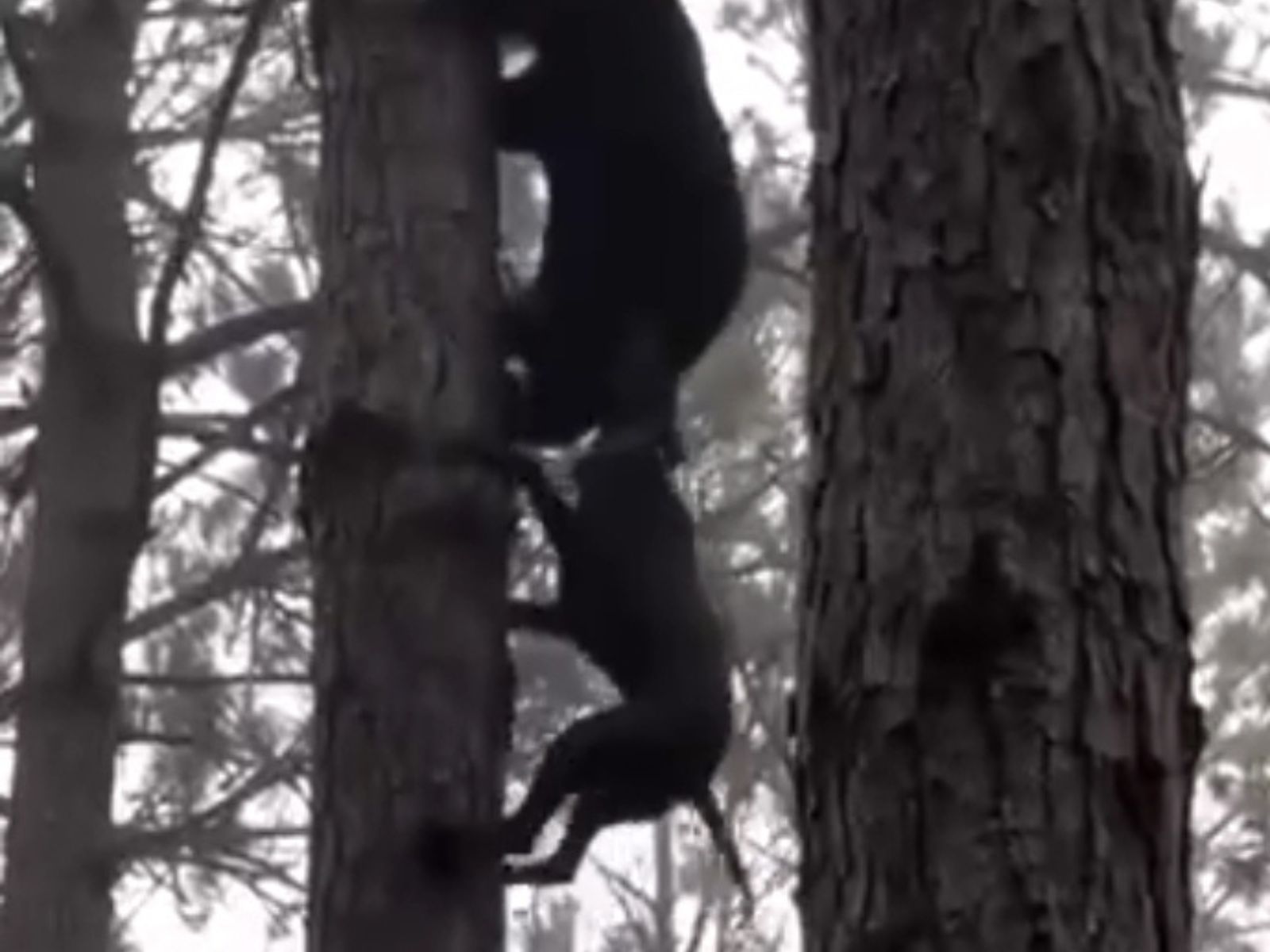
In June 2020, restrictions that had been in effect since 2015 were removed on federal national preserve lands in Alaska where hunting is permitted. Brutal methods of killing black bears were authorized, including hunting them with dogs: dogs chase bears into trees, hunters surround them, and the animals are shot by a group. The killing of mother bears and cubs directly at their dens with the use of artificial light was also permitted. In practice, a mother bear is awakened while she is with her cubs. She runs out of the den in terror, is blinded by a bright, flashing light, and is shot at close range by a group of hunters.
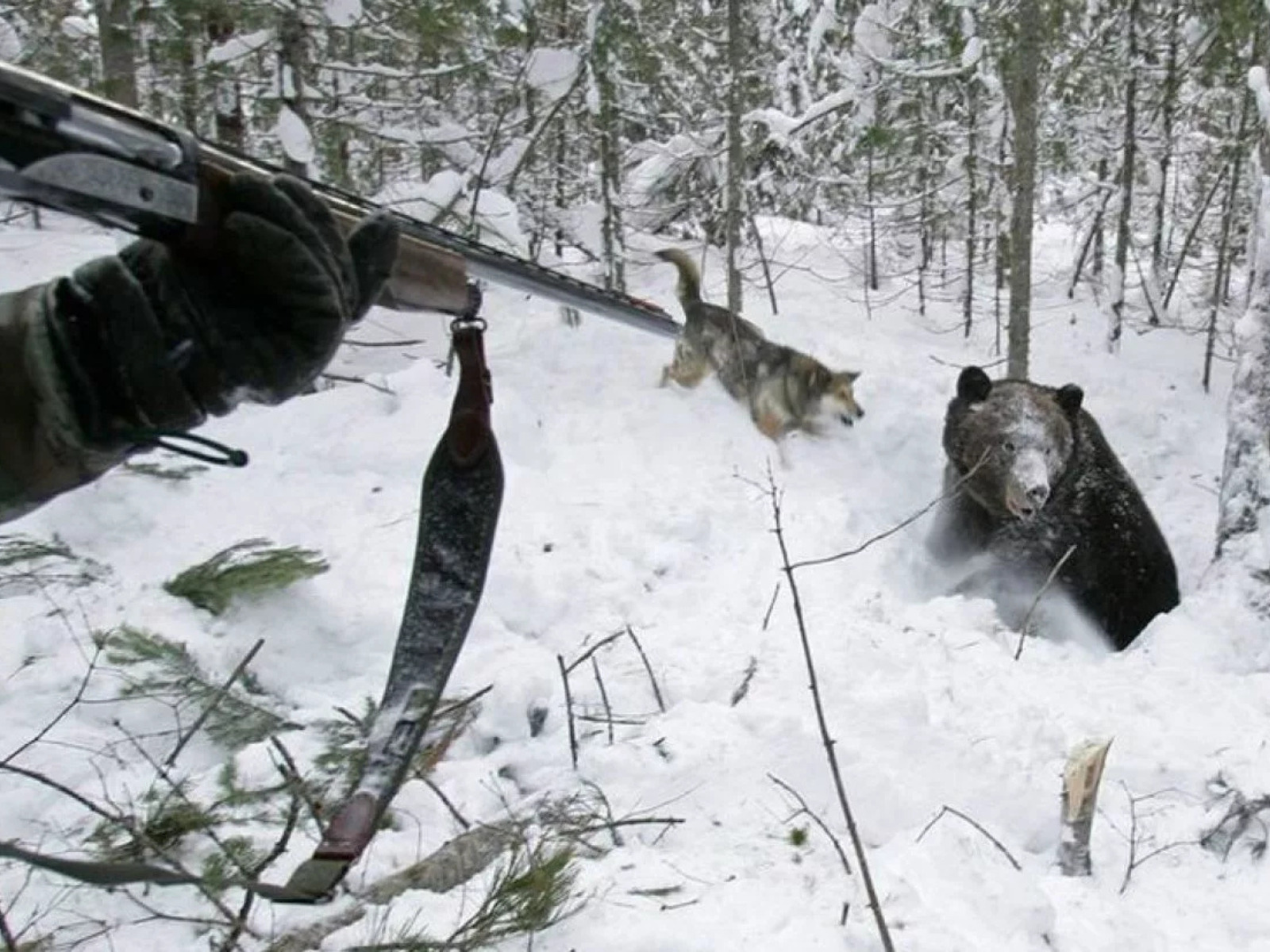
Next is New Jersey. Black bear hunting had been prohibited there, but in November 2022, the state approved a new Comprehensive Black Bear Management Policy and opened a hunting season the following month. Demand among hunters was enormous. They enjoyed it so much that the state established bear hunting as a permanent practice. Permits began being issued widely, and bears could be killed during both the fall and winter portions of the season, including a December segment. The state also established a limit of up to two bears per hunter per season. Licenses sold quickly, and in 2023 alone, 493 black bears were officially reported killed.

Other states began following New Jersey’s example. Once again, it was the classic practice of “copying what worked elsewhere.” In April 2024, Louisiana officially opened its first black bear hunt in more than 35 years. The state enthusiastically introduced a permit lottery and immediately authorized the use of bait to attract bears for shooting. Baiting means that a hunter places food in advance so that a bear will approach a location convenient for a shot. The use of scent lures was also permitted. This made the killing permits easier to sell: people do not like chasing bears through the forest. Instead, often while drinking alcohol, they simply wait near the bait and shoot a hungry bear when it follows the scent.
During Louisiana’s first season, the state conducted a trial lottery in which only 11 “lucky winners” received permits to shoot bears, ultimately killing 10 animals. The authorities then evaluated the program, calculated its potential profitability, and increased the number of permits to 26 in 2025 while also expanding the hunt into several additional zones. By 2026, the number of permits had already risen to 42. In other words, the escalation is happening right now through gradual testing and expansion.
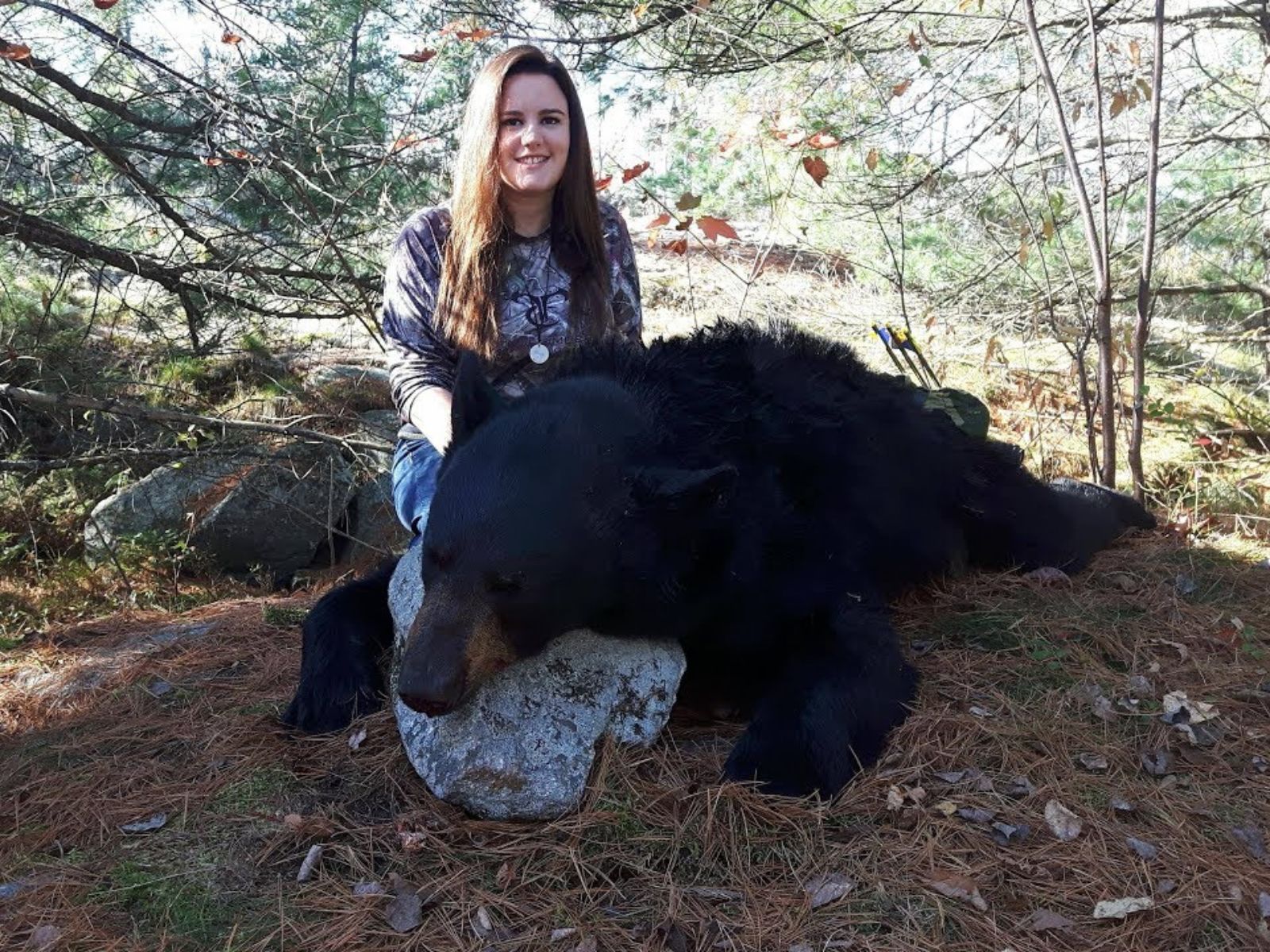
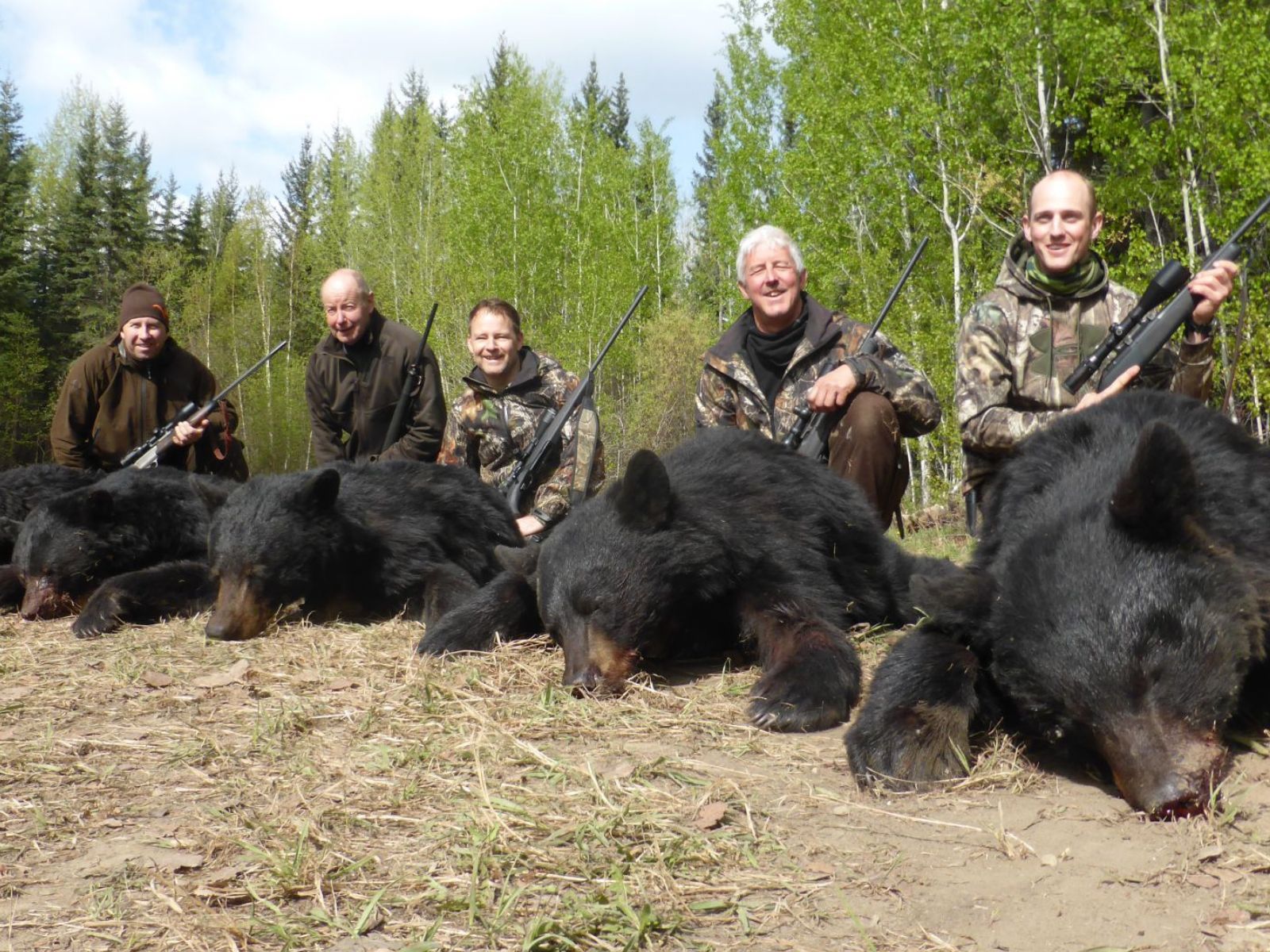
In reality, if the objective is to shoot animals that are emerging from the wild in search of food because their habitat has been destroyed, then this strategy is perfectly logical. Protected areas are opened to exploitation, animals lose their habitat and food supply, and they begin moving toward human settlements. They follow smells. So the “management” system effectively stations armed people with bait at the edges of the forest, where they shoot bears as soon as the animals attempt to approach populated areas. That is all it takes. The public never learns the true extent of the destruction of nature.
Let us move on to the next states. Florida copied the same approach, but did so carefully. First, in 2024, the state enacted HB 87, which allows a person to kill a bear if they claim they were protecting themselves, a pet, or their home. If certain conditions are met, the person is exempt from administrative, civil, and criminal liability. This effectively creates a way to kill bears at any time of year while presenting it as being done for a “good” reason—after all, it is supposedly about the right to self-defense.
But the following year, in 2025, Florida went further and authorized direct bear hunting for the first time in 10 years, after it had previously been prohibited. The state did not proceed cautiously—it immediately issued 187 killing licenses. At the same time, state authorities allowed bears to be shot near baiting sites. Once again, notice that we are talking about hungry animals emerging from the wild in search of food.

Florida also authorized the training of dogs for bear hunting beginning in 2026, and starting in 2027, hunters will be fully authorized to use dogs to kill bears. It is the same practice: the dogs chase a bear into a tree, and a group of hunters shoots it.
Next is the proposal I mentioned above: a new set of federal regulations for 2026–2031, introduced in March 2026. Under these rules, polar bears—which are already facing an existential threat—may be “incidentally” killed during oil and gas development. I studied the document, and it describes situations in which human activity may cause bears to die. For example, heavy equipment could destroy a den, or a female could abandon her den because of disturbance, causing her cubs to die. This is officially described as incidental lethal take.
- Alaska is also expanding its government-run “predator control” programs. This is not sport hunting; it involves government personnel shooting bears and wolves from helicopters in order to “regulate their populations.” And if you have already read my earlier report about what is happening in the United States and how wildlife protections are being dismantled on a massive scale, then you already understand why this is being done.
These are only some of the changes affecting bears in the United States—changes that have been introduced methodically over the past several years. They are now multiplying rapidly. For example, 1,450 new or expanded opportunities for recreational sport hunting and fishing are only now being approved. Think about that: nearly fifteen hundred new or expanded opportunities. This represents a colossal weakening of protections for wildlife throughout the United States.
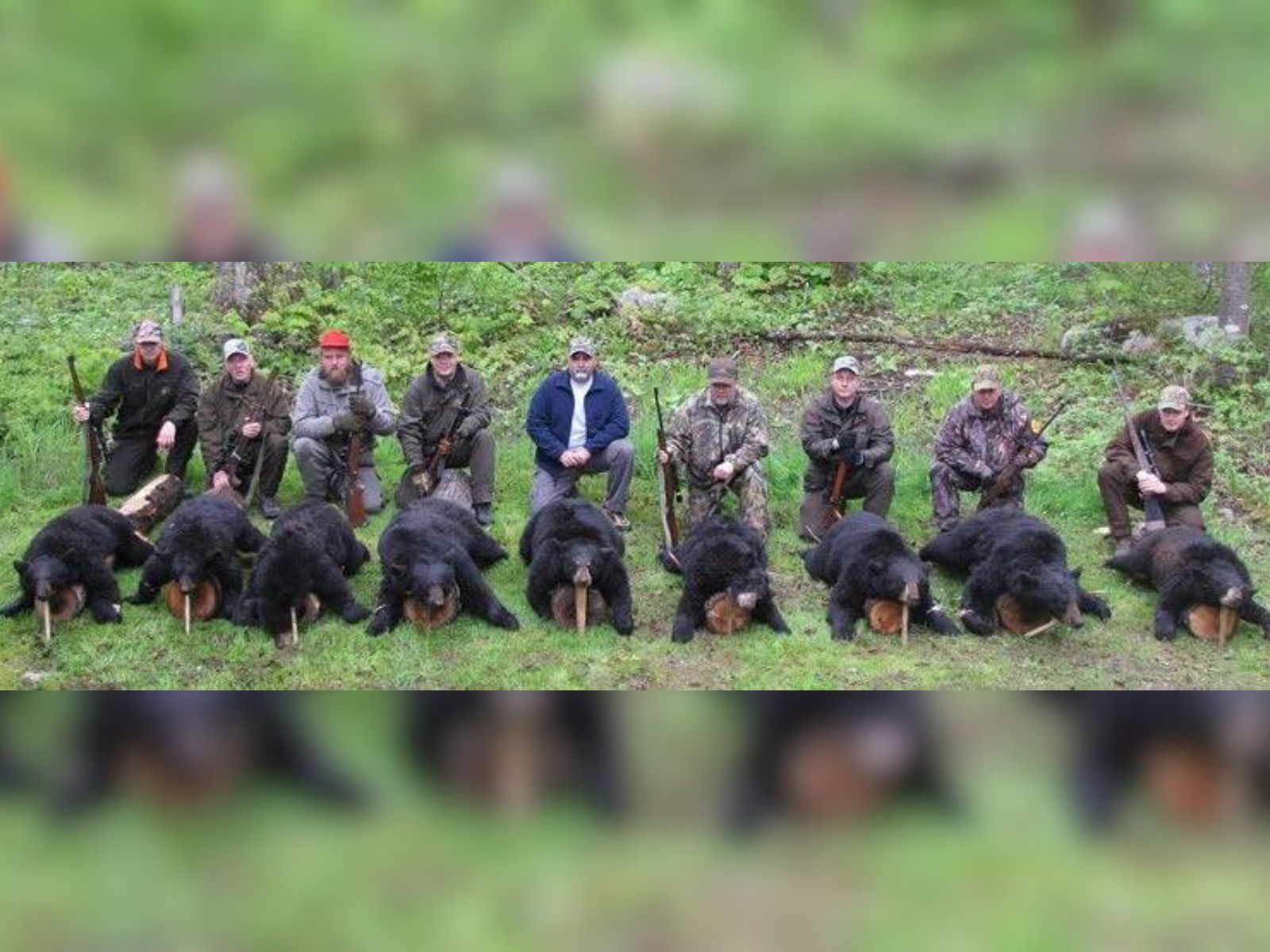
And, just as with the killing of bears in Russia, all of this directly correlates with the ongoing commercial seizure and exploitation of protected lands in the interests of major corporations.
Unfortunately, almost no one wants to protect bears. This is largely because bears do not inspire the same empathy in people as many other animals, and fear of predators makes the public reluctant to defend them. But are the bears to blame for being deprived of their habitat, left without food, and then lured with the scent of bait so that they can be shot?
Bears are not even allowed to sleep in peace—their killing is being legalized inside their dens.
© PAVEL PASHKOV
Support the fight!
The hardest thing in our time is to remain independent from government and business! All activities are carried out independently. Stand with us and support our Mission to protect wildlife.
I want to support!Get involved
On an ongoing basis, we launch public initiatives together to protect wildlife and achieve real change. Join this work and help change the world for the better.
Explore the initiativesTFET Concept
We are working to transform the global protected-area system — Territories of Full Ecological Tranquility (TFET) must be created. Wildlife needs refuges from human pressure! This is one of the key paths out of the planetary ecological crisis and toward preventing further ecosystem collapse.
Learn more
