
Environmental problems are becoming chronic, growing more severe, and entering a fatal phase for biological systems, when saving species becomes simply impossible. And without urgent measures to protect wildlife, we will simply lose the last of what we still have left. But how can these things be explained to a bureaucratic system of governance that works only to serve the interests of big capital?
How can we explain:
That quotas for shooting 45,000 bears within a year are catastrophically high for a species with a slow life cycle and slow reproduction. This cannot be justified by any science.
Killing bears while they are sleeping in their dens, when female bears are in a vulnerable position and many of them are with their cubs or are about to give birth directly in their dens in winter (female bears give birth in winter), is real cruelty to animals and a crime against Humanity.
- Expanding recreational sport hunting is wrong, especially when there is scientific evidence showing that over the past 50 years alone, the number of all animals on the planet has declined by 73%: you are FINISHING OFF THE LAST ONES.
These seem to be such simple things that, it seems to me, one could try to understand them even with a basic school-level education. But for some reason, only a few understand this, and moreover, we, society, have to explain these basic things to officials.
But when you start looking at the problems even more deeply, everything falls into place. Nobody cares about nature! Everything is being destroyed simply in the interests of certain lobbying groups that, “under the cover” of the entire political collapse, are blatantly appropriating the protected-area rent of our country.
And now we already see a bill on clear-cutting at Lake Baikal; a bill on the clear-cutting of protective mountain forests; a law legalizing the destruction of any specially protected natural areas in the interests of business; a law on the transplantation of rare plant species for the seizure of their land and the expansion of opportunities to shoot animals listed in the Red Book.
Comrades!
After colossal pressure for our activities, we have launched a new direction — “Protection Programs” for wildlife. The first project is in defense of bears: a full-fledged registry for calculating quotas in the regions, a detailed explanation of the problem, numerous materials, and an official document addressed to the Government on the need for urgent changes. And, of course, further systematic work to protect the master of the Russian Taiga. We will still have to develop mechanisms for influencing these problems, especially given that not only is protecting nature becoming impossible, but even simply speaking about the problems is becoming impossible.
Now it is necessary to understand how it is possible to continue the struggle under current conditions. But one thing is certain — we must do this. And on the basis of our “Protection Programs”, with all scientific justifications and constant systematic work, I propose launching the following projects.
Protection of Wolves
No one wants to protect wolves. No one listens to scientists! No one sees the problem. Meanwhile, for many years in a row, the large-scale destruction of wolf packs has been increasing across the entire country. For every killed wolf, bonuses of up to 50,000 rubles are paid; it is permitted to kill their pups, destroy their dens, and shoot these gray orderlies of wildlife from helicopters. At the same time, it is permitted to use night-vision optics, light-and-sound devices, and any limits on the destruction of wolves are being removed.


This has long turned into an industry for writing off huge amounts of budget money under the pretext of fighting the “gray threat.” Moreover, as I have already said in my earlier materials, it is people who break up wolf packs and provoke predators to approach settlements, which then becomes a justification for even more killings.
I propose launching a full-fledged permanent project for the protection of wolves and trying to establish work in this direction. Unfortunately, no one wants to protect them! And because of this negligent attitude toward the orderlies of the Russian Taiga, their destruction is accelerating and expanding.
Protection of Tigers
Additionally, I consider it necessary to launch a project in defense of Amur tigers, with specific proposals for changing methods of their protection, restoring their habitat, and preventing conflicts with people. Let me remind you that in recent years tigers have been coming out to people en masse, and every year in winter, driven by hunger, they drag dogs away from chains. The food base has been destroyed, forests have been divided among hunting grounds where people shoot other animal species for entertainment, leaving tigers without the opportunity to obtain food for themselves.
And all that our officials have come up with is to chain frightened dogs near the forest in order to lure tigers out of the wild “with live bait.”
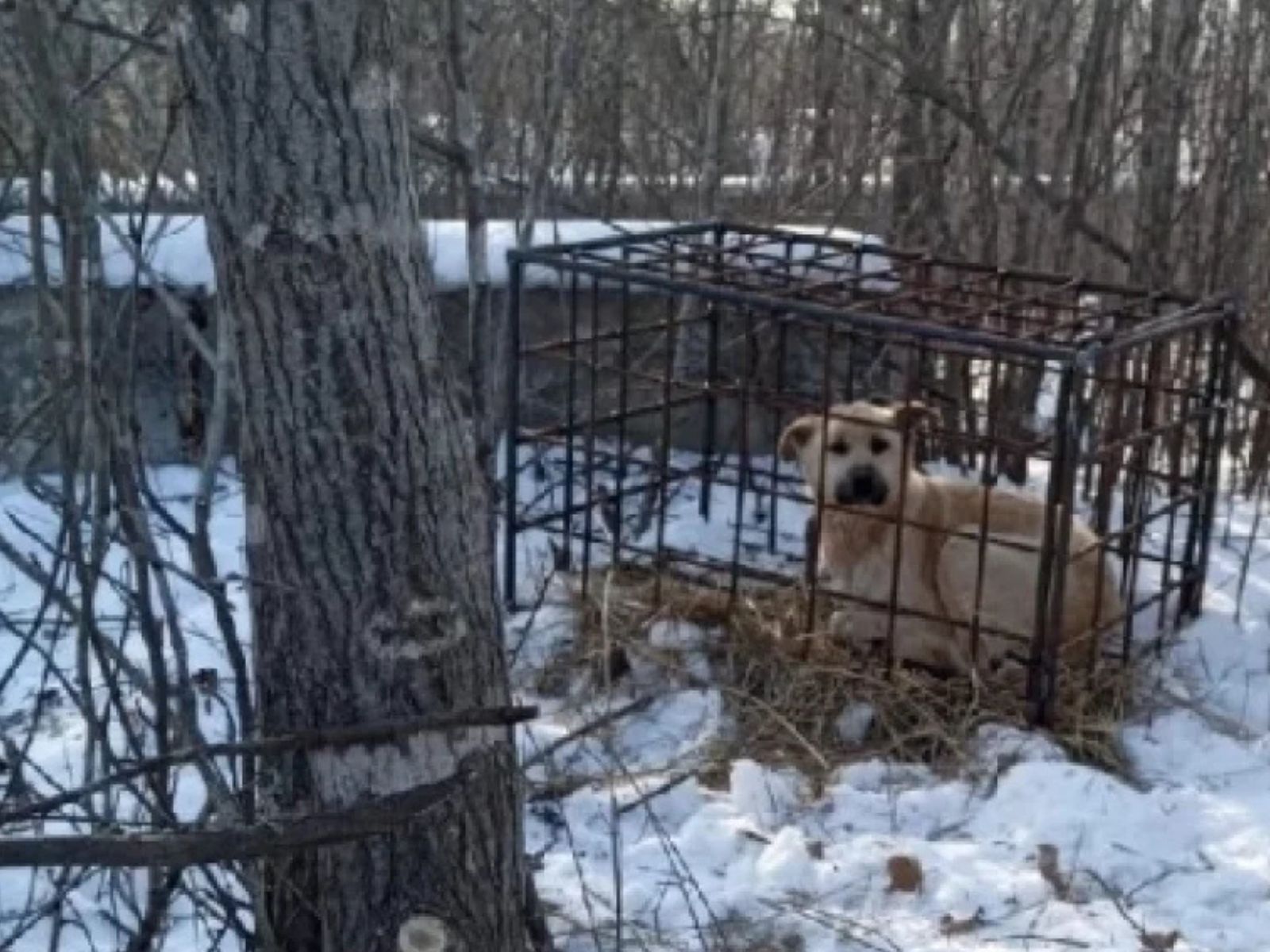
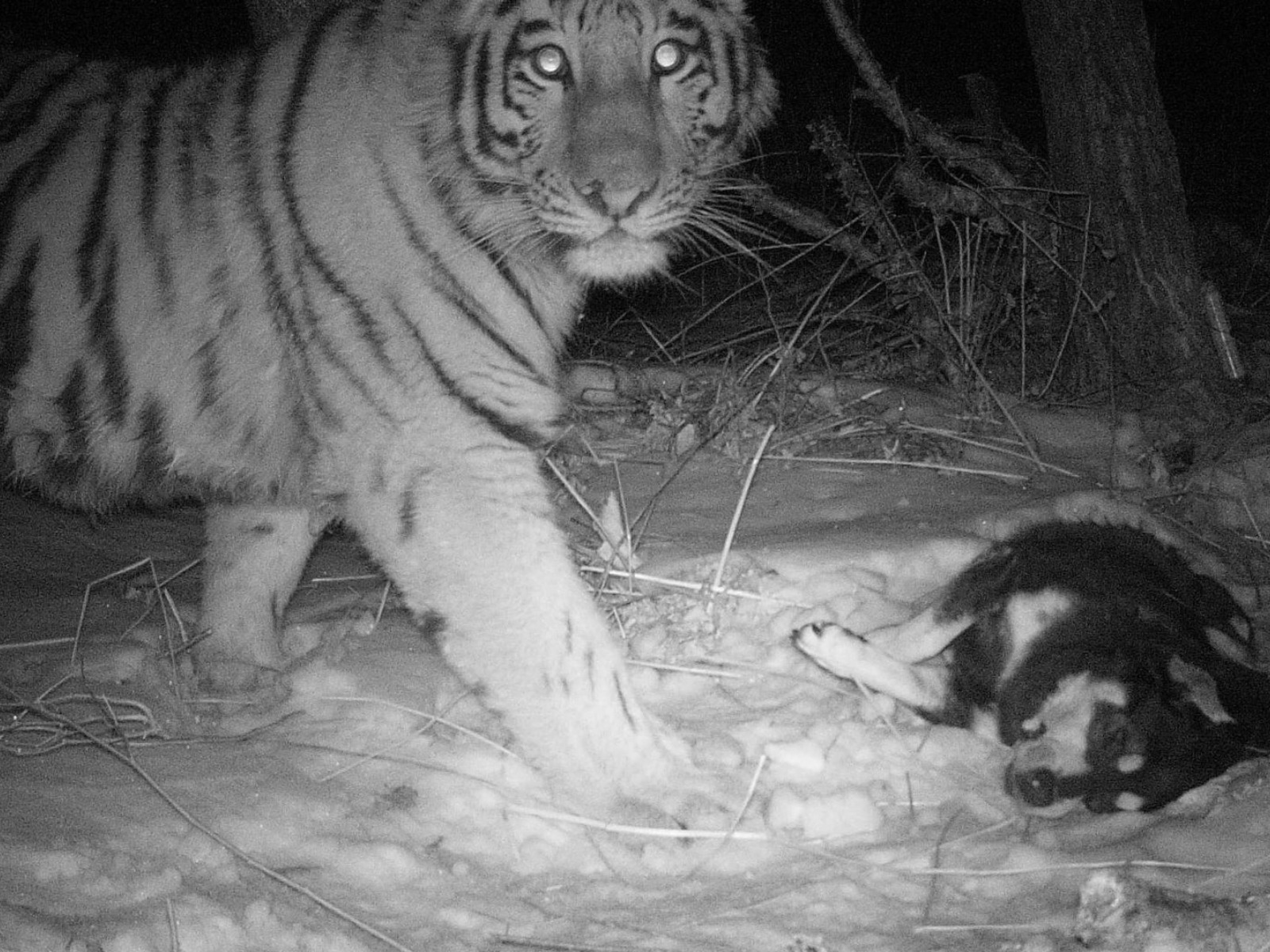
Even specialized experts are shocked and do not know what to do; they openly state that “tiger hysteria” is being deliberately inflated and that a real campaign is being conducted in the interests of the hunting lobby. The point is that high-ranking hunters in power have long been seeking to legalize the shooting of tigers — they are too desirable as a trophy.
Protection of the Food Base
At the same time, cedar forests and oak forests are being destroyed in our country, and they are known to be centers of interspecies connection and to provide animals with a food base. What if we prepare scientifically grounded proposals to ban the cutting of mother trees and try to achieve legislative changes? There are also people — allies — who are ready to help from within the system.
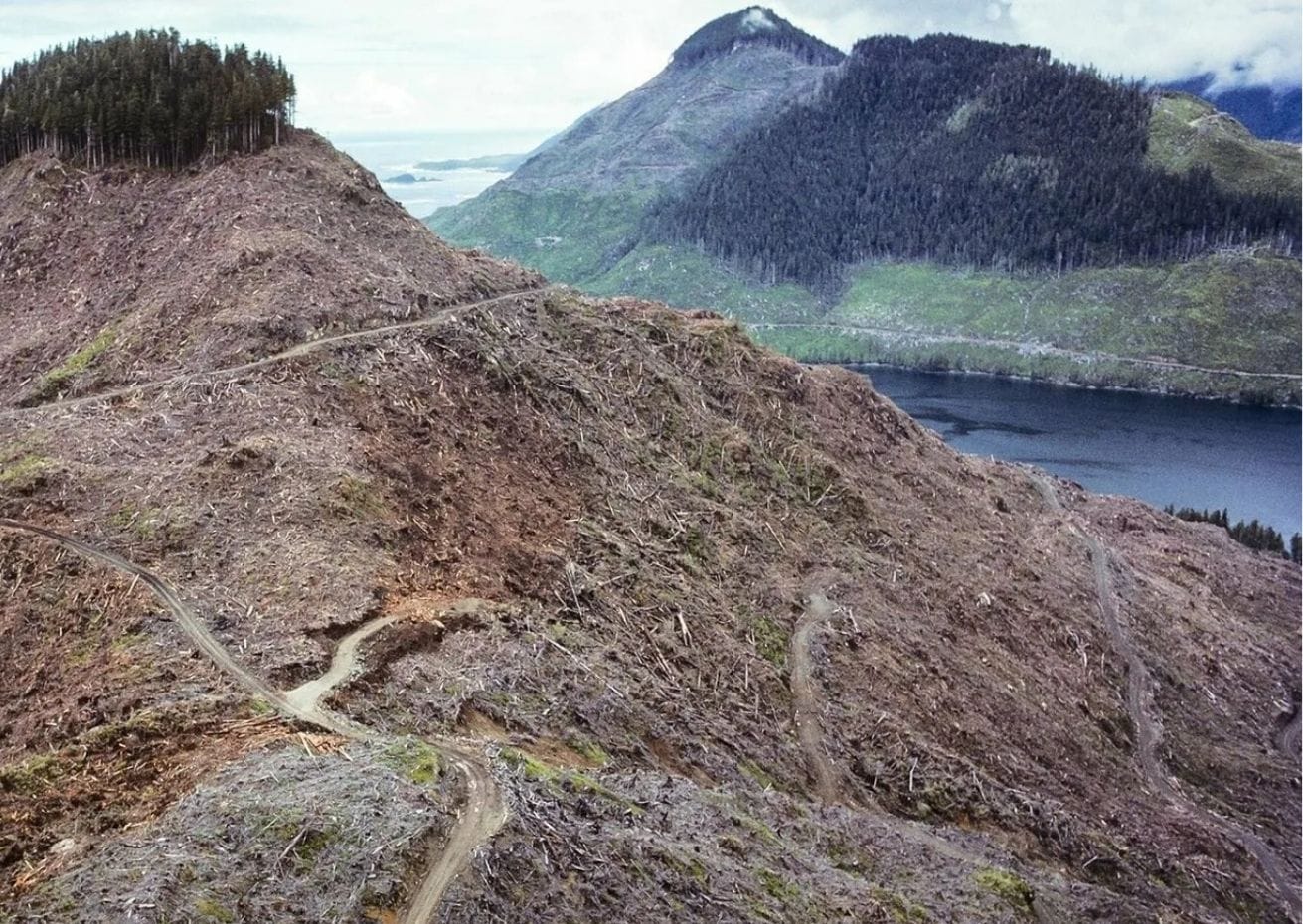
I have been speaking about this problem for a long time; many years ago we somehow tried to achieve a ban on cedar logging, and local bans were introduced in some regions. Why not begin full-scale work across the entire country?
If we achieve the protection of cedar and oak trees, animals will be provided with a food base, and this will prevent a “collapse” of species in the Russian Taiga. It will protect their right to Life.
Protection of Ancient Forests
A separate direction that I consider extremely important is, of course, the protection of natural forest ecosystems. They are now being destroyed throughout the country, and these forests are of particular value to big business. But only ancient forests are also capable of regulating the climate, ensuring the work of the biotic pump, maintaining the necessary complexity of biological systems, and protecting species diversity.
In addition, as scientists have shown in recent studies, ancient forests store colossal experience — physiological and genetic heritage — passing all of this on to young trees. Therefore, it is obvious that we must seek a ban on the cutting of such forests and preserve them as the genetic potential of the entire Russian Taiga.

We should prepare justifications, bring together scientific studies by Russian and international scientists, create a center for public coordination in the form of a permanent project, and seek changes at the legislative level.
Thus, we will gradually launch projects to protect the key predators of wildlife (for whom no one is ready to stand up), as well as to protect their habitat. Each project will complement the others, and we will not only speak about the problems, but also propose specific, well-grounded solutions.
We will be able to launch the projects during the summer; this will require time and effort. We need not only centers for “Protection Programs”, but also constant, full-fledged work in each direction. Otherwise, none of this makes sense.
Will we manage, comrades?
And here is one more thing I want to note. Recently, we have had other major problems, the solution of which could, through a chain reaction, affect an entire cluster of other chronic problems at once. I think that if we are able to develop mechanisms for the tasks described above, then we should:
Take up the protection of bees, which are now dying out across the country on an unreal scale. Create an interactive map of reports of bee deaths, present statistical data, and create a registry. Gather scientific works, organize cooperation with beekeepers, try to develop proposals together with experts, and push them through at the legislative level.
- And also address the problem of the use of toxic chemicals on agricultural fields, which for several years in a row have been littered with the bodies of tens of thousands of animals and birds. I think we also need to work in this direction, precisely in a systematic and permanent way. There is already an understanding of the problem and scientific assessments, but there is not a single major central project. Perhaps it is we who could do this.
We will not be able to take on other things, so for now this is the list of priority tasks that we can undertake together. It will require time and effort. Perhaps we will manage.
In parallel, we need to continue work on Territories of Full Ecological Tranquility (TFET). Let me remind you that we have begun expeditionary and research work, and I want, through my own efforts, to determine the boundaries of the future protected-area system, develop project proposals for states, and, without political or social borders, seek absolute protection for key ecosystems in the world.
And finally.
Now, what worries me. Right now, bills are being adopted that effectively destroy the protected-area system. You all already know about this. We held back this madness for a long time, repelled numerous attempts to push through these bills, but in the spring of 2026, colossal pressure was exerted on nature defenders.
I understand that the oligarchs are impatient to appropriate territories that could enrich them many times over. But we are talking about points of self-restoration for biological systems. These are refugia — the last shelters of wildlife, which must never, under any circumstances, be touched.

I also understand that we must try to do something. To influence this. But how? How can we fight without resources and strength, under colossal pressure?
I think the destruction of the protected-area system can be united into a separate project, without trying to repel attacks on wildlife in a fragmented way, but instead seeking comprehensive protection within a single platform. But for now, this is impossible.
What are we even talking about if experts are being banned, the truth cannot be spoken, and the people who helped us achieve changes from within the system are simply being stripped of their positions? Including prosecutors who are dismissed for “daring” to identify environmental problems and are driven out in disgrace “due to loss of trust.”
This is my separate pain. But what to do is still unclear.
Let us begin work on the announced directions and see what is within our power. I believe that we will change the world! And I know that there will be more and more people supporting our Mission. The main thing is to withstand this difficult time.
© PAVEL PASHKOV
Support the fight!
The hardest thing in our time is to remain independent from government and business! All activities are carried out independently. Stand with us and support our Mission to protect wildlife.
I want to support!Get involved
On an ongoing basis, we launch public initiatives together to protect wildlife and achieve real change. Join this work and help change the world for the better.
Explore the initiativesTFET Concept
We are working to transform the global protected-area system — Territories of Full Ecological Tranquility (TFET) must be created. Wildlife needs refuges from human pressure! This is one of the key paths out of the planetary ecological crisis and toward preventing further ecosystem collapse.
Learn more
