
Political idiocy. I can’t call it anything else. Sheer madness in people’s heads. Instead of protecting nature, they play with animals as if they were toys. It becomes even more dangerous for humanity when this is done by the highest-ranking representatives of power, labeling it as “state policy.”
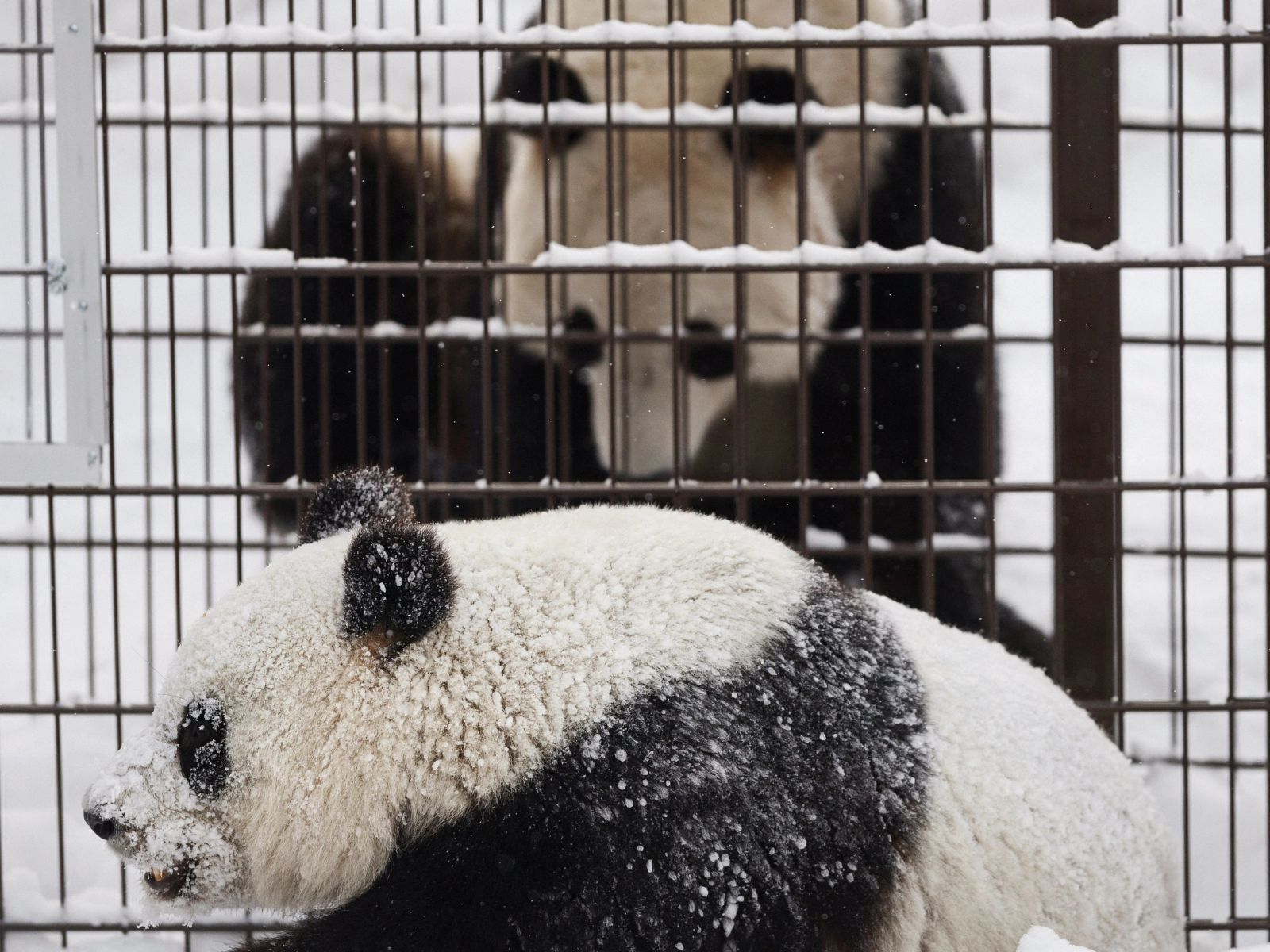
At the end of January 2026, the last Japanese pandas — the twins Xiao Xiao and Lei Lei — were sent from Tokyo to China. China officially demanded that Japan return the pandas. They say it was allegedly because the lease terms had expired, but in reality it was due to political conflicts between the states. In November 2025, Japan’s Prime Minister Sanae Takaichi stated that a Chinese attack on Taiwan could provoke a Japanese military response. Japanese federal media showed thousands of people in tears coming to say goodbye to the pandas. They call it a tragedy “of national scale” — for the first time in half a century, the Japanese lost their pandas, which had previously been gifted to them by the Chinese authorities as part of “panda diplomacy.”
I want to talk about this. So that you understand how far the overall degradation of state governance systems has gone.
First, the giant panda was practically exterminated. Its only natural habitat is located in the mountains of central China! In the 20th century, the population of the Celestial Empire grew rapidly — there was an urgent need to seize the habitats of wild animals. Massive destruction of ancient forests and bamboo groves took place; scientists estimate that more than 50% of the forests where pandas lived were lost within just a few years. At the same time, pandas were slaughtered en masse for their skins and for souvenirs. Until the late 1980s, no one seriously monitored poaching, and only in 1981–1988 did the PRC ban hunting pandas and trading in their body parts.
From what little remained of wildlife, the first networks of protected reserves were created in the 1990s. As of 2023, it was known that the total number of pandas on the planet amounted to slightly less than two thousand individuals (by various estimates, up to 1,900 pandas). At the same time, scientists say that this entire “victory over extinction” is nothing more than an illusion — the remaining bears depend on isolated patches of nature that are maintained exclusively by humans through artificial means. And pandas are protected only because China has officially created a “panda policy,” distributing bears to other countries as a “gesture of friendship” for zoos.
They took this “panda diplomacy” from their own history. In 685, there was a case when Empress Wu Zetian gifted two bear cubs to Japan as a sign of friendship. Later, Mao Zedong — the same one who exterminated sparrows in China, after which millions of people died of famine — began using the gifting of pandas to friendly countries as a gesture of cooperation. For those who don’t know, I will explain: in 1958–1962 (quite recently), Mao Zedong, who was the leader of the Celestial Empire, launched the “Four Pests” campaign as part of the “Great Leap Forward” policy. Sparrows were declared enemies of agriculture. They were exterminated en masse across the country: nests were destroyed, birds were beaten with sticks, they were prevented from landing until they fell from exhaustion. And since sparrows were important regulators of insect populations, their disappearance led to an explosion in the numbers of locusts and other pests, which resulted in massive destruction of crops.
Then the “Great Chinese Famine” began (1959–1961). According to estimates by demographers and historians, up to 45 million people died. The campaign was officially recognized as a mistake; sparrows were later removed from the list of “pests,” and China was forced to import sparrows from the USSR to restore ecosystems.
It was precisely Mao Zedong who launched the “panda policy” in those years. The idea was simple: if China wanted to establish relations with other countries, it gifted pandas. First to the USSR and the DPRK, and later to the United States. For example, in 1972, following the meeting between Nixon and Zhou Enlai, the first pandas appeared in Washington. In total, from 1957 to 1982, China transferred 23 pandas free of charge to the USSR, the United States, France, Japan, and other countries. However, starting in 1982, when the number of pandas in China fell to a critically low level, Beijing revised its policy: since 1984, large bears have no longer been gifted but only leased. Accordingly, this too is presented as a “gesture of goodwill” — refusing to accept pandas is not an option; unofficially, it is treated as a refusal of friendly relations with the Celestial Empire. If they give them to you — you take them.
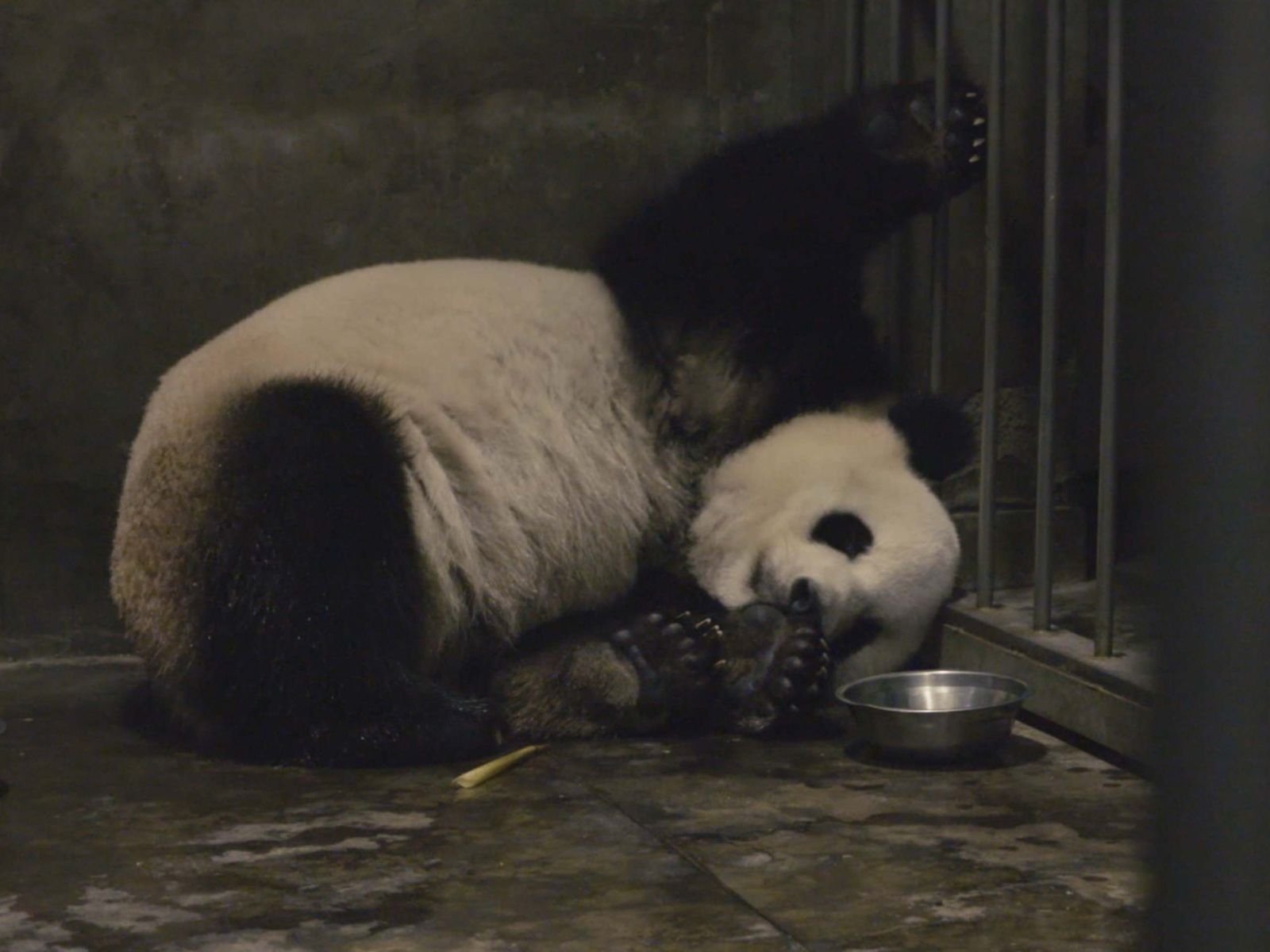
At the same time, the lease conditions are harsh: pandas are usually transferred to zoos for a 10-year term with an annual fee of up to one million dollars and strict requirements for their maintenance. Any birth of cubs automatically makes them the property of China: zoos pay a “cub tax” (from $200,000) and are obliged to return the pandas at the age of 2–4 years. This is done not to protect pandas, but for political purposes — as leverage: panda agreements are often concluded in parallel with major economic deals. One study found a correlation between panda lease agreements and the signing of long-term trade deals — for example, in 2011, Edinburgh Zoo received a pair of pandas immediately after the signing of a £2.6 billion trade agreement. Conversely, a deterioration in relations is immediately reflected in the fate of the pandas.
Many scientists and environmental organizations strongly criticize this practice of gifting pandas for political purposes. Experts note that panda lease contracts often turn out to be primarily beneficial to the Chinese authorities as an instrument of “soft power,” rather than providing real assistance in conserving nature.
Specialists within China itself share the same view, although they are openly afraid to voice dissatisfaction because of strict censorship inside the country. For example, Professor Wang Dajun of Peking University emphasized:
“People protect pandas not out of scientific interest and not out of concern for ecology, but because of their cute faces and political significance.”
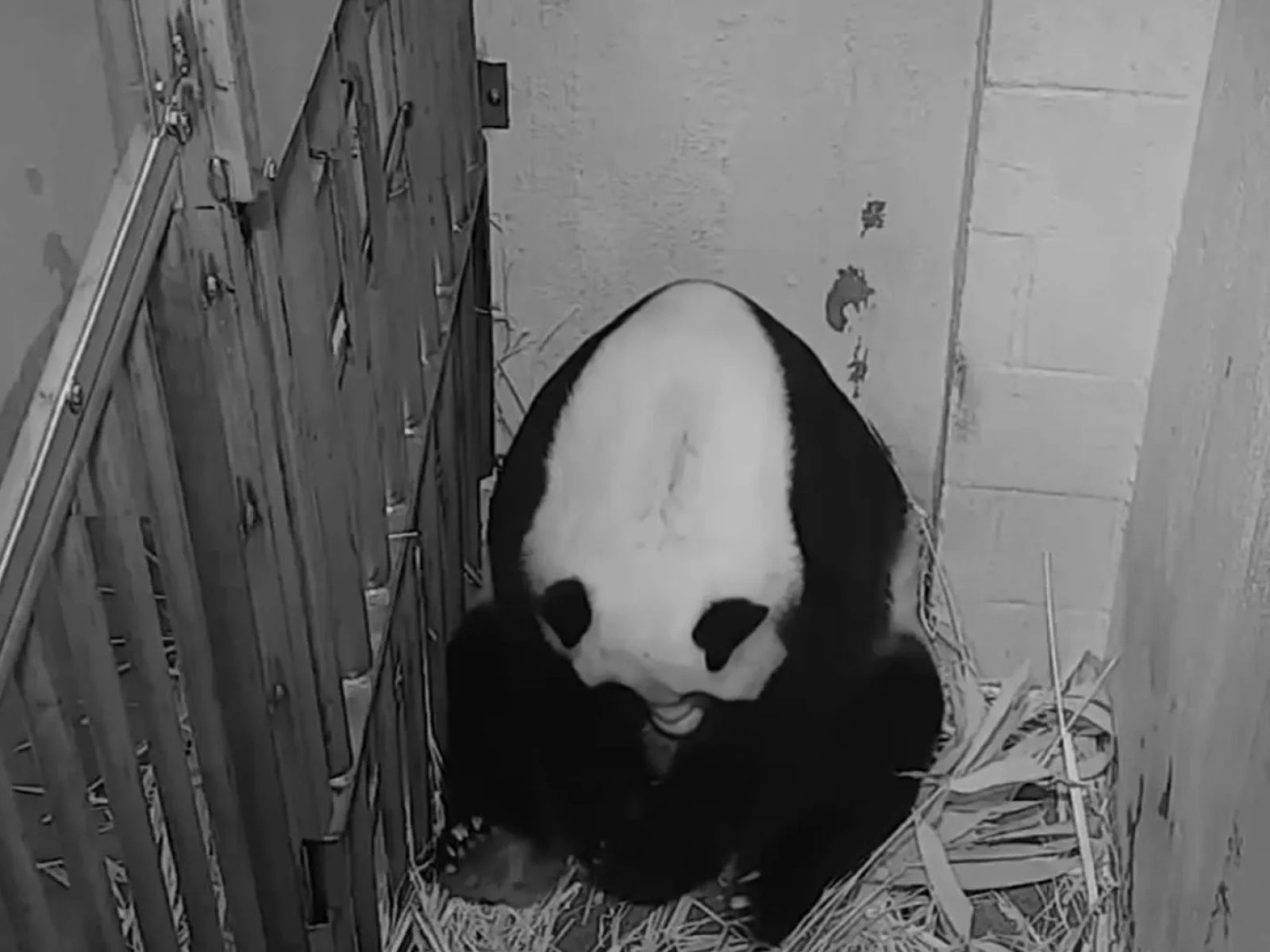
And when China gifts pandas to other countries, they are naturally kept in captivity, in zoos. This is not about restoring wildlife, not about conserving ecosystems. According to Sarah Bexell, a former employee of the Chengdu panda breeding center, cubs bred in captivity are practically incapable of surviving in the wild — attempts to reintroduce them into nature have ended in failure.
I came across statements by Finnish authorities who previously refused pandas due to excessively high costs: the annual payment and care for the animals combined exceeded the budget that the country allocates for the protection of all other endangered species combined. But it is not that simple — China views such refusals as an insult to the Celestial Empire, and naturally, countries that refuse panda leases are not suitable for political cooperation. History shows that any threat or breakthrough in diplomacy immediately affects the “panda agreement”: either the extension of privileges is postponed, or pandas are publicly taken away — just as is happening now with Japan. In other words, pandas are used as a political instrument by China to promote its own interests.
Today, pandas remain hostages of political games, living in isolated patches of ecosystems that are entirely dependent on humans. I will once again quote Professor Wang Dajun:
“The panda is the luckiest species on Earth, and at the same time, it has been extremely unlucky.”
And now, in all the news, there is talk about how China took pandas away from Japan because Japan spoke “politically incorrectly” about Taiwan. The unfortunate bears will be given to someone else, again under media spotlight, demonstrating the Celestial Empire’s policy of “soft power.”
Such is this political idiocy.
© PAVEL PASHKOV
Support the fight!
The hardest thing in our time is to remain independent from government and business! All activities are carried out independently. Stand with us and support our Mission to protect wildlife.
I want to support!Get involved
On an ongoing basis, we launch public initiatives together to protect wildlife and achieve real change. Join this work and help change the world for the better.
Explore the initiativesTFET Concept
We are working to transform the global protected-area system — Territories of Full Ecological Tranquility (TFET) must be created. Wildlife needs refuges from human pressure! This is one of the key paths out of the planetary ecological crisis and toward preventing further ecosystem collapse.
Learn more
