
Bears in our country have finally been stripped of their right to life. Now, throughout the winter, not only brown bears but also black Himalayan bears can be killed — these are practically harmless creatures that often live in trees, eating berries, acorns, nuts, and other foods. Black Himalayan bears search for large tree hollows and build shelters there! Unfortunately, they have always been a target for trophy hunting: crowds of armed people surround the tree and shoot the Himalayan bear. Moreover, according to the IUCN international classification, it has a Vulnerable status.
In our country, Russia, they are found in the Far East. The Himalayan bear avoids humans at all costs, so much so that if its den is disturbed, it often becomes so frightened that it runs away and never returns to that place. There are even instances where a frightened black bear abandons its offspring.
I am currently gathering data for an investigation to protect the bears. Imagine my surprise when I discovered that sports hunting has been legalized throughout the winter, even for black Himalayan bears.
The order from the Ministry of Natural Resources dated November 2, 2026, No. 559, applies to all bears: both brown and black Himalayan. Now, regional governors have the authority to extend the bear hunting season by another 60 days, and since the Ministry of Natural Resources previously extended bear hunting annually until December 31 (during hibernation), these 60 days effectively legalize winter hunting — exactly what the influential hunting lobby has been striving for over many years.
How do they justify this to us? Allegedly, "we allowed the killing of bears in winter to protect people." But while the brown bear is indeed large and might come into conflict with humans, the black Himalayan bear is much smaller and quite timid. Instances of conflict are so rare that you can count them on your fingers! Even the Amur tiger sometimes hunts Himalayan bears, meaning it actually preys on them.
The authorities in Primorye seem to be actively preparing for this, as the governor's decree from July 23, 2026, set a limit on the hunting of 485 Himalayan bears within one year. And now they have even legalized the extension of hunting periods throughout the winter, when bears are extremely vulnerable, sleeping in their dens with their cubs.
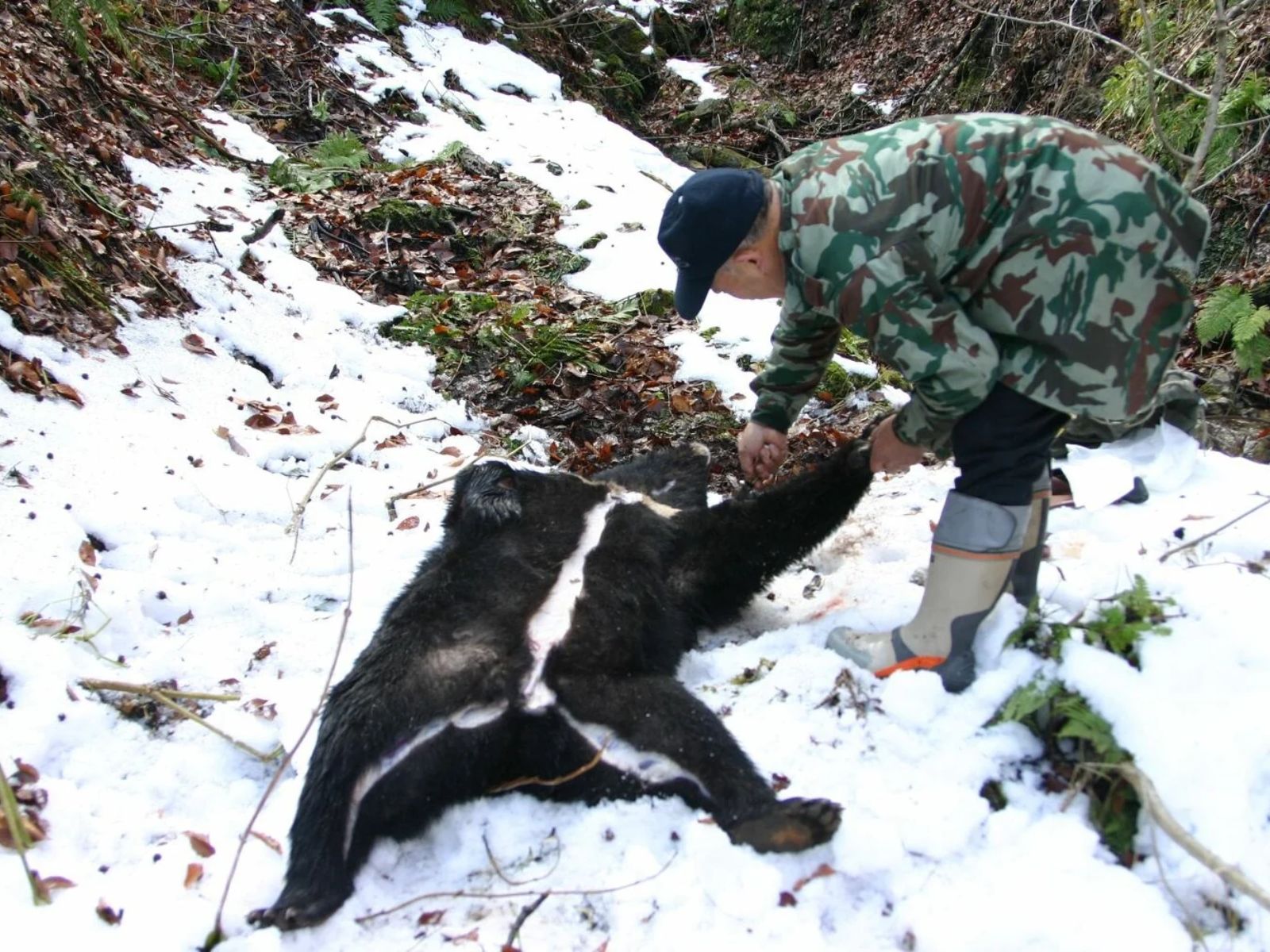
I repeat: the unfortunate Himalayan bear almost never attacks people. I know of only one incident that happened this year—on February 20, 2026, a hunter on a snowmobile with a weapon went to shoot animals in Primorye.
I will quote the regional publication "Vesti: Primorye":
"On February 20, one and a half kilometers from the village of Dubovskoye, a Himalayan bear attacked a hunter," reports "Vesti: Primorye." "As it turned out later, there was a den nearby, and the bear rushed to protect her cubs."
"A young resident of the village, Alexander, went hunting with his father on a snowmobile—the elder had a permit to hunt raccoon dogs. Alexander was unarmed—only a radio. His task was to inspect tracks in the forest strip. It was there, near a small swamp, that he heard snorting two meters away. When he turned around, a white-chested bear was rising to meet him."
"Inspector Dmitry Sukhanov from the Ministry of Forestry arrived at the scene. In the den, he discovered two newborn cubs."
"If a mother bear is disturbed in her shelter during winter, she flees out of fear and does not return—even to her offspring. This is how orphans are created. The cubs weigh about 500 grams, they are blind and helpless, and without their mother, they are doomed. They were taken and transferred to the Center for the Rehabilitation of Tigers and Other Rare Animals in the village of Alekseyevka. Specialists determined their gender—both are males. They are currently being artificially fed. Bears reach independence at about seven months. Around the end of September, the strengthened animals are planned to be returned to the wild—in the same territory of the Spassky District."
"The publication also features photographs of the cubs."
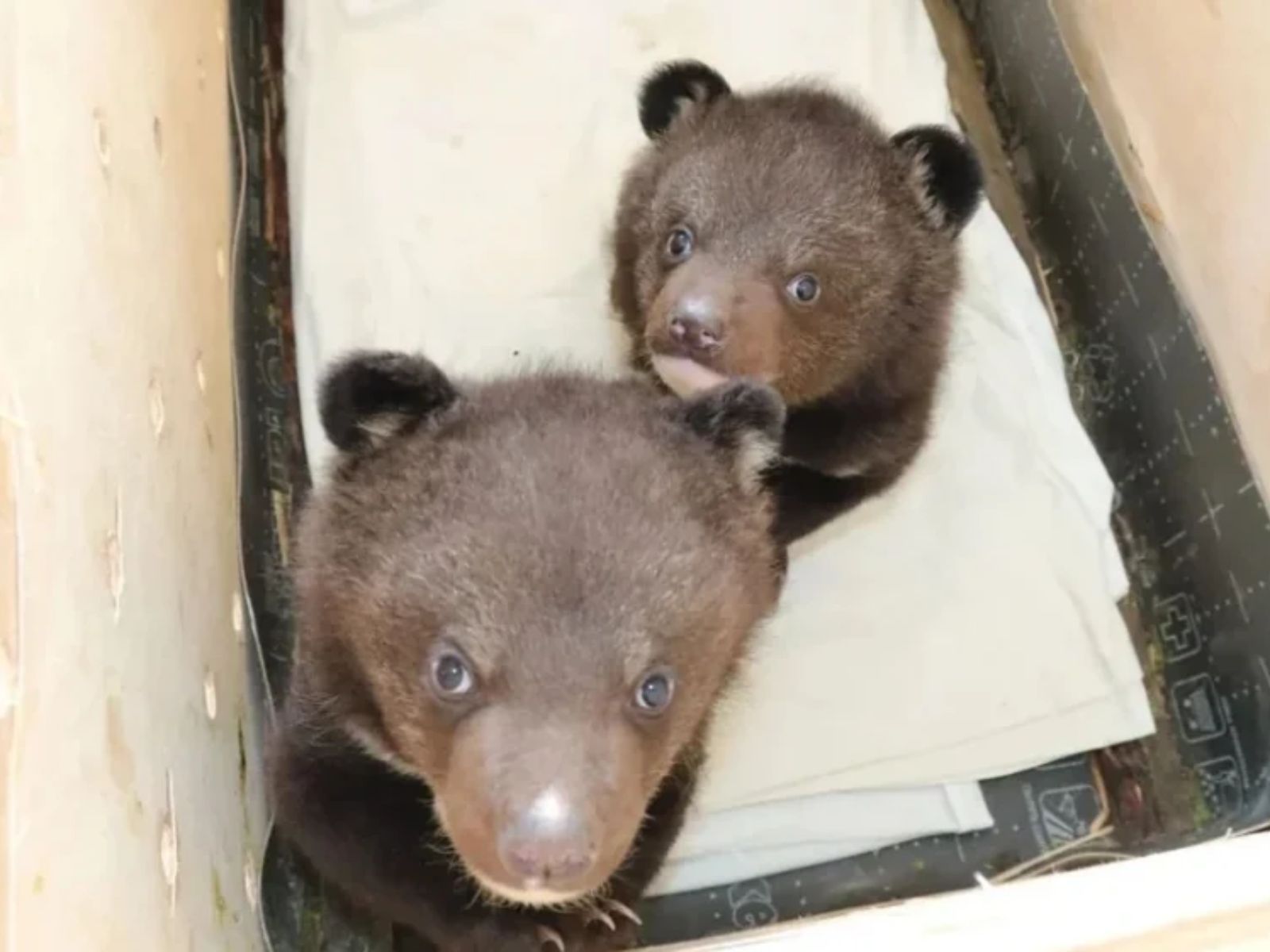
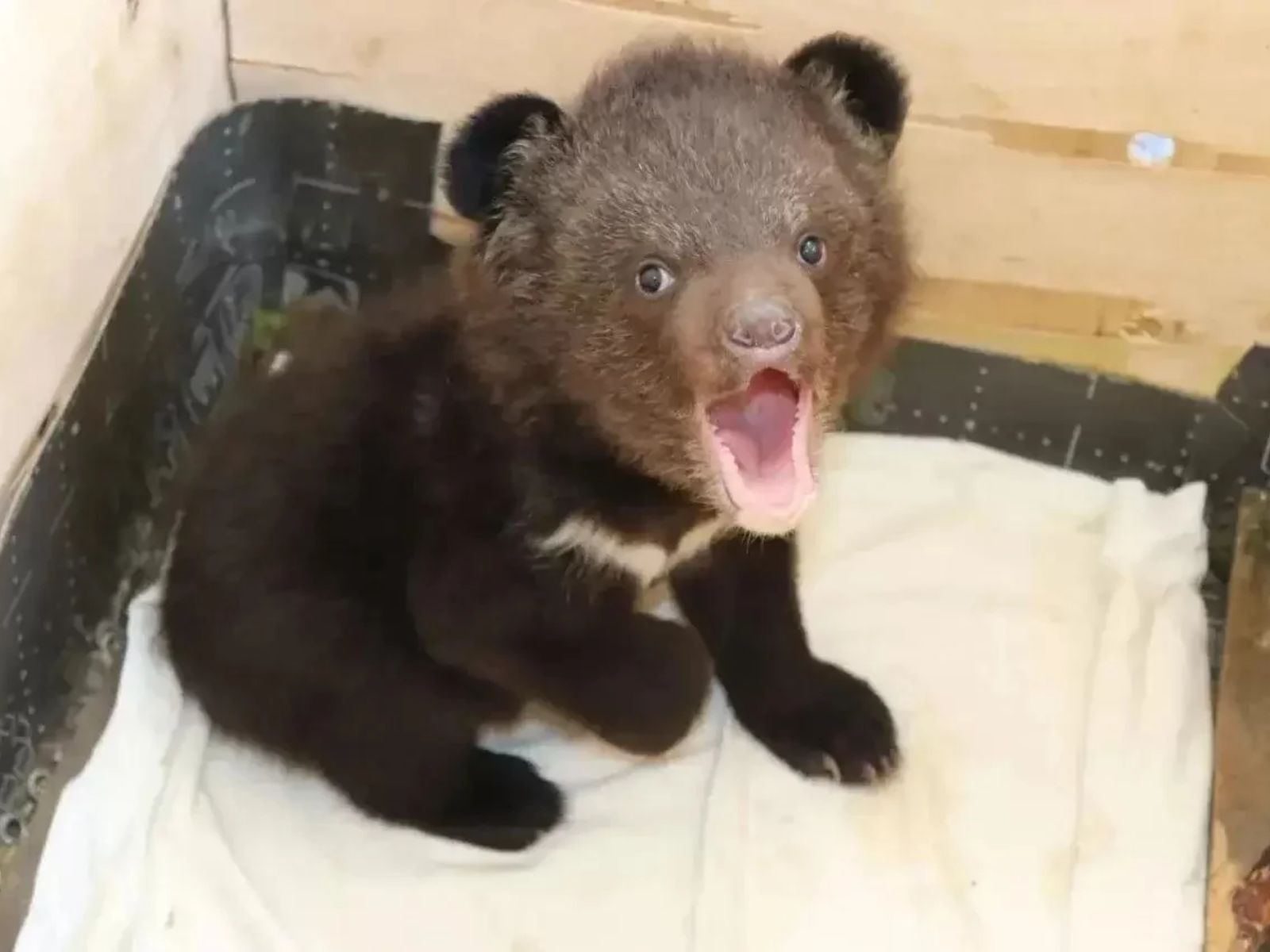
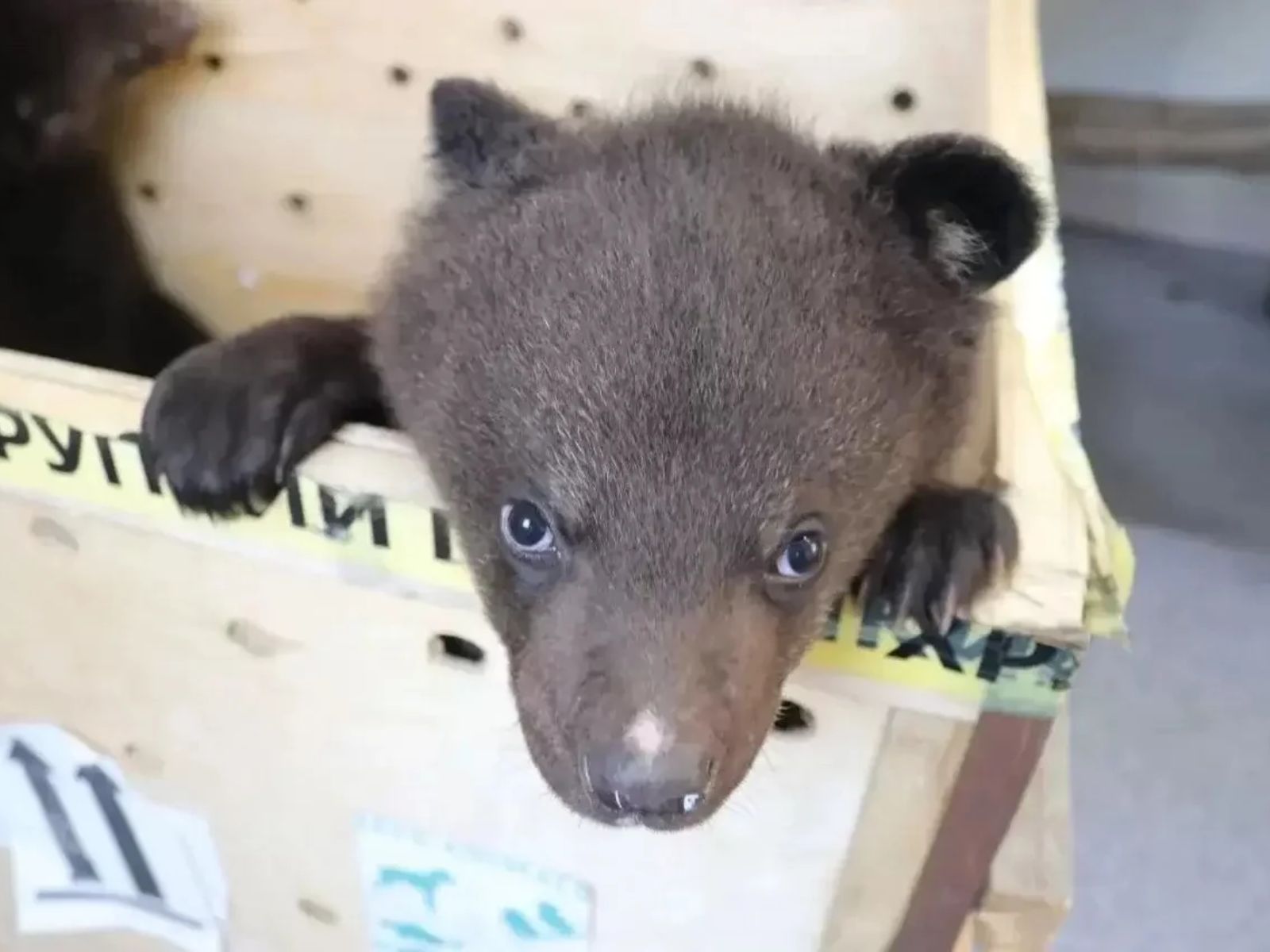
"They were supposed to be returned to the wild in September. And now they are going to be killed!"
"I am currently gathering data on Himalayan bears and believe that a full investigation into the pressure on the bear population is urgently needed. We must compile all scientific data, all research, facts, and publish a book about it. This is the only way to convey the scale of this madness to millions of people."
"After that, we need to form a public campaign with an evidence base and demand the cancellation of winter bear hunting and the resolution of real ecological problems. I repeat: 9 out of 10 cedars have been cut down in the Far East, the situation is critical. And the bear, including the black Himalayan, has been made the scapegoat."
"© PAVEL PASHKOV"
Support the investigation
I am investigating the killing of bears: we must tell the world the truth about what is happening. I will publish a free book in Russian and English, examine the issue, and get to the truth. Support my independent investigation.
Support my workAncient Forest
I launched an independent project to protect Russia’s forests — an analytical research center focused on the scale of destruction of intact forests, wildfires, and the pressures threatening wildlife populations.
Explore the projectTFET Concept
I believe the global protected-area system must change and Territories of Full Ecological Tranquility (TFET) must be created. Wildlife needs refuges from human pressure! This is one of the key paths out of the planetary ecological crisis and toward preventing further ecosystem collapse.
Learn more