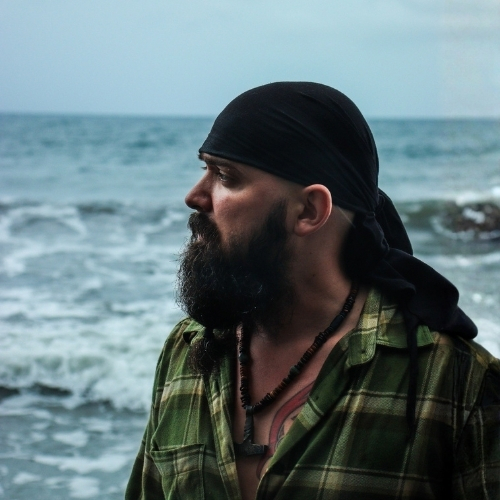
Almost exactly a year has passed since I became seriously ill with dengue fever at the edge of the world. That was how the distant jungle welcomed me—a researcher from the northern Russian Taiga! That was how our acquaintance began. And today we have returned to the very work we were unable to complete last year! I study ancient tropical forest ecosystems, compare them with observations from the boreal taiga, and we are preparing a major future project to promote our Concept of Territories of Full Ecological Tranquility (TFET) around the world.
I look at the last ancient tracts of wilderness that have not yet been destroyed by humans, and I understand just how important our fight is! The entire world must stand up in defense of Life, gather the fragments of untouched wilderness, and connect them into global refuges. This is necessary not only for animals and plants, but for all of us—for people!
After all, we are talking about our own habitat.
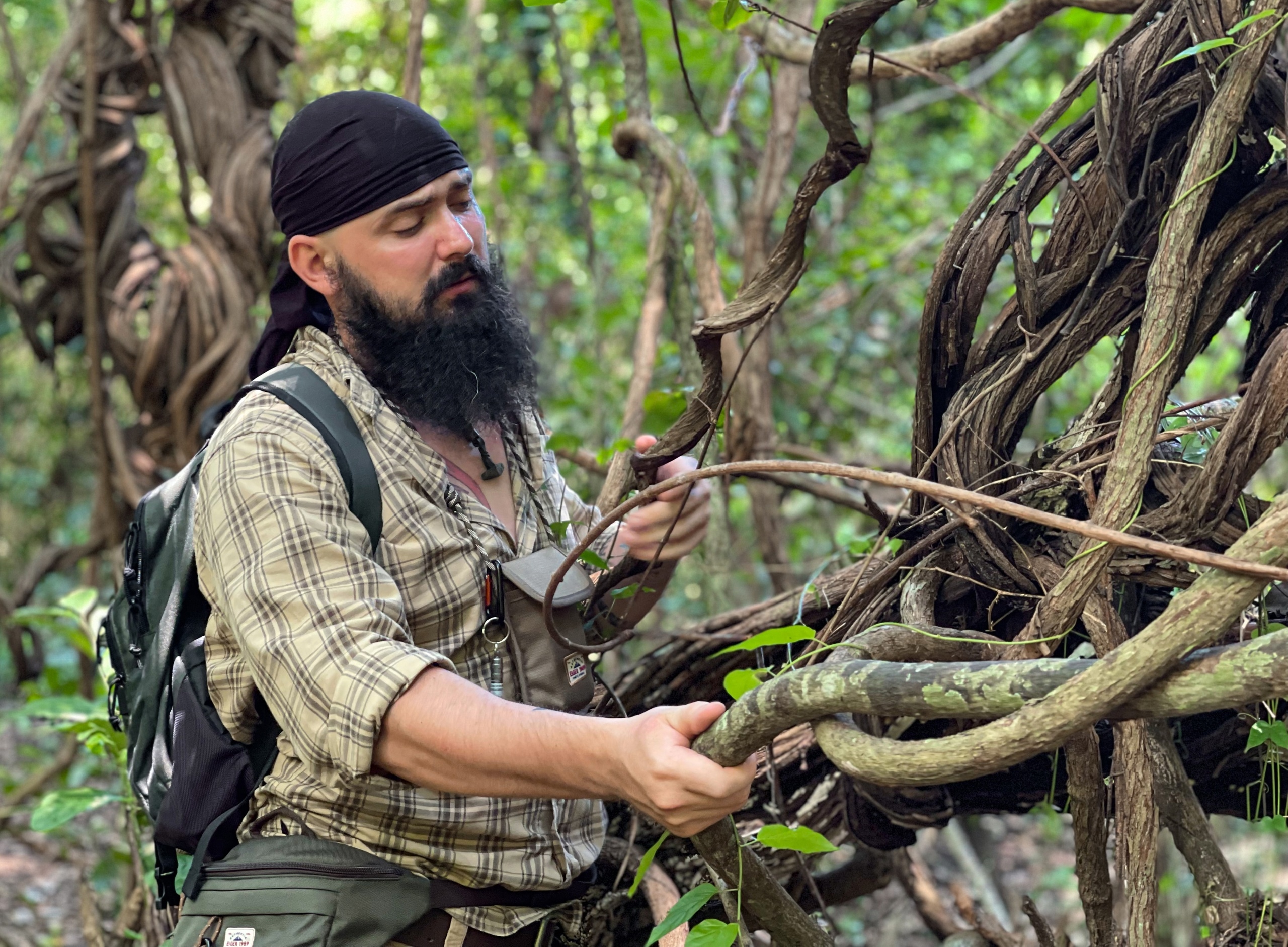
I will talk later about the work we are doing now, why we are doing it, and why it is so important. For now, we are keeping a great deal secret because we are not yet certain that we will actually be able to carry out the project!
And today, a year later, I want to talk about its consequences.
At that time, everything became tangled together for us—it was a chaotic period. On one hand, there were difficulties with our projects, relentless pressure over the difficult issues I had raised in defense of nature, my first research in conditions completely unfamiliar to me (the jungle), and then, on top of everything else, I came down with dengue fever.
I developed a severe form, what they call “dengue hemorrhagic fever,” with risks ranging from internal bleeding to dysfunction of vital organs. All of this is accompanied by a drop in blood pressure (shock), with the possibility of a fatal outcome!
Moreover, if you become infected again, it can increase the risk of severe disease; specialists call this phenomenon “antibody-dependent enhancement.” I had to study not only the scientific research, but also information from local residents very carefully! For them, this virus is new as well, but they have learned to deal with it using traditional methods—papaya leaf decoction came to the rescue, helping fight the fever.
Unfortunately, while I was studying scientific research in a severe condition, I experienced wave-like drops in blood pressure. Each time, this led to shock and clouding of consciousness.
Realistically, it took me at least a month to return to a more or less normal state. But after that, all of this began to turn into a chronic condition! Whenever I tried to return to difficult routes and study wildlife again, I quickly became exhausted; I had headaches, weakness, and difficulty concentrating. Sleep was also extremely difficult: it became restless and fragmented.
As I understand it, the reason was that the viral load and massive immune response ultimately caused a prolonged “overload” of the body, slowing its recovery.
At the same time, joint and muscle pain persisted, recurring periodically throughout 2024. As a result, we simply were physically unable to continue the practical field study of wildlife!
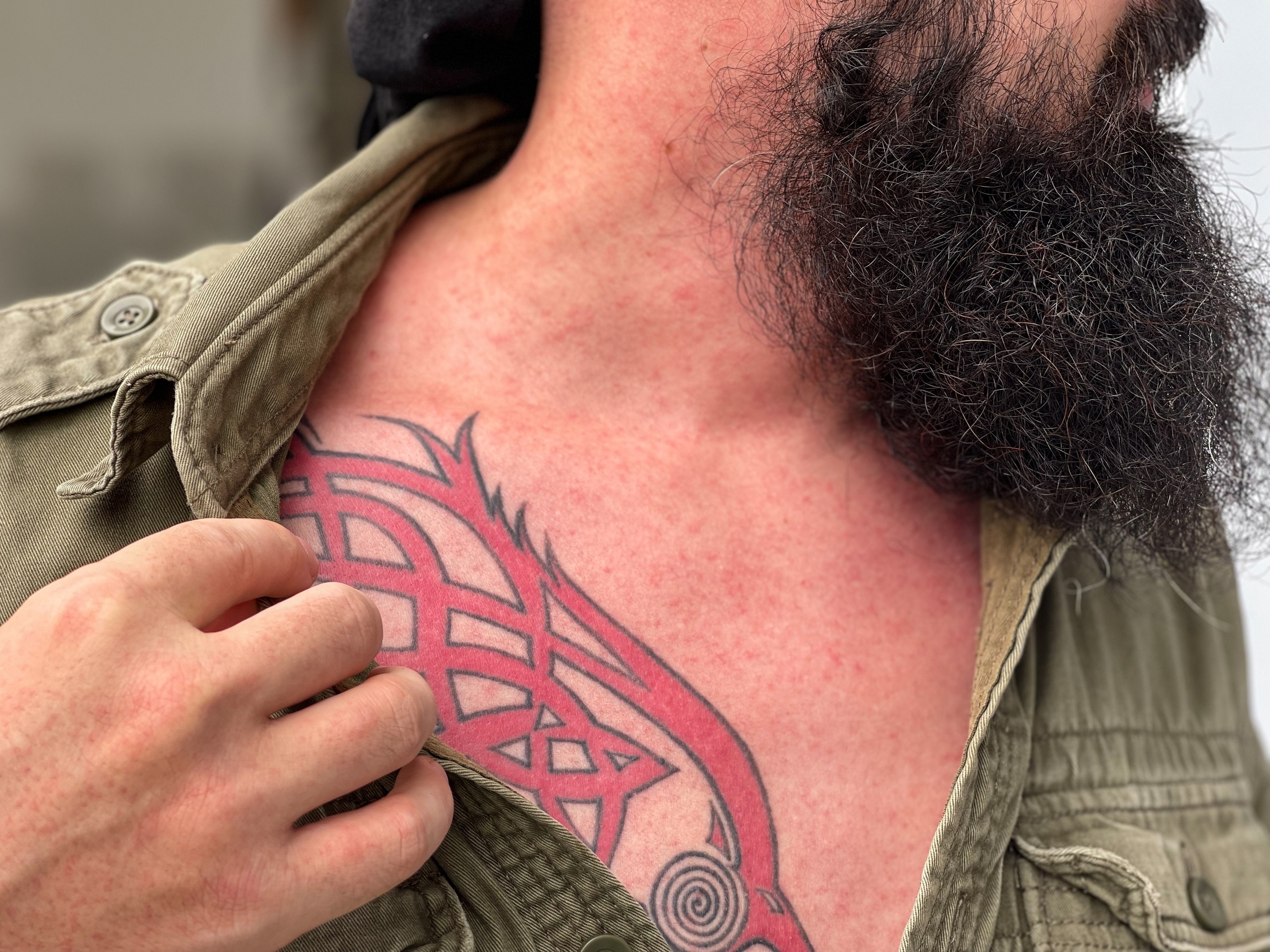
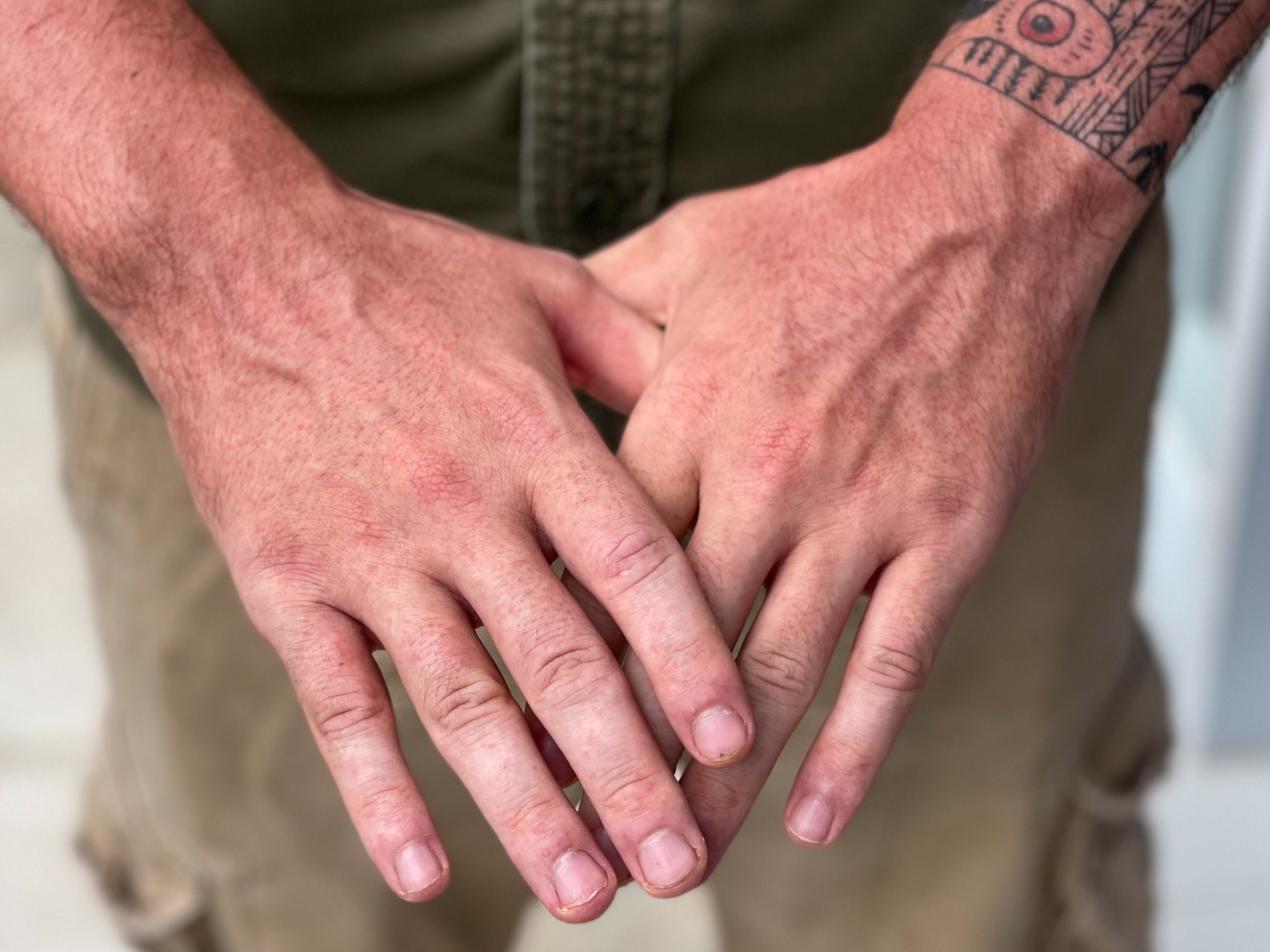
I had to restructure all of our projects—I turned to the theoretical study of environmental problems, began preparing the TFET Concept, and finished my new book at that time. Only occasionally were we able to go out again on short local routes, where I could study areas of wilderness that were new to me.
About three months after I recovered from the fever, even more serious complications began! The cardiovascular system was affected, apparently with persistent changes in the body. It was because of vascular disorders that the kidneys were affected.
As a good doctor later told me: “You were lucky that your organs were healthy!”
For those of my allies who may not know—I do not smoke or drink, and, as you have probably gathered, I lead a very active life. I am always on the road. I eat healthy food! The only thing I have always had problems with (and this is very serious) is sleep. Because of my work, writing books and articles, and studying numerous research papers in search of solutions to environmental problems, getting long, sound sleep has long been a luxury for me.
The kidney complications developed against the background of capillary leak—a phenomenon in which blood vessel walls become more permeable and plasma leaks into the interstitial spaces. In turn, this reduces the volume of circulating blood (hypovolemia) and, as a result, reduces blood flow to vital organs, including the kidneys.
In addition, during the hemorrhagic fever there was minor bleeding and clearly evident thrombocytopenia (a decrease in platelet count).
This, in fact, is what led to kidney dysfunction. After that, I spent another approximately 3–4 months restoring the vascular system, and that is a long and difficult process!
All of this knocked me out of my normal working rhythm for an entire year! Everything we were doing, all the work that continued, was almost always done on the last of my strength. It was such a prolonged stagnation, with the risk that I might never recover at all.
Back when I first came down with the fever and studied all the available data on the virus, I began putting together a treatment list in advance. I adjusted it throughout the year based on my own observations of my body!

Papaya leaf decoction—despite its bitter taste—became something I used regularly, allowing me to increase and maintain my platelet count. I also developed a dietary protocol based on foods that strengthen blood vessels! In particular, berry drinks made from our northern cranberries and lingonberries, which protect the kidneys and help with recovery.
I also created a separate herbal decoction for myself, which I still drink today, made from herbs I personally collected. I will share the recipe:
- Nettle leaves — help improve kidney filtration. Nettle increases hemoglobin and platelet levels, making it similar to papaya leaves (if papaya leaves are unavailable).
- Rose hips — support kidney function and the vascular system and are also a source of vitamin C.
- Rhodiola rosea — golden root from my native Altai, helps improve performance and reduce fatigue. A very powerful remedy that stimulates the body’s own immune system!
- St. John’s wort — I added a little at a time to the decoction; it reduces nervous tension and improves sleep.
I used all of these herbs as a dried herbal blend that I brew instead of tea. It has a pleasant taste, and if you add a spoonful of real honey, every herb, steeped in hot water, comes alive with all the aromas of nature!
The most important consequence of the fever that I still experience today is memory problems. Sometimes information slips away literally as I am taking it in, and sometimes it feels as though something important from long ago has been erased. This is critical for me as a writer and researcher because it affects my continued learning and self-development!
I will fight this.
WE CONTINUE THE JOURNEY.
A year has passed since the illness, and this year became a difficult experience for me, a trial. It is a great shame that we lost so much time. I have now returned to the jungle, and this time—it accepted me. I have fully recovered, I can easily handle difficult routes, and we are doing everything we can to make up for lost time and accomplish what we must.
A few days ago, I reviewed the results of the past year, and you know, despite all my difficulties—we were able to accomplish a great deal together! We restructured and adapted. In the summer, we managed to stop dangerous bills from being passed, addressed problems, and continued the fight.
Now we need to keep moving forward.
Most importantly, the Concept of Territories of Full Ecological Tranquility (TFET) was developed and launched. It will become the foundation of our further fight! Right now, I need to gain practical experience studying the jungle, expand and confirm the knowledge I acquired earlier. All of this is absolutely essential for moving to the next stage of the fight!
You have probably noticed that I have repeatedly written about my uncompromising position on modern methods of wildlife protection around the world! Having devoted more than ten years to studying environmental problems, I can say with confidence that the only real plan to confront the global destruction of Earth’s Biosphere is the mandatory creation of refuges for the last untouched areas of wilderness, integrating them into unified ecological complexes!
And yes, this will also require a change in the economic model. This is probably the most difficult part, because governments do not want to give up the old world or the sources of profit that already exist.
But how can this be achieved? Today, even the subject of protecting nature is attracting less and less public interest.
We need a project capable of drawing the attention of millions of people around the world to the destruction of the Biosphere all at once, and then that attention must be directed toward concrete proposals for solving these problems!
Today, we have those proposals! The next step is to draw the entire world’s attention to our fight and try to achieve the first global changes!
We are preparing such a project. If everything works out, perhaps we will be able to announce its launch as early as this year! It will be a difficult journey lasting several years and spanning the entire world.
© PAVEL PASHKOV
Support the fight!
The hardest thing in our time is to remain independent from government and business! All activities are carried out independently. Stand with us and support our Mission to protect wildlife.
I want to support!Get involved
On an ongoing basis, we launch public initiatives together to protect wildlife and achieve real change. Join this work and help change the world for the better.
Explore the initiativesTFET Concept
We are working to transform the global protected-area system — Territories of Full Ecological Tranquility (TFET) must be created. Wildlife needs refuges from human pressure! This is one of the key paths out of the planetary ecological crisis and toward preventing further ecosystem collapse.
Learn more
