
Unfortunately, evil is winning. There is some kind of unbelievable madness in systems of governance around the world: they tear, gnaw, and consume everything they can reach. Sometimes it feels as if fighting them is pointless. After all, they are strong; they possess enormous power, influence, and money. And for some reason, they pursue exactly the same goal — to destroy everything living around them, preferably in the most sophisticated ways possible.
Despite everything, I believe we must continue the fight for Life. Otherwise, our lives will be meaningless. We must change the world for the better and resist evil. That is all.
So, now to the subject of today’s material. In the United States, the authorities have again allowed animals to be killed with M-44 cyanide bombs — devices disguised as bait and filled with poison, which kill animals when they leave the wild in search of food and try to bite what humans have prepared for them.
After that, the device is triggered and ejects a dose of cyanide, and the animal dies in agony from a powerful dose of poison. Animals experience incredible pain; the poison disrupts a key enzymatic reaction necessary for cellular respiration, which leads to depression of the central nervous system, cardiac arrest, and severe respiratory failure. This is not a “quick and humane death”, but the classic picture of acute cyanide poisoning — suffocation at the cellular level.

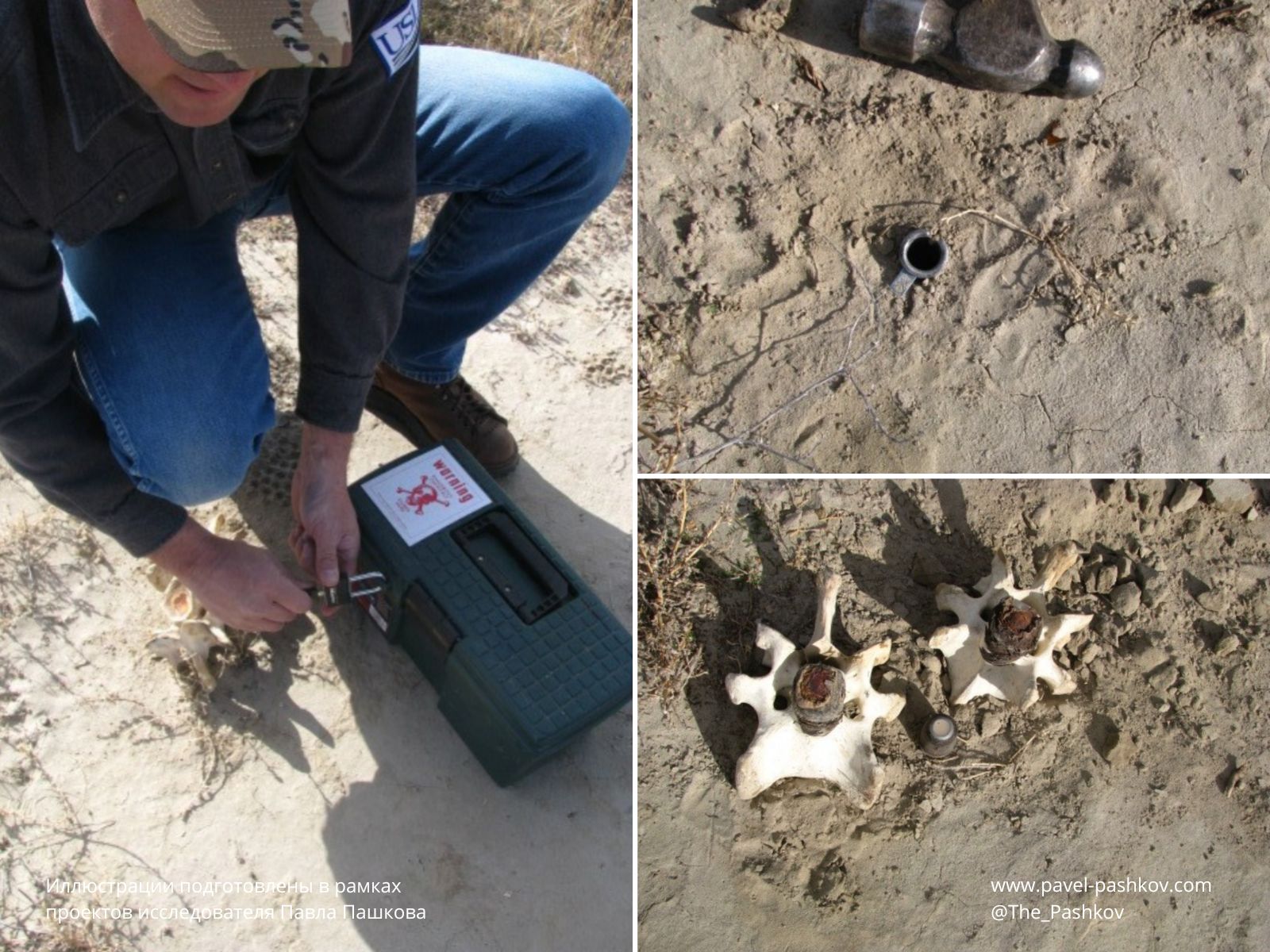
Moreover, the officials who introduced and lobbied for this convinced everyone that animals die quickly and painlessly. Yet in the Merck Veterinary Manual, I found information in which scientists directly describe cyanide poisoning in animals as involving excitement, rapid breathing and heartbeat, salivation, lacrimation, vomiting, muscle spasms, and severe convulsions before death. In other words, officials are simply playing with political euphemisms instead of saying plainly: we are introducing a law that will subject wild animals searching for food to an extremely cruel and painful death. These will be real tortures.
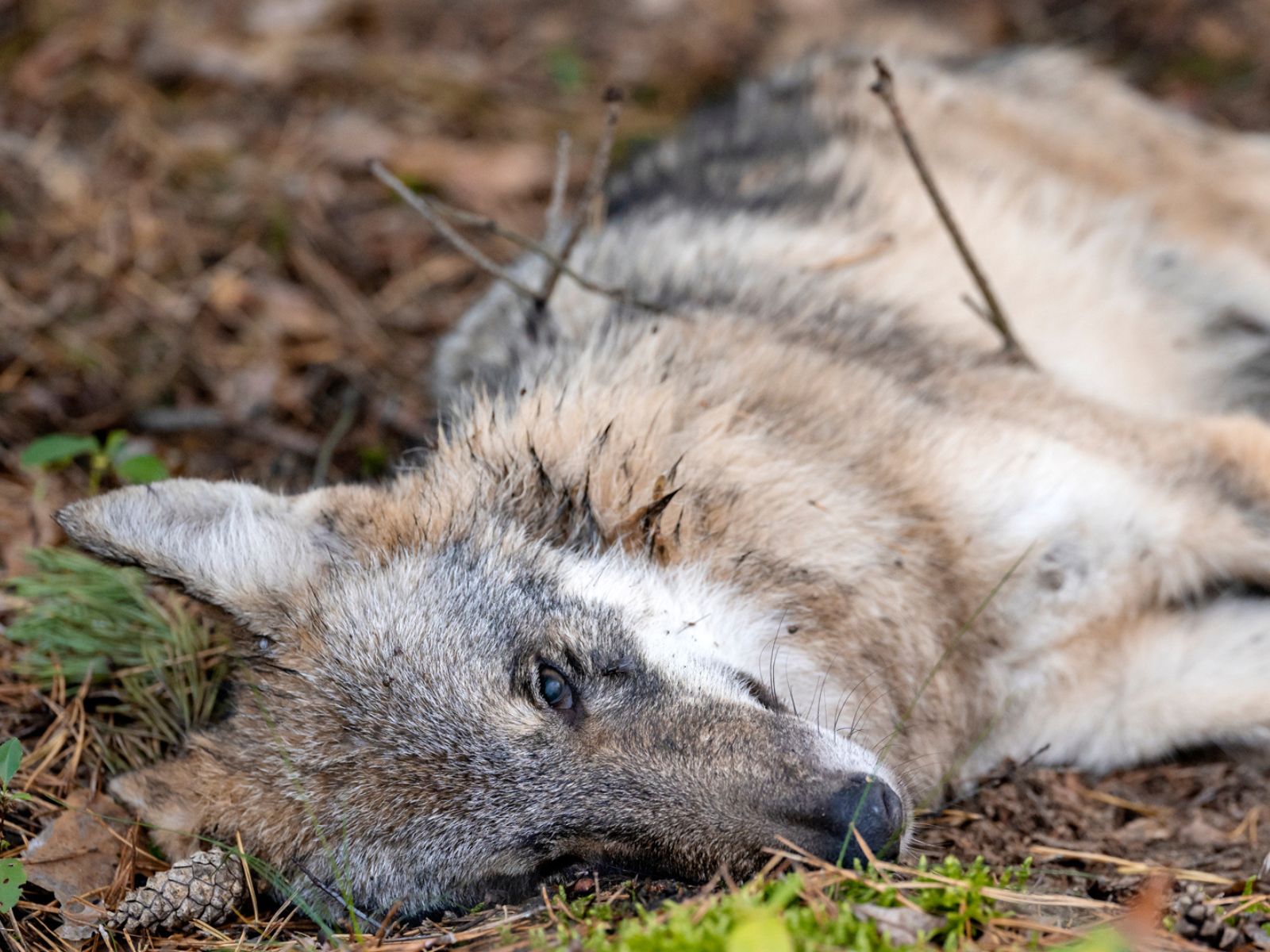
M-44 bombs filled with poison are designed so that wild animals activate the trigger mechanism while trying to eat the bait placed there. The device then forcefully sprays a lethal dose of cyanide into the mouth, after which the animal dies. It is said that such bombs will be used to kill various predators, supposedly to save livestock and protect farmers. In reality, scientists and conservationists in the United States are now trying to stop this, warning that M-44 is an indiscriminate weapon capable of killing almost anyone — including animals listed in the Red Book. Experts confirm this with real documented cases in which cyanide bombs killed wolves, black bears, lynx, and other animals for which the bombs were not originally intended. For example, when farmers claimed that coyotes had appeared in an area and were attacking sheep, bombs were placed under that pretext, and then other species of wild animals died from them.
Note, by the way, how powerful these devices are if they can kill even adult bears.
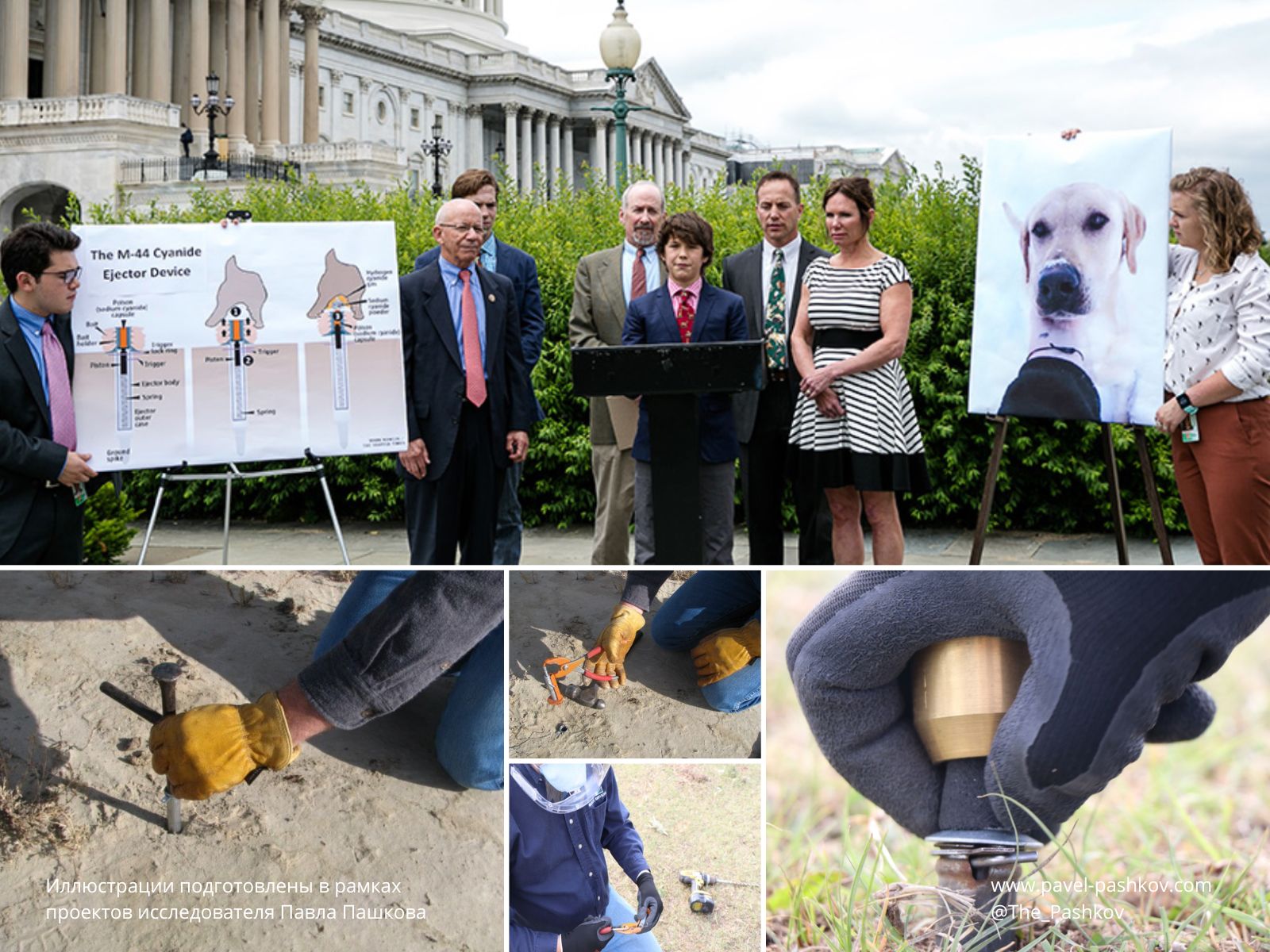
In addition, these bombs have previously injured domestic animals; conservationists report cases of pet dogs being killed while being walked by people. A child was also injured on public land in Idaho, and in another case, a local resident suffered long-term health problems after an M-44 was triggered.
All of this is covered, as I have already said, by the claim that predators are supposedly attacking livestock. Quite recently, a new scientific study was published — a major practical field study in which scientists refute this. I will remind you that attacks on livestock are the main argument used to justify the killing of wolves, for example. At the same time, as a rule, livestock losses are blamed on wild predators in order to obtain compensation from the authorities, while in reality new scientific studies prove the opposite.
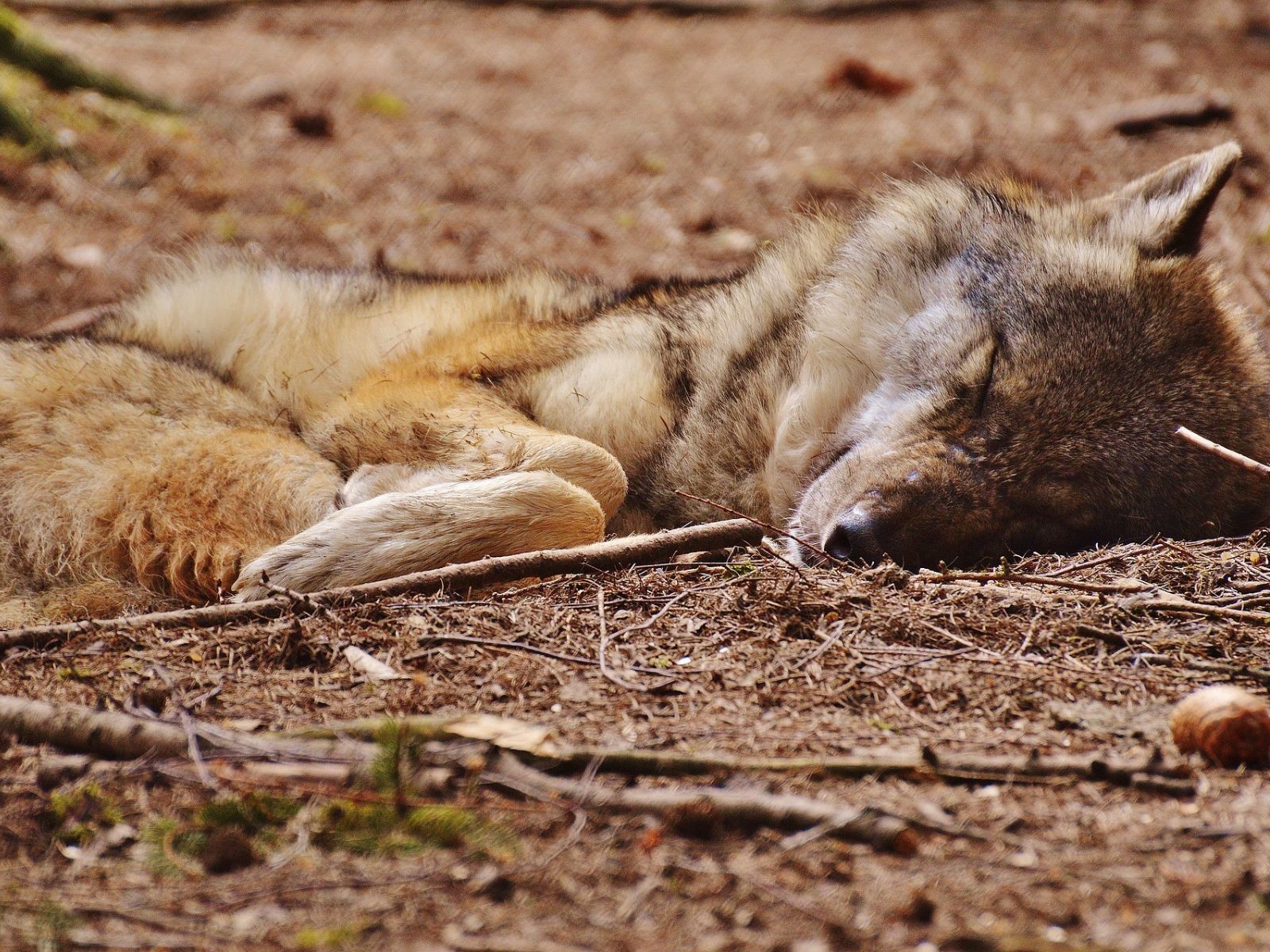
Look: in 2025, a group of scientists conducted a study in Poland, where approximately 4,000 head of cattle and horses grazed freely. Over two years of observation, with the confirmed presence of two wolf family groups, wild ungulates accounted for 81.9% of the consumed biomass in the wolf’s diet, wild medium-sized mammals for 14.5%, while domestic animals were consumed rarely; cattle contributed 3%, dogs 0.4%, and over the entire period only three calves eaten by wolves were found. Moreover, the authors of the study immediately emphasize that the calves most likely died on their own, while wolves, as sanitarians of wild nature, were simply cleaning up carrion. This is an acceptable level of mortality specifically among young livestock.
In other scientific works, researchers also confirm this and state directly that killing wolves for trying to find food near humans as a result of the destruction of their natural habitat is not a viable solution.
And, by the way, in one field study from Idaho, scientists confirmed over a seven-year project that the use of non-lethal measures toward wolves produced far better results than attempts to kill them. Sheep losses to wolves in the unprotected area were 3.5 times higher than in the protected area; in the protected area, losses amounted to 0.02% of the total number of sheep, and no lethal wolf control was carried out there. This is a very inconvenient fact for lobbyists: if non-lethal protection works, then returning to cyanide is a deliberate political choice in favor of simple violence instead of smarter and more labor-intensive protection.
In general, everything is as always and everywhere: simply crude decisions by those who understand absolutely nothing about biological systems and do not want to hear anything from scientists or qualified experts.
This is the situation in the United States right now: wild animals will again be killed with poisonous M-44 bombs; the decision has already entered into force. Scientists and the public are trying to stop it, just as we in Russia are also working to defend wild nature. They are actively working to protect wildlife. But so far, little is being achieved: the system refuses to change and follows the same crude logic — to destroy, break, and extract profit from anything at any cost.
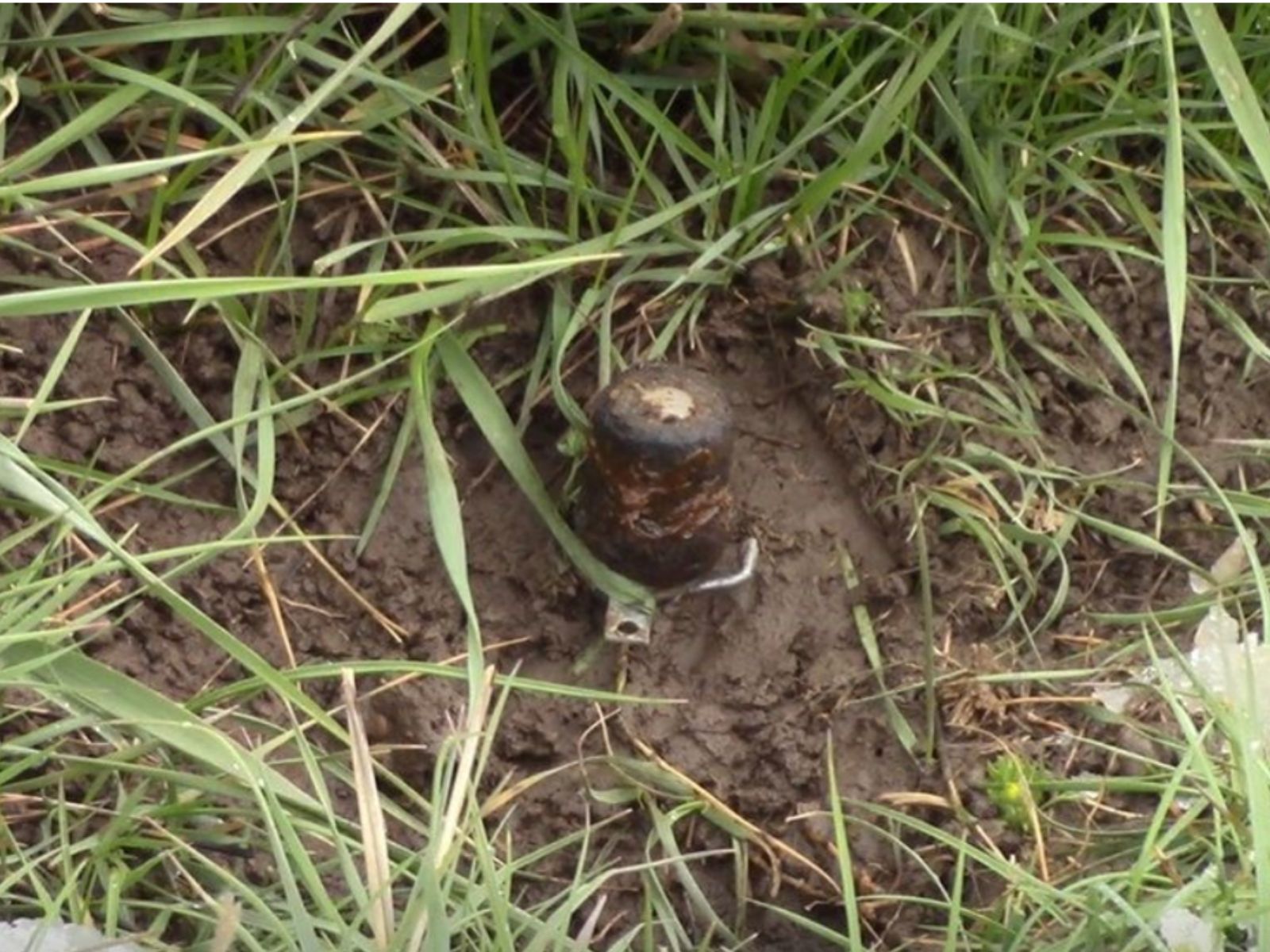

The problem of M-44 goes back a long way. The idea of killing animals with cyanide was first registered back in the 1940s, and M-44 itself was adopted in 1967. But as early as 1972, President Nixon signed Executive Order No. 11643, which prohibited the use of these bombs on federal lands and in federal programs. This was explained by the fact that the bombs were killing domestic dogs and injuring people across the country.
In the mid-1970s, the system began rolling the ban back. In 1975, a new law, No. 11870, again allowed the use of these bombs, supposedly on an experimental basis for up to one year. Notice how this is done? We also have many projects adopted as supposedly “temporary” measures so that there is no scandal and society gets used to them, after which they are simply extended and integrated into the system permanently.
Then another U.S. president, Reagan, in 1982 completely revoked Nixon’s ban, saying that it had been a mistake and that animals needed to be killed with poisonous bombs. In 1994, the authorities expanded the killing of animals with M-44 bombs and began actively using them across the country. Conservationists tried in 2007 to cancel the registration of M-44 through an official petition, because many scientific findings and facts had emerged confirming the extreme danger of such devices. The legal and administrative process lasted two years, and in January 2009 the authorities officially rejected the petition.
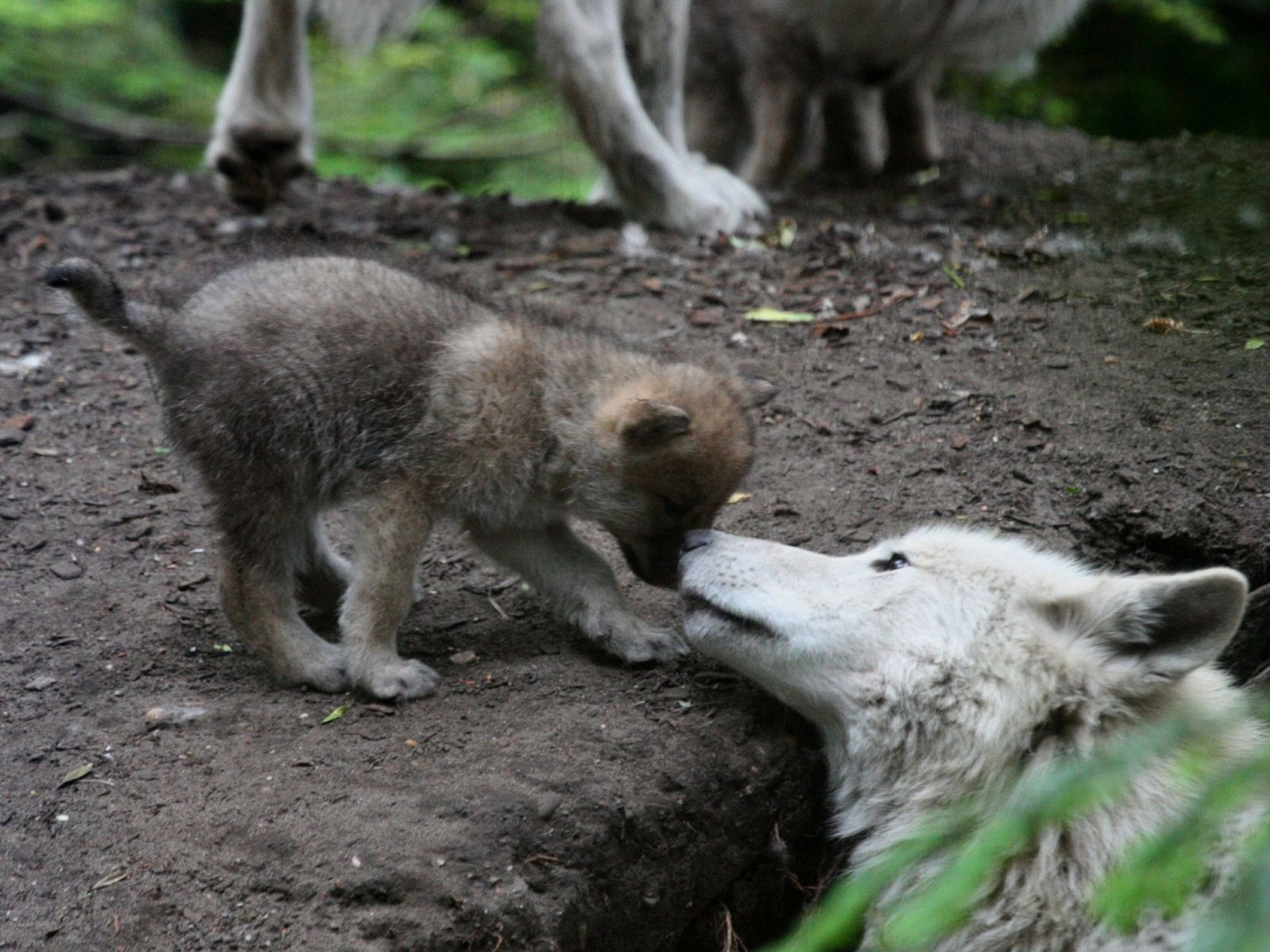
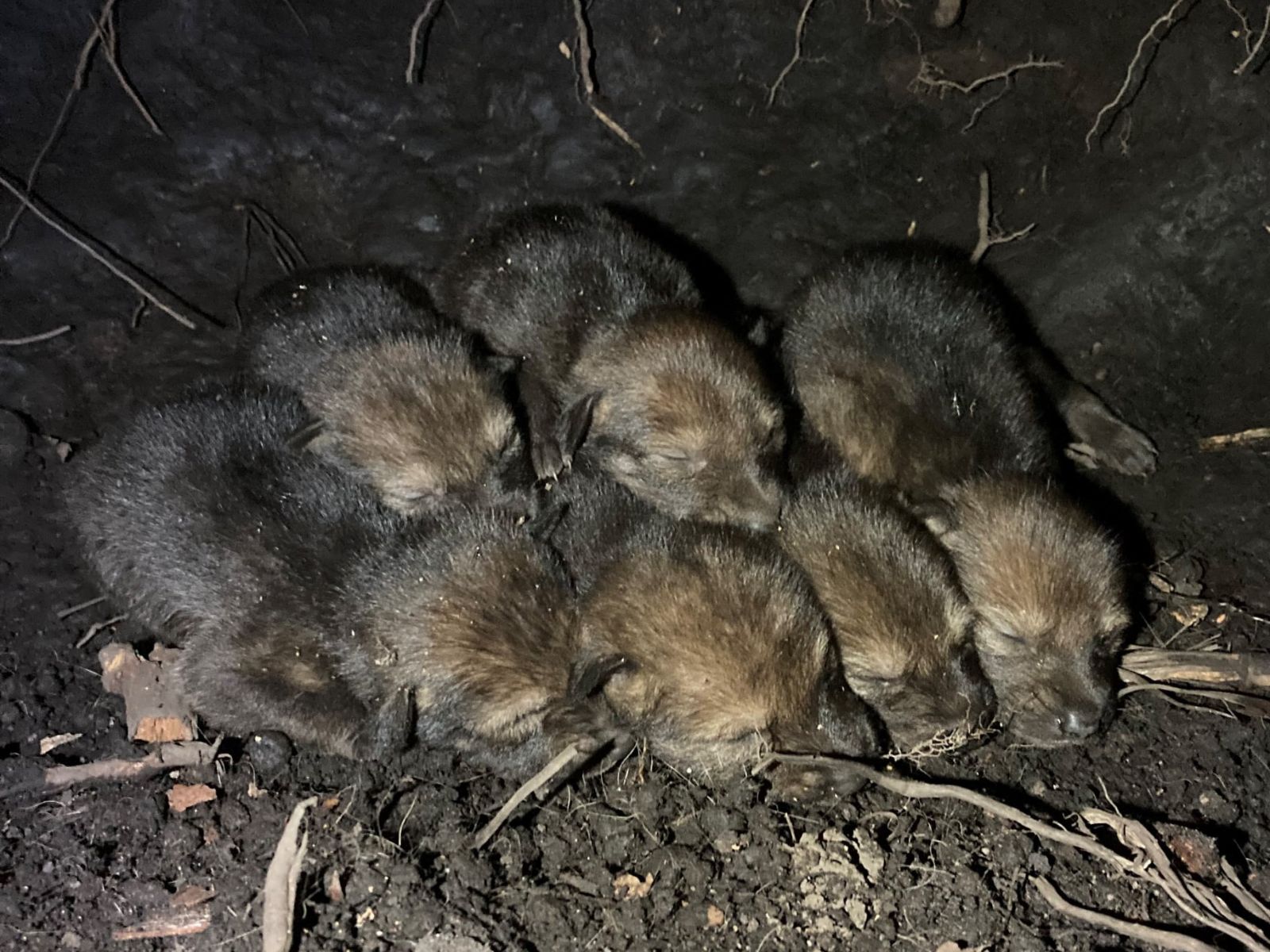
In 2011, the authorities again initiated consultation on M-44 bombs, because it had become impossible to restrain the scientific community — there were too many facts showing that these devices and the practice itself affect an unlimited range of protected animal species. In addition, all earlier materials claiming that the bombs allegedly posed no risks had long since become biased and easily refutable.
The reviews continued for many years, and in 2017 public pressure intensified in Idaho after people were injured by these bombs. In December 2018, the authorities published a proposal with updated restrictions — supposedly the devices would be used 600 feet from homes and 300 feet from public roads and trails, with stronger warning signs.
Under the Biden administration, in 2023 the agreement between agencies was changed, and M-44 cyanide devices were banned on federal lands in the United States — vast government territories, including grazing lands, desert and mountain areas, wildlife habitats, and recreation zones. The authorities officially announced this in February 2024. Society rejoiced; it seemed there was hope for change.
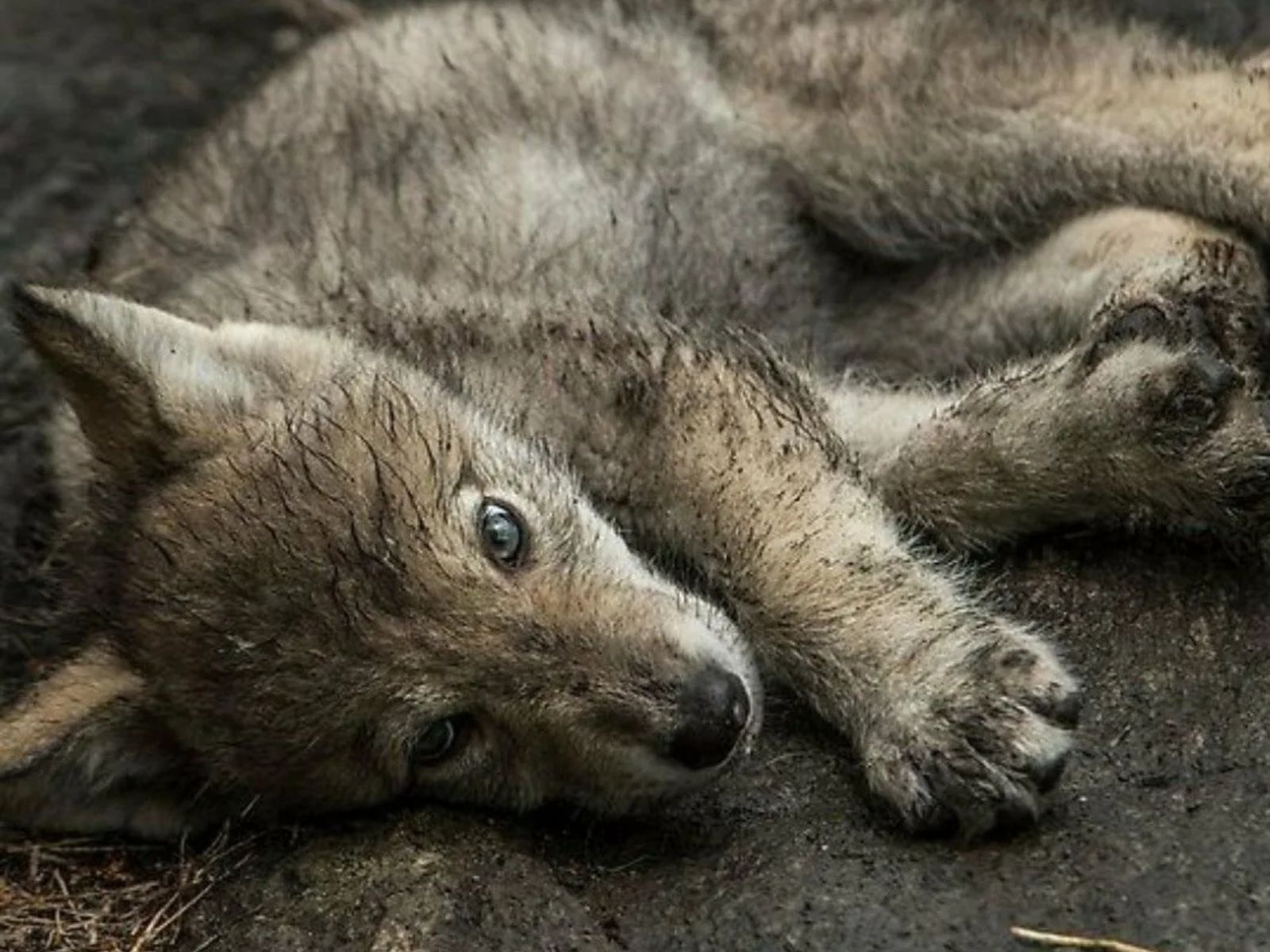
And now, in May 2026, the administration of Donald Trump is again effectively removing the previous ban, legalizing the use of M-44 bombs to kill wild animals on federal lands. Moreover, in federal documents the authorities themselves confirm that cyanide in M-44 poses a high acute risk to terrestrial vertebrates, including non-target and endangered species. In other words, they understand all of this, but the decision has still been made to use poisonous bombs across the country.
So what exactly has happened now?
On April 15, 2026, the Bureau of Land Management (BLM, U.S. Department of the Interior) issued a new interagency memorandum with USDA APHIS Wildlife Services. The document is published as “BLM-MOU-HQ230-APHIS-2026-05-1” / Memorandum of Understanding between the Bureau of Land Management and the Animal and Plant Health Inspection Service — Wildlife Services. The memorandum is valid until 2031.
What changed is this: under the Biden administration, in 2023, a direct ban was introduced on the use of M-44 devices that deliver sodium cyanide on federal lands, but the new memorandum of April 15 simply removed that ban. Now the “conflict management” service between humans and wild animals, called Wildlife Services in the United States, can again use poisonous devices, but it must first notify local BLM offices — the federal agency that manages vast public lands in the United States.
Thus, the direct ban has been replaced by a small bureaucratic procedure, after which the killing of animals with M-44 bombs can calmly continue.
From a scientific point of view, this is absurd: crude linear extermination of animals with a high risk to all species, including the rarest species on the brink of extinction. But as we can see, the system does not change and continues to follow the paradigm of “destroy at any cost”.
In Russia, we have a similar problem: wolves are being destroyed on an incredible scale. They are run down with snowmobiles, shot from helicopters, their dens are destroyed, and their pups are killed. In addition, wolves can be killed by methods of torture — leg-crushing traps and snares. Large bounties are paid for each killed individual, with budget money written off under the banner of fighting the “gray threat”.
Field scientists have defended wolves, spoken about the importance of protecting them, and called for change. But nothing helps.
We plan to launch projects to protect key predators of wild nature; we were supposed to start back in March this year. But because of enormous pressure, everything remains very difficult — financially and practically, we are not able to carry it yet. Conservationists are being pressured in every possible way so that people “do not interfere in matters that are not theirs”. How to fight this and how to protect ourselves is still unclear.
If we find the necessary resources, we will launch in the near future and try to change something. And good luck to our allies — conservationists on another continent — in their fight against the madness unfolding there right now.
© PAVEL PASHKOV
Support the fight!
The hardest thing in our time is to remain independent from government and business! All activities are carried out independently. Stand with us and support our Mission to protect wildlife.
I want to support!Get involved
On an ongoing basis, we launch public initiatives together to protect wildlife and achieve real change. Join this work and help change the world for the better.
Explore the initiativesTFET Concept
We are working to transform the global protected-area system — Territories of Full Ecological Tranquility (TFET) must be created. Wildlife needs refuges from human pressure! This is one of the key paths out of the planetary ecological crisis and toward preventing further ecosystem collapse.
Learn more
