There are few places left on the planet where humans are absent. We have already colonized and relentlessly exploited almost every corner of the Earth. And when you try to explain this to people, they literally react with anger and hatred, ready to tear you apart for “wrongthinking.” The overwhelming majority sincerely believe that without us, all wildlife would have died out long ago. We are told that if wolves are not exterminated, they will multiply so much that in the end they will devour all life in the wild and destroy humanity.
We constantly hear:
“Dangerous vicious monsters, they must be killed”
“They can spread diseases, so let’s wipe them out completely as soon as possible”
“You understand nothing, humans are part of the wild! We must regulate all animals!”
Where has this human “regulation” of the animal world led us? I have written about it many times already. According to global scientists, over the last 45 years humans have wiped out more than 70% of the planet’s living species. A scientifically established fact. And this global ecocide continues.
Today I want to turn to a region where there have been no people for several decades. This is a real example from the animal world that we can rely on in the struggle for wildlife!
In this article I will speak not about rumors, but exclusively about scientific research. To prepare this piece, I had to study many works by specialists in order to understand: what exactly is happening in Chernobyl after humans left? Did wolves destroy all life in the wild? Are they already, poor things, eating each other there?
LIVING CHERNOBYL
In 1986, a fire broke out at the Chernobyl Nuclear Power Plant, followed by an explosion. Radioactive particles were released into the air, and thousands of people were evacuated from the affected zone.
Since then, humans have not “inhabited” the area. They do not intrude into the wild, and they do not disturb its inhabitants.
Several decades later, scientists from around the world asked the question: what would happen to wildlife now?
Numerous studies were conducted, and it turned out that the local fauna is full of life. Herds of animals are everywhere, and even species that had not previously been observed there have appeared. The Chernobyl Exclusion Zone has become a refuge for animals that found sanctuary on contaminated land.
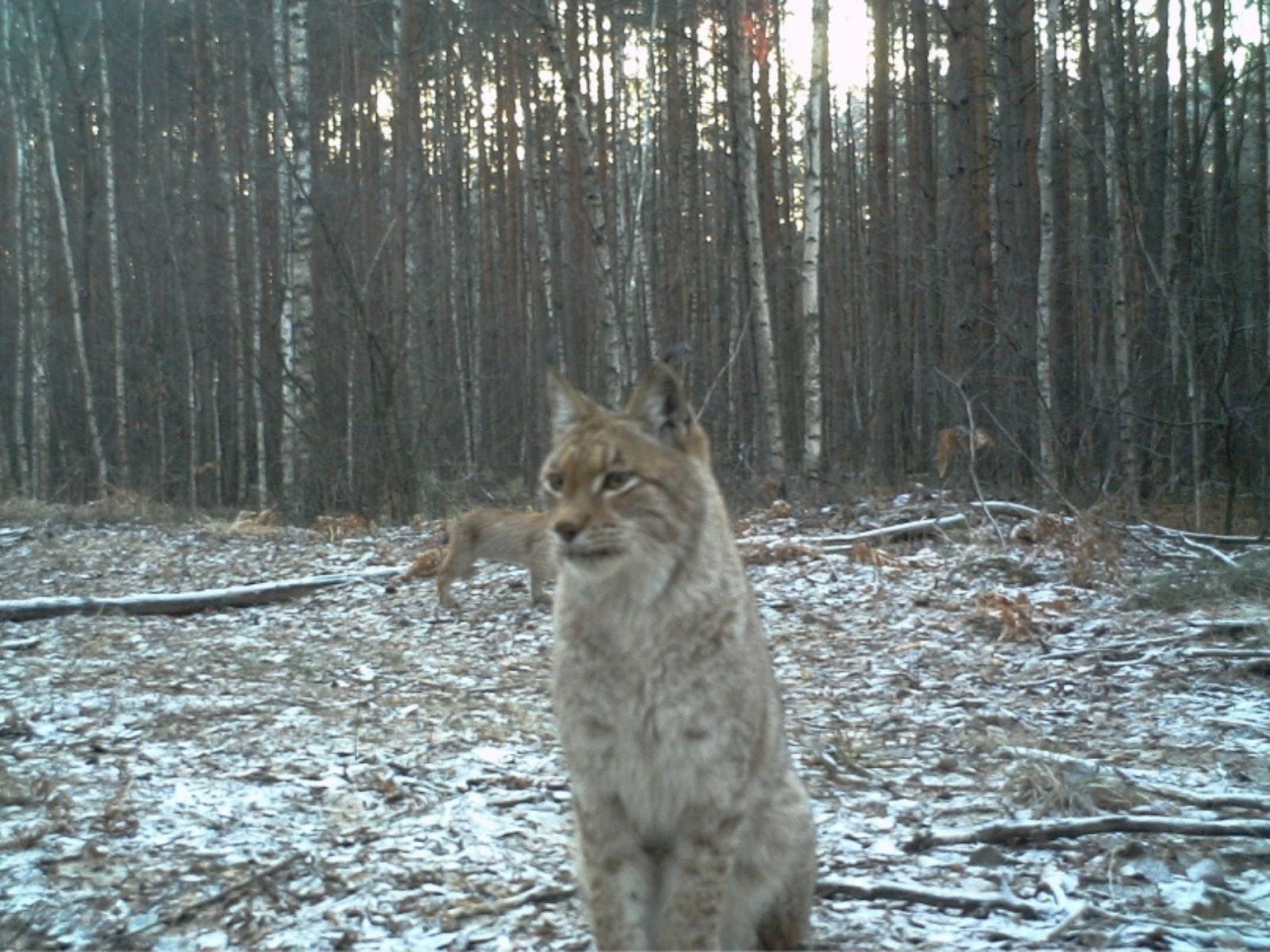
I would like to refer to a scientific report published on October 5, 2015, in the journal “Cell Press.” This is an authoritative international publication that publishes biomedical research.
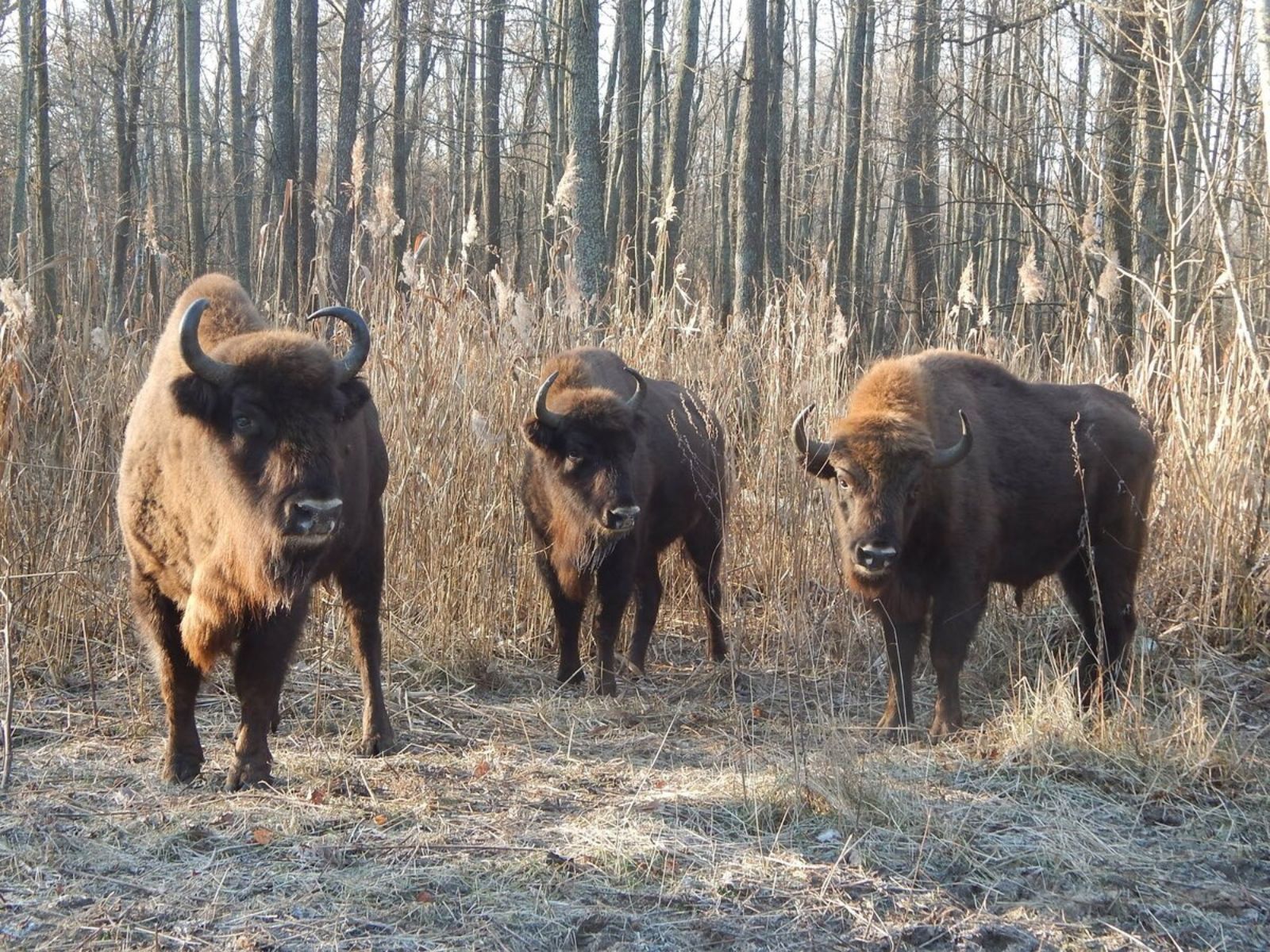
The scientists note that the Chernobyl Zone has come to resemble a vast nature reserve. Large numbers of moose, roe deer, and herds of red deer! Wild boar are everywhere, along with full wolf packs and bears.
“This doesn't mean radiation is good for wildlife, just that the effects of human habitation, including hunting, agriculture, and forestry, are a lot worse,” says one of the study’s authors, Jim Smith of the University of Portsmouth in the United Kingdom.
An interesting point of view, isn’t it? After conducting the research, the specialist is literally saying that human activity, sport hunting, and forestry are far worse for the animal world than radioactive contamination.
Earlier studies had already been carried out in the Chernobyl Zone. The first data suggested a decline in wild animal numbers. In other words, radiation was killing and burning out all living things. But time passed, scientists returned, and found that animals had managed to adapt and nature had recovered.
It is interesting what scientists say about wolves: they counted seven times more of them there than in four uncontaminated nature reserves in the region. The populations are stable, the packs are complete. At the same time, the wolves did not eat all the moose, roe deer, and red deer. On the contrary, all animal species are healthy and intact; populations are not shrinking, but growing.
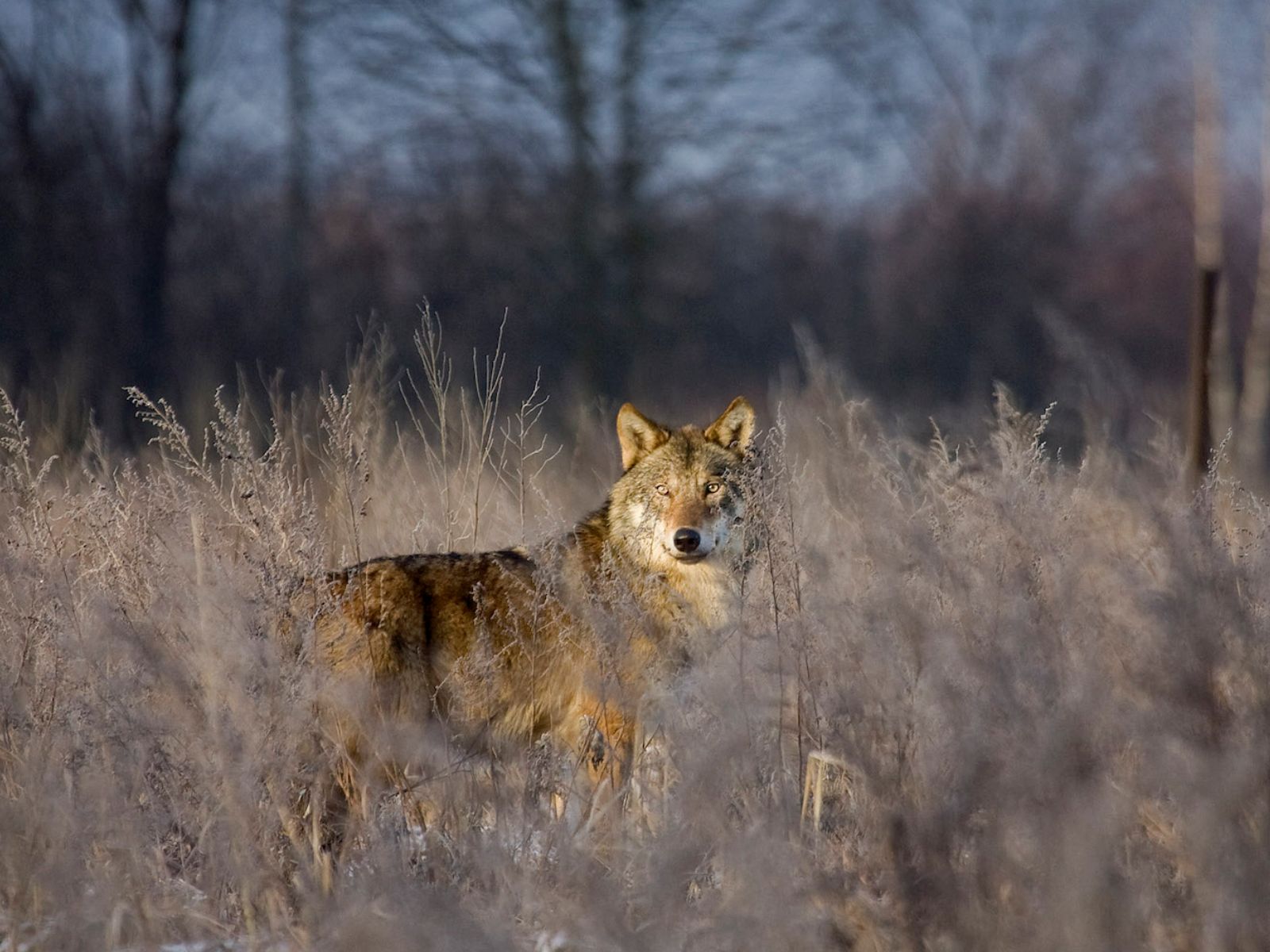
“These results demonstrate for the first time that, irrespective of the potential effects of radiation exposure on individual animals, the Chernobyl Exclusion Zone supports an abundant mammal community after nearly three decades of chronic radiation exposure,” the scientists say.
At the same time, they also noted that while populations were increasing in the Chernobyl Zone, moose and wild boar numbers were declining elsewhere in the USSR.
I should note that scientists from around the world worked on this study. Tatiana Deryabina of the Polesie State Radioecological Reserve of Belarus, which is located not far from the Chernobyl Nuclear Power Plant, says:
“I have worked studying and photographing the remarkable wildlife in the Chernobyl area for more than 20 years and am very pleased that our work is attracting an international scientific audience.”
The position of another co-author of the studies, Jim Beasley of the University of Georgia, is also interesting:
“These unique data demonstrating a wide array of animals thriving within a few miles of a major nuclear accident illustrate the resilience of wildlife populations when they are freed from the pressures of human settlement.”
But let us go further. After the recovery of populations of animals that had already lived in the Chernobyl Zone, other scientists carried out additional studies. It turned out that even species that had long been absent had appeared there.
Specialists recorded growth in populations of white-tailed eagles, American mink, and Eurasian otters. They were captured on camera. The data were published in the journal “Food Web”; according to the study, many animals came to the contaminated lands because of the influx of large amounts of nutrient-rich aquatic resources.
Do you remember I wrote about the relationship between bears and salmonid fish? People see fish and bears, and the thinking of the majority is limited to “the bear ate a fish.” Authorities may even say that bears have “gone too far, there will be no fish left because of them.”
In reality, bears are closely linked to river ecosystems when catching fish, and they transfer nutrients from marine ecosystems to terrestrial ones. Specifically from marine ecosystems, because salmon come into fresh river waters from the sea.
So, scientists documented in the Chernobyl Zone the effect of many animals returning because of the growth of nutrient resources along the banks of local rivers. To prove this, specialists conducted practical experiments: they placed fish carcasses on the banks of the Pripyat River, as well as in nearby channels, imitating natural processes. In other words, when the river washes dead fish carcasses ashore.
Within a week, 98% of all the fish had been eaten by the scavengers of the wild.
“This is a high rate of carcass removal, and given that all our carcasses were consumed by terrestrial or semi-aquatic species, it confirms that the movement of food resources between aquatic and terrestrial ecosystems happens more often than is generally assumed <…> We tend to think that fish and other aquatic animals remain within the aquatic ecosystem. This study shows us that if a reasonable proportion of dead fish reaches the shore, there is an entire group of terrestrial and semi-aquatic species that transfer those aquatic nutrients into the terrestrial landscape,” says study author Peter Schlichting, a research associate at Arizona State University.
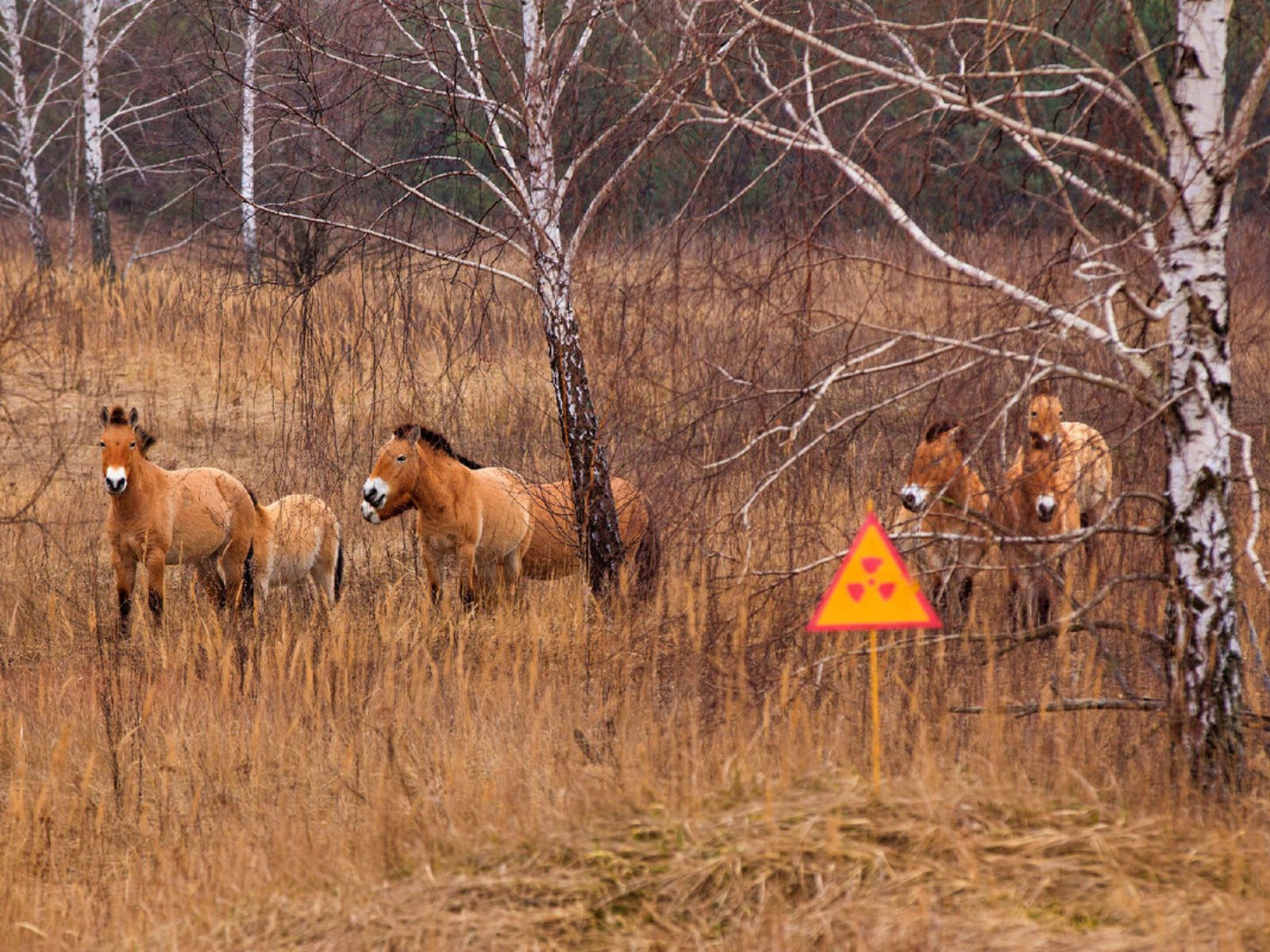
In general, numerous studies have been conducted in the Exclusion Zone; this land now attracts scientists from all over the world. For example, in 1990 specialists introduced several Przewalski’s horses here, a species on the brink of extinction globally. Now around 150 wild horses are thriving on this land.
According to specialists, the population could easily increase to 300–500 individuals and spread to other territories, moving beyond the Exclusion Zone.
I would like to draw special attention to wolves. They are exterminated all over the world simply for existing. In Russia, authorities pay up to 50,000 rubles as a bounty for each wolf killed; we are constantly told that this is necessary. That if wolves are not exterminated, including by methods of torture, they will multiply so much that they will inevitably consume everything living in the wild.
And this is EXACTLY what we are pointed to.
So why did wolves not eat all the animals in the Chernobyl Zone? Why did the population become SEVEN TIMES LARGER than in other reserves of the region, with no decline in wild animal numbers being observed? Wolves coexist perfectly with everyone else, and there are no problems.
Scientists from the University of Missouri conducted research and observed wolves in the Exclusion Zone over a long period. They were able to document that young wolves interact with other populations, and this may lead to the restoration of wolf packs in other protected areas.
The point is that the extermination of wolves continues on a colossal scale. And scientists hope that the Exclusion Zone will allow populations to persist and create “self-recovery points” for wolf packs in the future.
“We can speculate that other young wolves may also disperse into the surrounding areas, suggesting that the Zone may act as a source that can augment the surrounding population, assuming that wolves leaving the Zone can successfully navigate the surrounding landscape. Given the abundance of wildlife in the Zone generally, this may also apply to other species, underscoring that the Zone may play an important role in regional conservation. The positive effects of the Zone as a refuge may therefore extend beyond its boundaries, and this represents an interesting avenue for future research,” says study co-author Michael Byrne, assistant professor in the School of Natural Resources at the University of Missouri.
I would also like to turn to a study by scientists from Princeton University, who carried out genetic research on wolves in the Exclusion Zone.
The scientists were interested in why the wolves were not developing cancer. Radiation levels there exceed the acceptable human limit by six times. Since 2014, specialists have been conducting research: they fitted wolves with GPS collars equipped with dosimeters to measure radiation, and also collected blood samples.
It turned out that over several generations, the wolves had developed genetic mutations. These mutations protect the populations from radiation exposure and cancer.
THERE IS NO REASON TO REJOICE
Many readers, after reading this, would probably say how wonderful it is that animals are recovering. Hunters say exactly the same thing. Right now, caravans are being drawn into the Exclusion Zone—not only poachers, but also organized mass sport hunting. Entirely officially.
Let us open the website of the Polesie Radiation Reserve.
Oh! It turns out hunting has long been allowed here!
“The Administration of the State Environmental Research Institution ‘Polesie State Radiation-Ecological Reserve’ (hereinafter – the Reserve) informs that Presidential Order of the Republic of Belarus No. 147 of August 7, 2019 ‘On the Provision of Hunting Grounds’ provides for the transfer of hunting grounds in the territory of the experimental-economic zone for free use by the Reserve for the management of hunting operations.
The total area of the Reserve’s hunting grounds is 63.3 thousand hectares.”
And hunting is not expensive at all—quite democratic prices!
“COST OF A PERMIT TO HARVEST A GAME ANIMAL:
Red deer. Adult non-trophy male (adult female) — 400.00
Red deer. Calf — 150.00
Red deer. Trophy male — 600.00
Moose. Adult non-trophy male (adult female) — 400.00
Moose. Calf — 200.00
Moose. Trophy male — 600.00
Wolf (for foreign citizens): — wounding — 150.00
— killing — 300.00”
As I understand it, wolf shooting is free for citizens of the country. The prices are probably in Belarusian rubles—the website simply says “ruble.”
Naturally, the radiation hazard of the kill is taken into account, and testing is included in the price:
“After the animal is harvested, a representative of the hunting operator (hunt leader – senior game manager, ranger) selects muscle tissue samples and delivers them to the accredited spectrometry and radiochemistry laboratory of the Reserve’s scientific department for instrumental determination of radionuclide content. The laboratory testing is carried out at the Reserve’s expense.
After the laboratory completes the research, a test protocol is issued, on the basis of which a decision is made regarding further use or disposal of the harvested product.
Meat products that have passed radiation control and meet the national permissible levels are handed over to the hunter, with payment for the permit to harvest the game animal made at the end of the hunting tour.”
There you have it. Once again, we are confronted with the fact that humans simply destroy everything living around them. You and I speak about life, about protecting nature. Scientists see ecosystems recovering and watch with reverence to see what will happen next.
Everyone else just wants to kill. And the future of the Exclusion Zone is not some reserve of blooming steppes and wild forests. It is a firing ground for the slaughter of wild animals under the slogan: “Chernobyl safari — recreation for real men, kill those who dared to survive.”
© PAVEL PASHKOV
Support the fight!
The hardest thing in our time is to remain independent from government and business! All activities are carried out independently. Stand with us and support our Mission to protect wildlife.
I want to support!Get involved
On an ongoing basis, we launch public initiatives together to protect wildlife and achieve real change. Join this work and help change the world for the better.
Explore the initiativesTFET Concept
We are working to transform the global protected-area system — Territories of Full Ecological Tranquility (TFET) must be created. Wildlife needs refuges from human pressure! This is one of the key paths out of the planetary ecological crisis and toward preventing further ecosystem collapse.
Learn more
