
It is extremely hard for wild animals to survive in the Russian Taiga today. Massive forest fires, forests drying out (a drop in groundwater levels), clear-cut logging, and the transfer of forests to “sport” hunting for entertainment! Just so men can run through the woods and shoot at living targets, as of today a third of all publicly accessible hunting grounds in the country have been transferred into private hands. The “cherry on top” has been draft laws aimed at abolishing specially protected natural areas across the country—measures they are actively trying to push through right now!
And how is a wild animal supposed to live if even its refuges—its protected sanctuaries—are being actively prepared for sale to the rich for “large-scale development”?
But people don’t stop there. “It’s the economy,” they say. “We have to make money.” They are stripping the Russian Taiga even of pine nuts—there is a real frenzy around this “taiga gold.” I have written about this before: how migrants are brought in by buses to clean out cedar forests to zero, and how this has already escalated into conflicts even among local residents! Everyone tries to grab at least a few sacks of nuts to sell later to shrewd Chinese buyers for export out of the country.
And at the end of 2025—literally just now—news came out: in 2025, exports of pine nuts from Russia to China increased 6.4-fold. The nuts are shipped out by the railcar, for real pennies, so that Chinese businessmen can resell packaged pine nuts at prices many times higher than what they paid our suppliers.
Meanwhile, for domestic buyers our “homegrown” traders jack prices up to absurd levels—as if they are selling actual gold! So we increased cheap exports to China more than sixfold to boost the economy of the Celestial Empire, while profiting off our own citizens by pushing pine nuts at grossly inflated prices.
And for this, they are literally tearing apart the last forest reserves, taking them away from wild animals. They do not let animals survive through harsh winters, condemning them to death by starvation. In autumn 2025 in Yugra, one pine-cone collector shot another—both were gathering cedar cones near Surgut. Earlier, in Altai Krai, four men attacked a 68-year-old cone collector, stealing 41 sacks of pine nuts. Near Tundrino (KhMAO), as I wrote before, migrant laborers are brought in by buses—they raid the cedar stands, push out local residents, strip the forest of pine nuts, and leave.
Let me remind you that the problem is visible even at the federal level. But they are in no hurry to solve it in practice! For example, at the end of August 2025 a full 50% export duty on pine nuts was introduced to limit exports. But it didn’t help. Member of the Federation Council Lyudmila Talabayeva says:
“Unscrupulous entrepreneurs send organized brigades of harvesters into the forests, who collect pine nuts from September to December in industrial volumes <…> without concluding forest-lease agreements and without paying taxes. And collectors often use ‘barbaric methods’—they break the tops of trees or climb the cedar using metal claws.”
And that’s because without real on-the-ground control, the taiga will continue to be plundered.
China pays—and people are ready to kill one another for it, just to sell pine nuts for pennies to the Celestial Empire. And against the backdrop of economic problems in the country, the number of those trying to make money off pine nuts grows every year! What a coincidence, right, that at the very moment of rising prices and economic turmoil, exports of pine nuts to China increased 6.4-fold over the past year?
And so wild animals go hungry. Cedar forests are a key part of the ecosystems of the Russian Taiga. When people strip cedar stands to zero, they take away animals’ ability to survive and feed themselves. These are mother trees; they form and sustain local biogeocenoses. Moreover, pine nuts have historically helped wild animals survive in especially lean years—an emergency reserve.
Does anyone think at all about the fate of wild animals? About our smaller brothers? Or are they ready to sell the Motherland for Chinese yuan?
I will quote Parliamentary Gazette, the official media outlet of our government:
“At present, Russians can collect pine nuts without restrictions. Many illegally resell them to commercial companies, and those companies send the product for export. As a result, there are not enough nuts for people and forest animals. In Primorsky Krai, the population of wild boar—whose meat is the main food for tigers—has dropped by 70 percent. As a result, tigers enter populated areas in search of food.”
These are the authorities themselves saying it—publicly and officially. They confirm the problem! And in the same breath they mention hungry tigers coming to people—tigers that some officials are actively proposing to shoot for approaching settlements, instead of eliminating the root causes.
That quote lays it all out clearly—how people strip the taiga of pine nuts, how they provoked the collapse of wild boar and the resulting predator crisis. And in fact, conflicts with tigers have already resulted in fatalities—both among people and among the tigers themselves!
Who will answer for these deaths?
What is there even to discuss when here are fresh figures: exports of pine nuts to China increased 6.4-fold in 2025. Nothing is being solved; the problem is becoming ever larger in scale! It is frightening to imagine how many animals are now struggling to survive through these freezing winters in our long-suffering Russian Taiga.
That is why during our expeditions for years we prepared not only thousands of feeder “balls” to save overwintering birds, but also bought up pine nuts so we could take them back—by the sack—into the wild: we place them in areas of ecological degradation, where people destroyed the forest, along logging sites and burned-out landscapes.
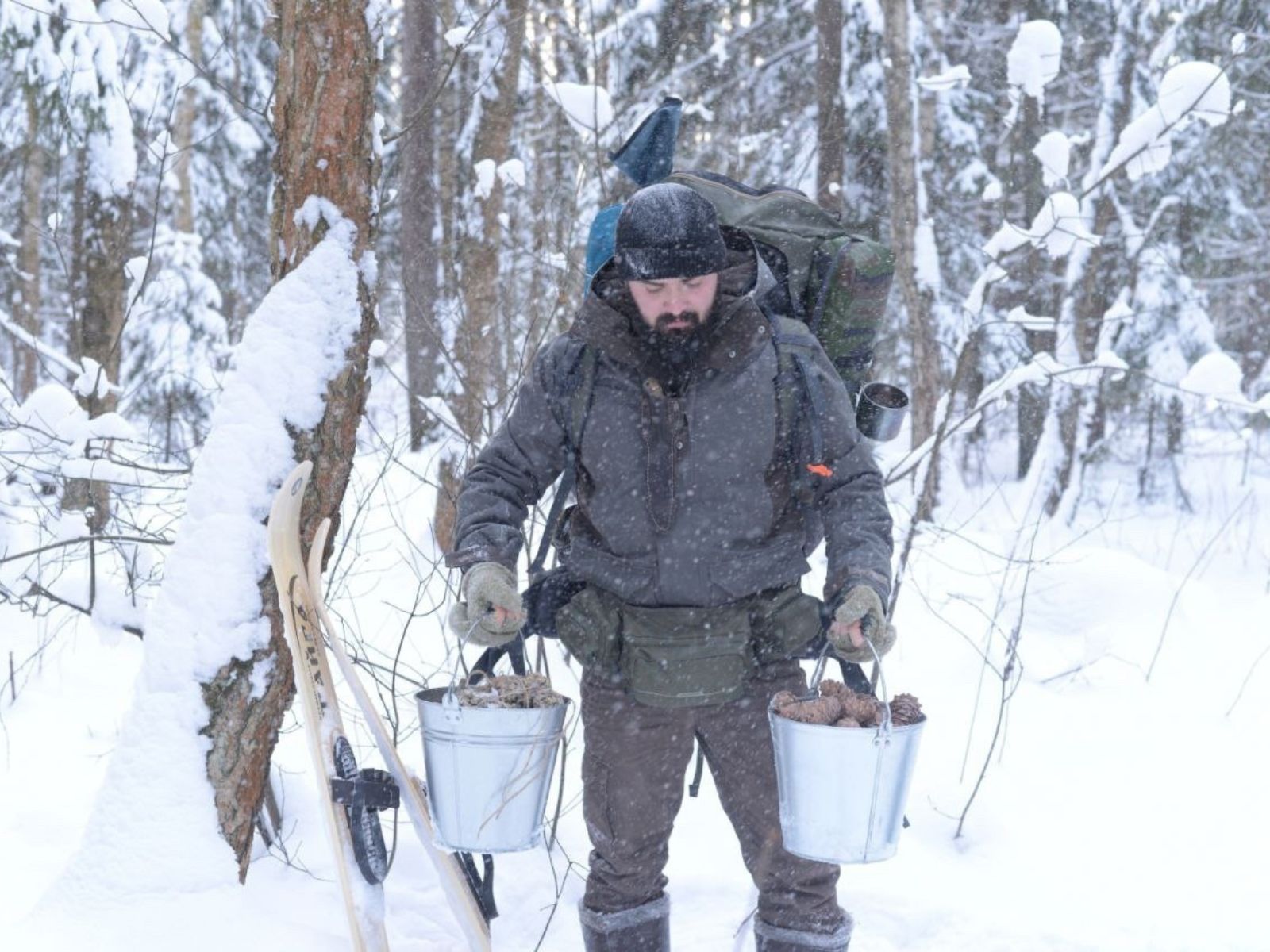
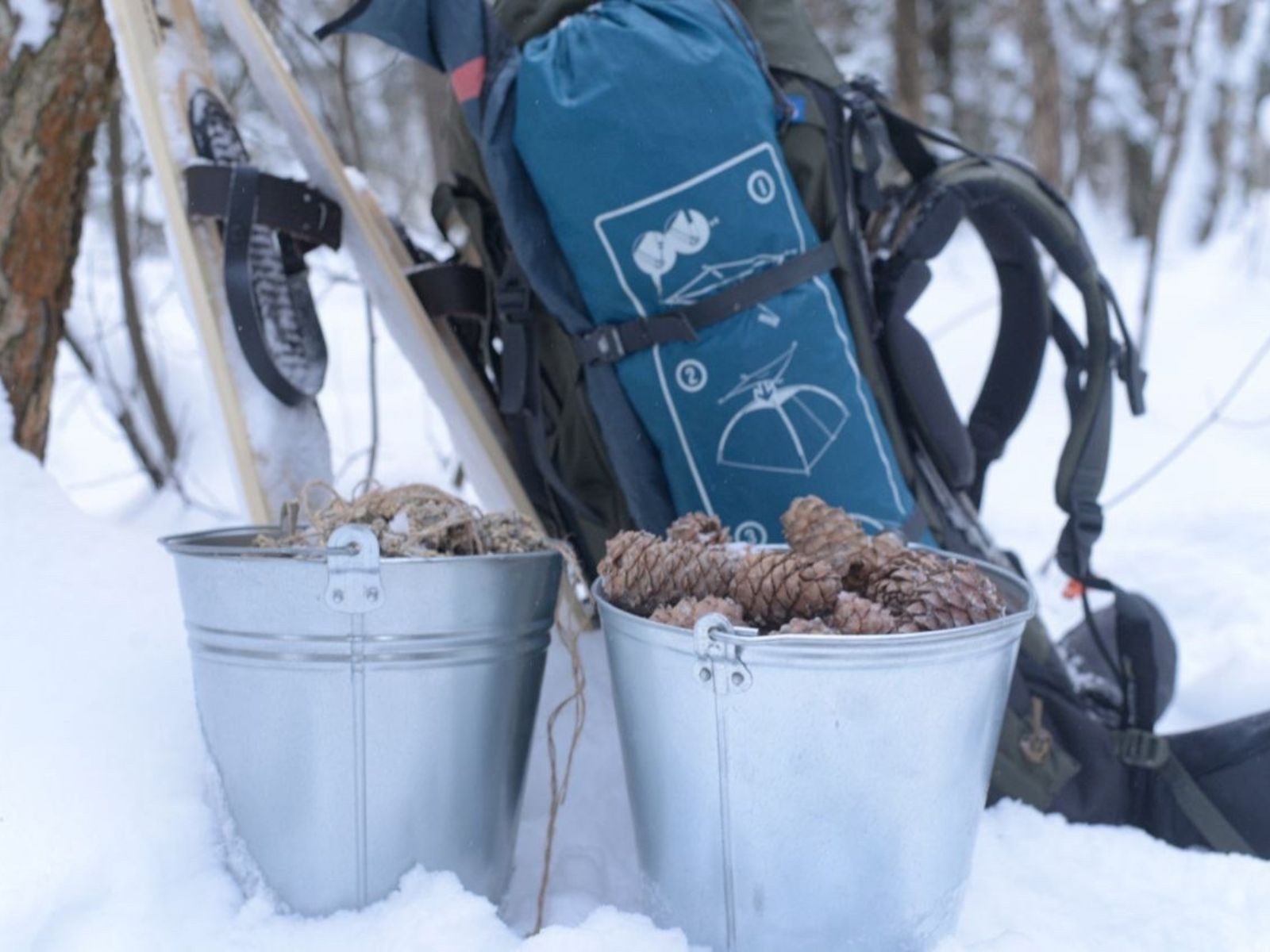
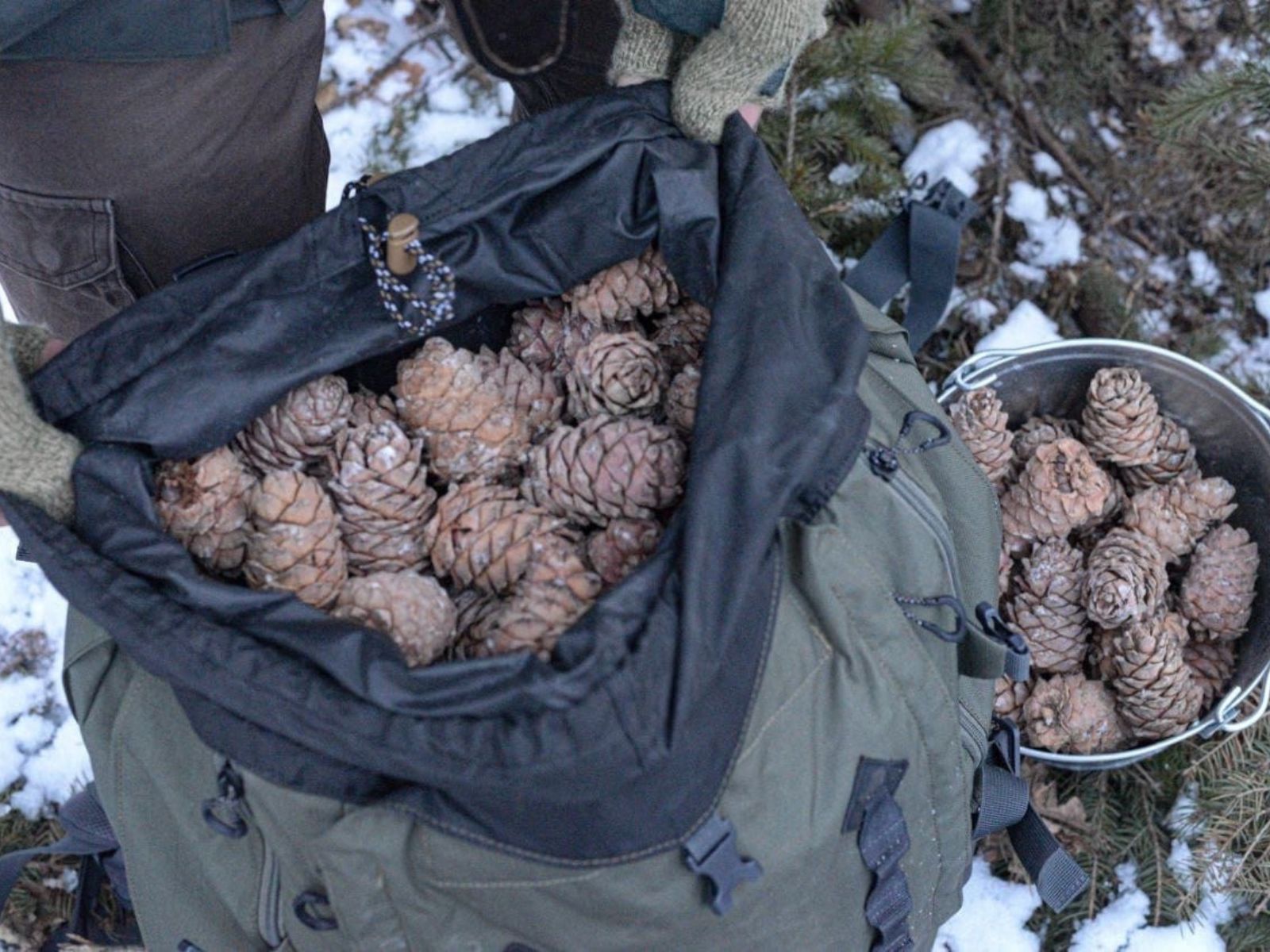
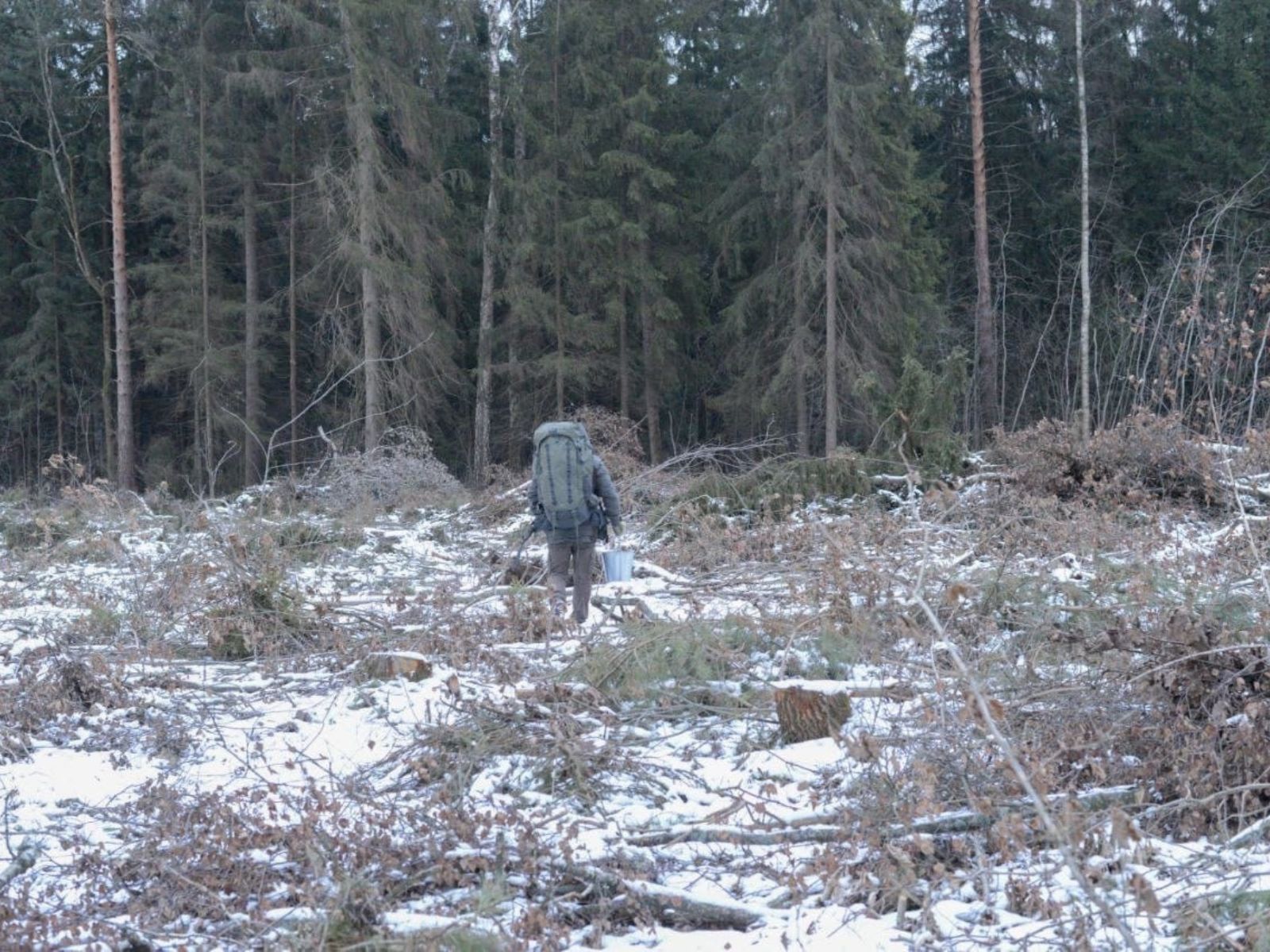
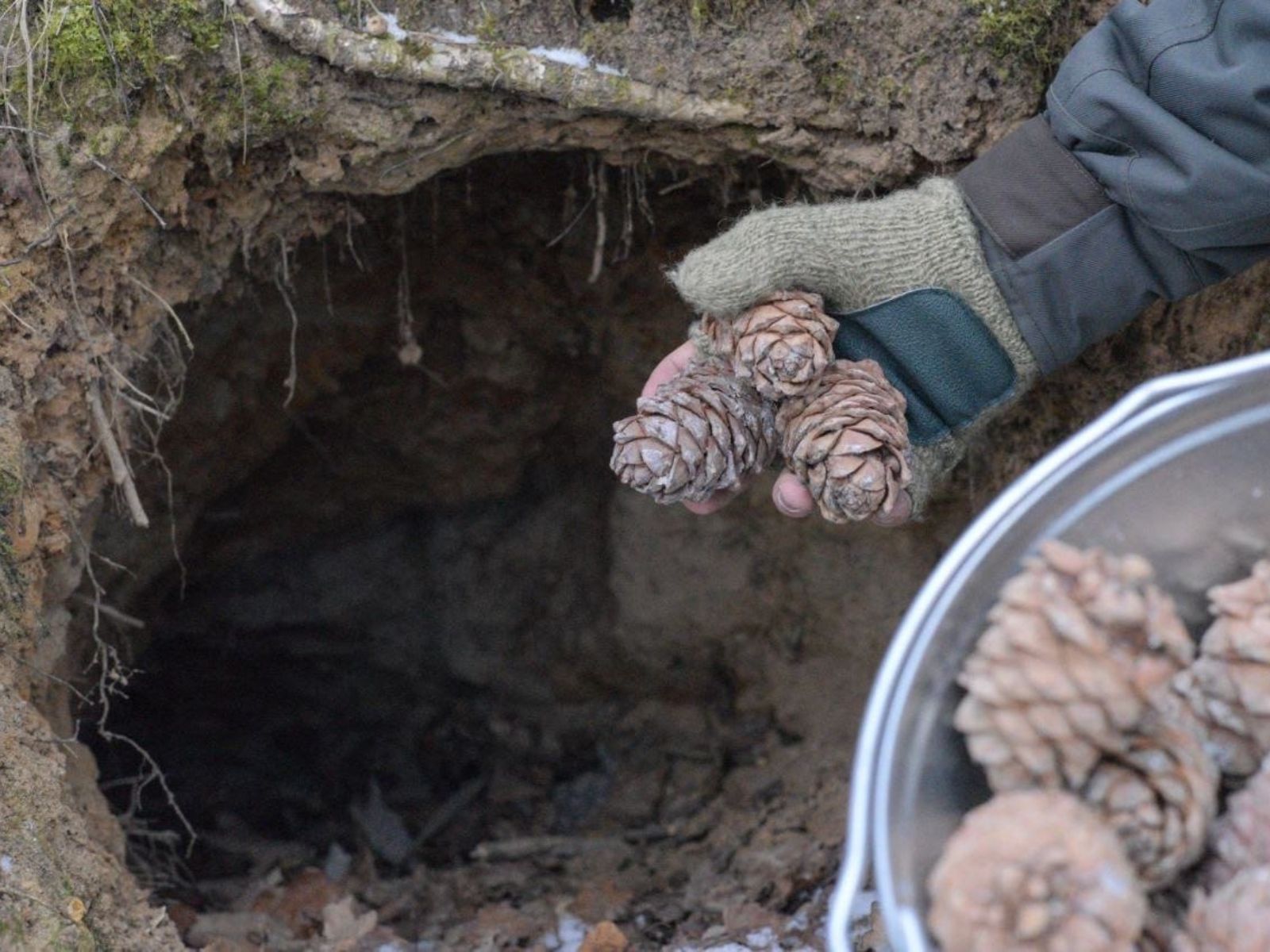
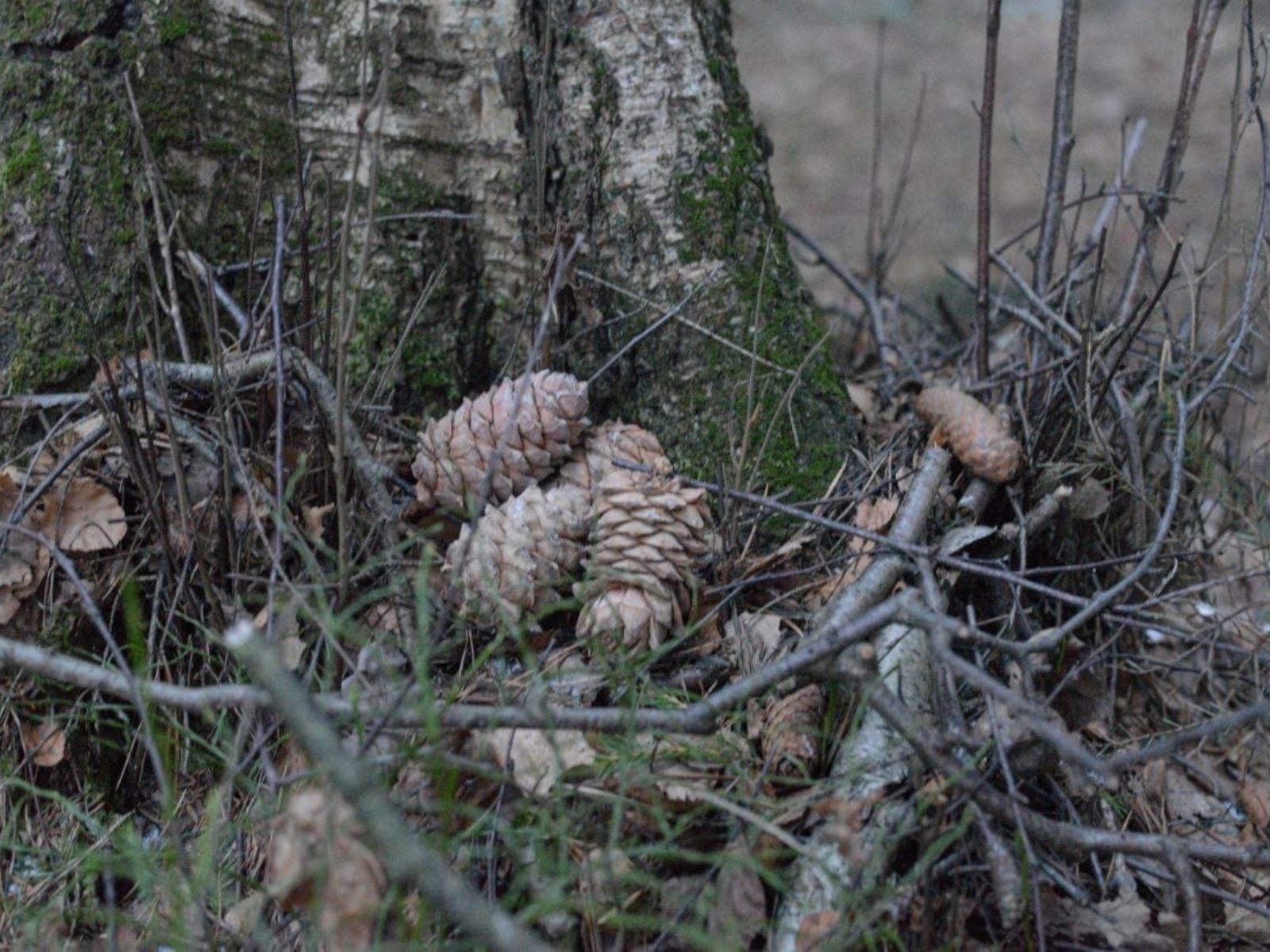
It has reached insanity. For a free wild animal to survive, we now have to transport cedar nuts back into the Russian Taiga! We must push for legislative changes—not just in bureaucratic paperwork, but in real life, on the ground.
© PAVEL PASHKOV
Support the fight!
The hardest thing in our time is to remain independent from government and business! All activities are carried out independently. Stand with us and support our Mission to protect wildlife.
I want to support!Get involved
On an ongoing basis, we launch public initiatives together to protect wildlife and achieve real change. Join this work and help change the world for the better.
Explore the initiativesTFET Concept
We are working to transform the global protected-area system — Territories of Full Ecological Tranquility (TFET) must be created. Wildlife needs refuges from human pressure! This is one of the key paths out of the planetary ecological crisis and toward preventing further ecosystem collapse.
Learn more
