
One question was especially important to me: I wanted to personally study surface irrigation systems in the mountain ecosystems of Central Asia. Soil erosion there is severe, and human activity is destroying the natural environment. In an attempt to at least slow this process, rows of seedlings are planted directly on mountain slopes and supplied with artificial irrigation. Metal pipes cut across the landscape, running both underground and above ground to provide the seedlings with regular watering. Naturally, all of this costs the government enormous amounts of money. But the problem runs deeper: more and more money will be required over time, and ultimately, ordinary citizens pay for it through their taxes.
I had heard about these systems before, but I did not really understand how they worked in practice. I needed to see them for myself. So during my current expedition across Central Asia, I decided to personally examine these “marvels of anthropogenic engineering.”
I tried to find out who originally came up with this frighteningly mechanical approach to planting vegetation on mountain slopes, but I could not find any reliable sources. Subsurface water delivery has a long history, while fully modern commercial drip irrigation systems are usually associated with Israeli developments from the mid-twentieth century. But what I am seeing here is something different. This appears to be a distorted understanding of how and why such systems should be used — a kind of destructive systemic inertia that makes no sense at all. Although perhaps I am wrong, and there is a very specific purpose behind it: creating a permanent mechanism for spending government budgets.
In short, the situation is this: if a mountain slope requires a network of pipes just to keep the trees alive, then this is not a restored ecosystem. It is a technical plantation permanently dependent on artificial water supplies. And as those trees grow and require more water, this will become an enormous problem.
I walked between the rows of planted seedlings. Even with artificial irrigation, they are standing in cracked, dry soil. And this, let me remind you, is Central Asia — a region already facing severe water scarcity, where available water resources are insufficient even for much of what humans have already built and altered for their own purposes. In effect, the mountain slopes are being turned into systems completely dependent on human intervention, where life itself becomes little more than an imitation.
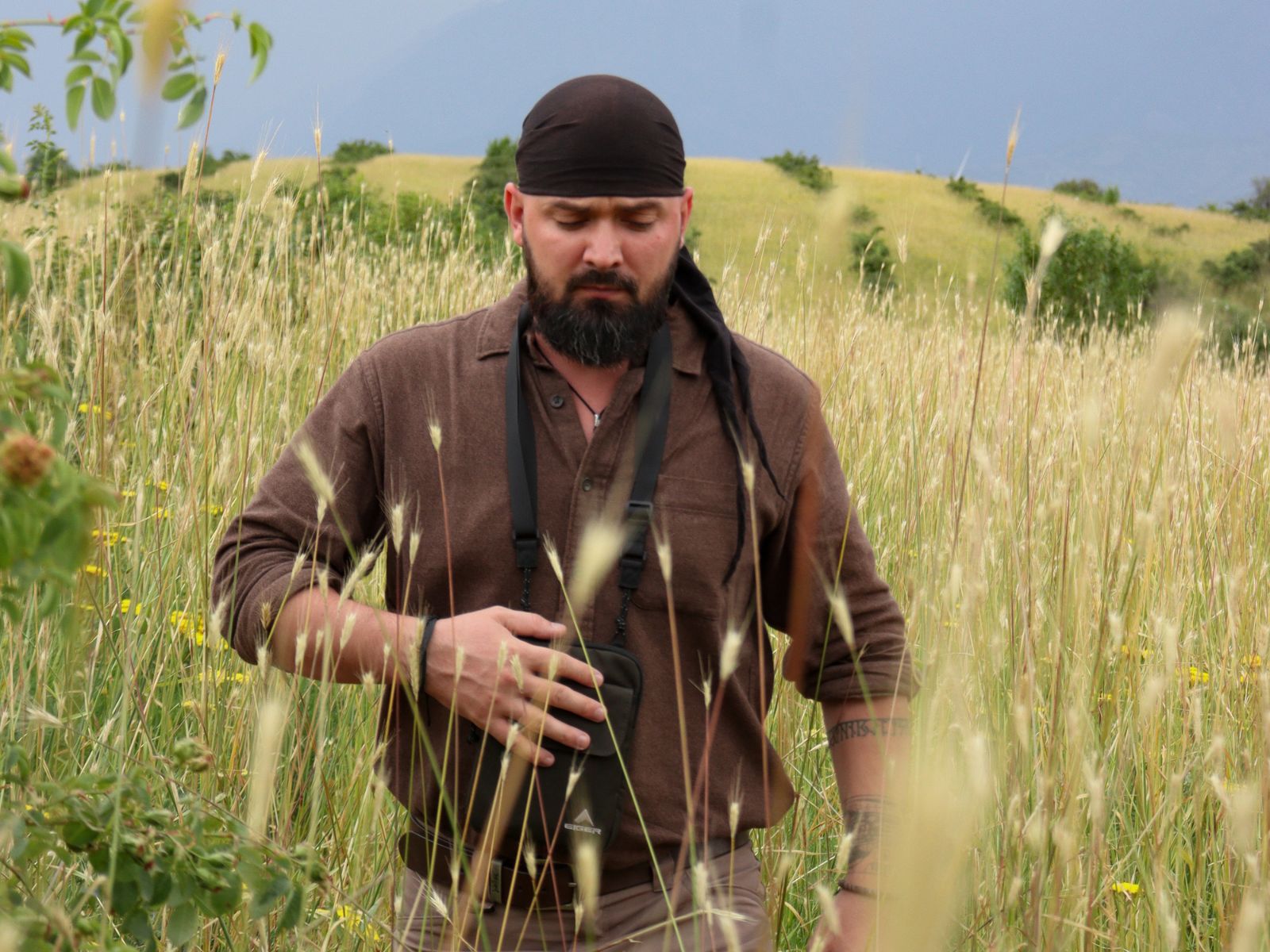
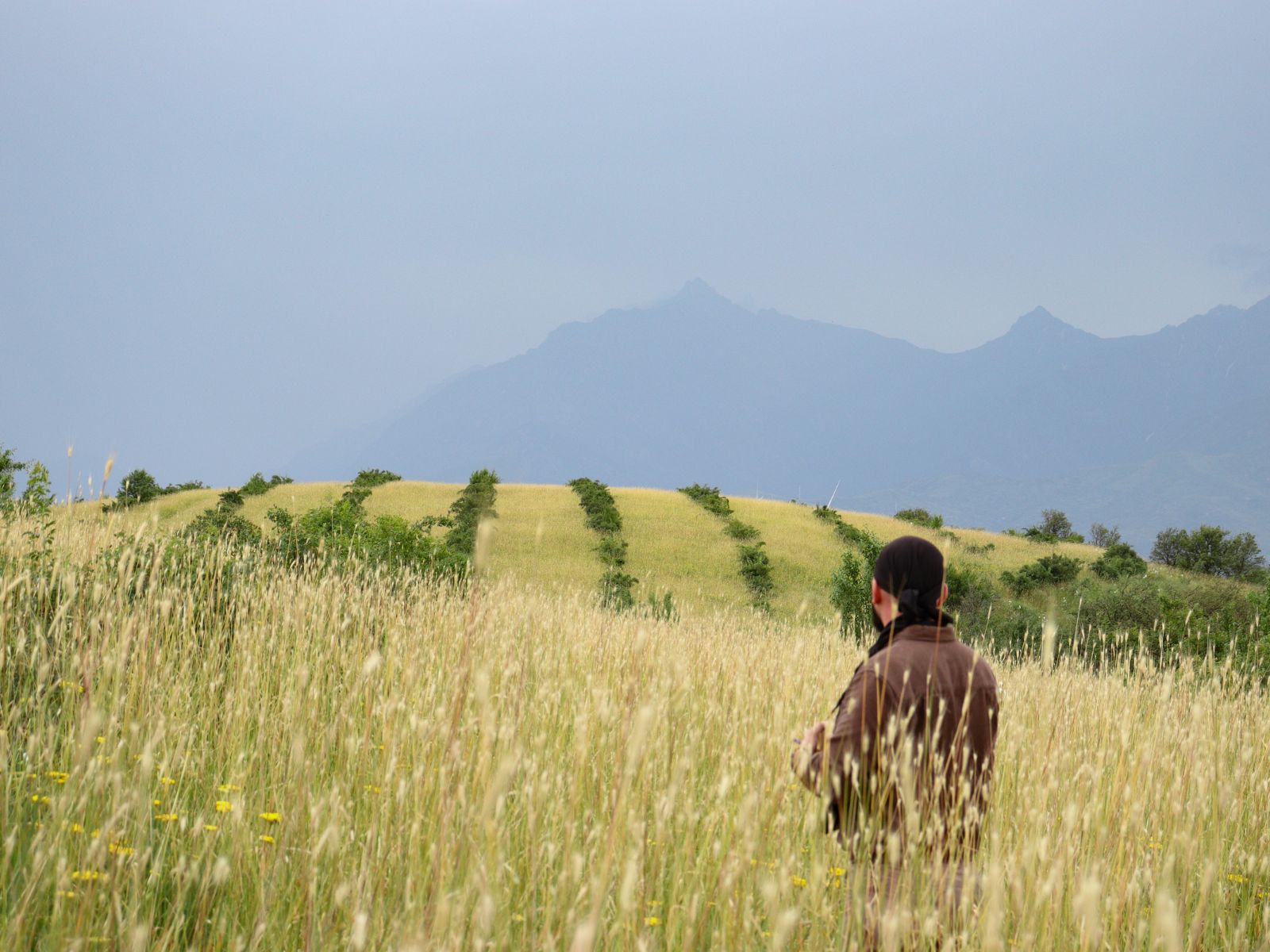
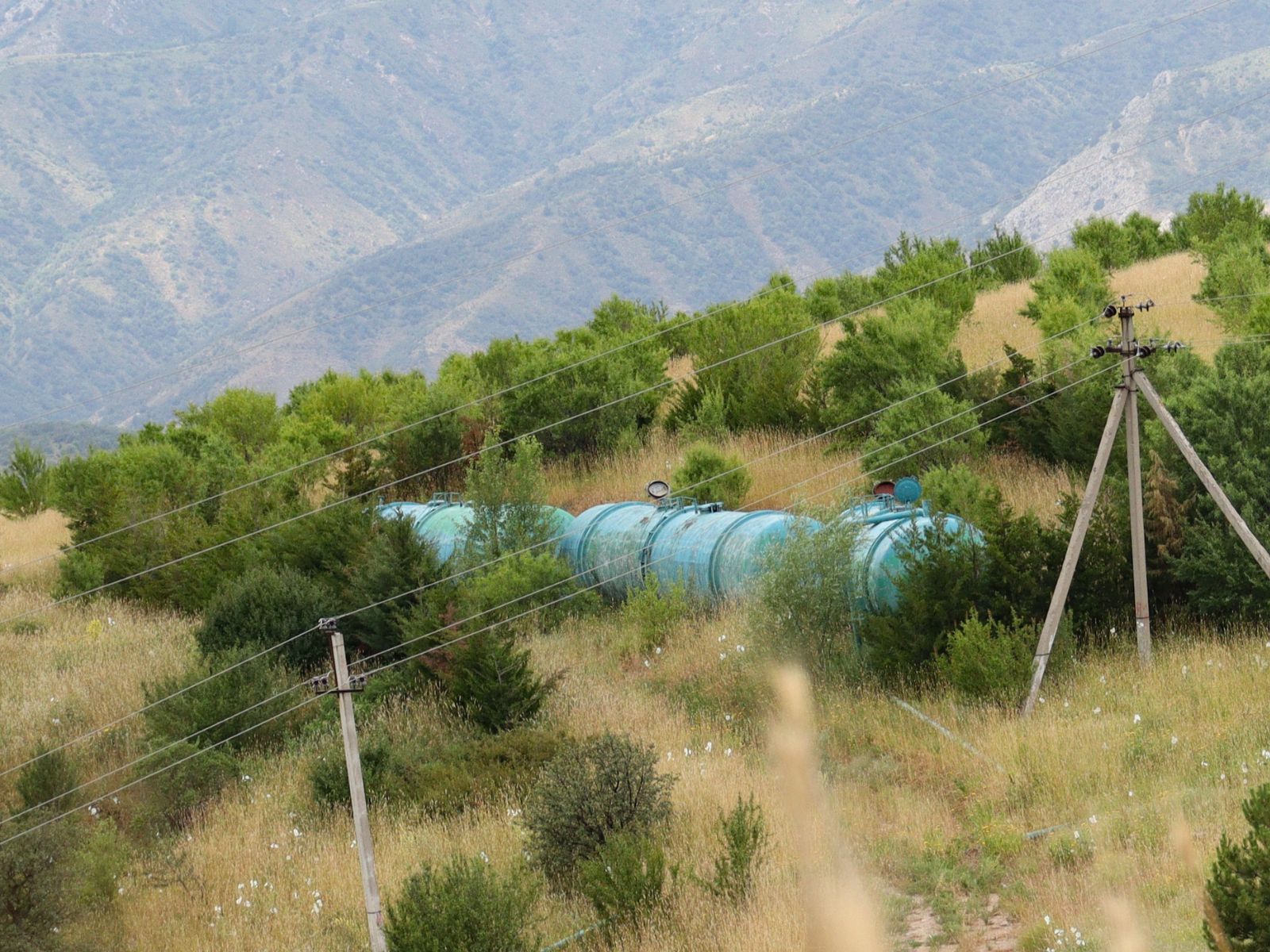
I have written before about tree-planting projects and about how neat rows of a single species are not the restoration of a forest — they are often simply a way to spend money. Many projects around the world presented as “nature conservation” have very little to do with actually protecting real wildlife and natural ecosystems. But here, the mountains have not only been covered with rows of seedlings — the entire landscape has also been cut through with iron pipes to keep those plantings alive through completely artificial irrigation.
While studying the issue, I came across data from a somewhat similar experiment in the arid climate of Iran. There, the use of subsurface reservoirs increased the survival rate of certain tree species compared with sites where such systems were not used. But the effect was only temporary, and the experiment did not involve vast mountainous landscapes or slopes like these. Other studies from dry regions also show that afforestation can reduce water yield and deep drainage, effectively shifting scarce moisture toward evaporation and transpiration. For example, when researchers compared a forest plantation with natural grassland in dry environments, they found a substantial reduction in water yield, while annual deep drainage beneath the forest was minimal compared with the neighboring natural grassland.
Accordingly, the amount of available water will inevitably decline, creating a water imbalance across entire ecosystems. For the dry slopes of the Tien Shan, this is an extremely serious issue.
There is another important point. I came across a very good scientific paper published in 2021 titled “Factors contributing to successful seedling establishment during dryland restoration.” The researchers conducted a global analysis of dryland restoration projects across 174 sites on six continents. The results were striking: 17% of all projects failed completely. And these were not mountain slopes — they were dryland restoration sites in general. In other words, the simplistic logic of “let’s plant as many trees as possible and eventually we will have a forest” does not work. The species being planted, the location, the water regime, and long-term management all matter enormously. And, of course, there must be an assessment of available water and an estimate of future consumption as seedlings grow into a mature forest: will there actually be enough water for that new forest, and will the surrounding natural environment be deprived of the water it needs?
On the dry sections of the southern slopes of the Tien Shan, exactly where I conducted my observations, field studies show that the natural vegetation is not predominantly woody at all. In one survey of the middle section of the southern slope, researchers recorded 158 species of seed plants: 141 herbaceous species, 14 shrubs, and only 2 tree species. This means that attempts to “turn every slope into a forest” contradict the natural structure of this vegetation belt. This is not ecological restoration — it is the direct imposition of a life form that does not naturally belong there.
From what I can see here during my expedition, none of this appears to have been seriously taken into account.
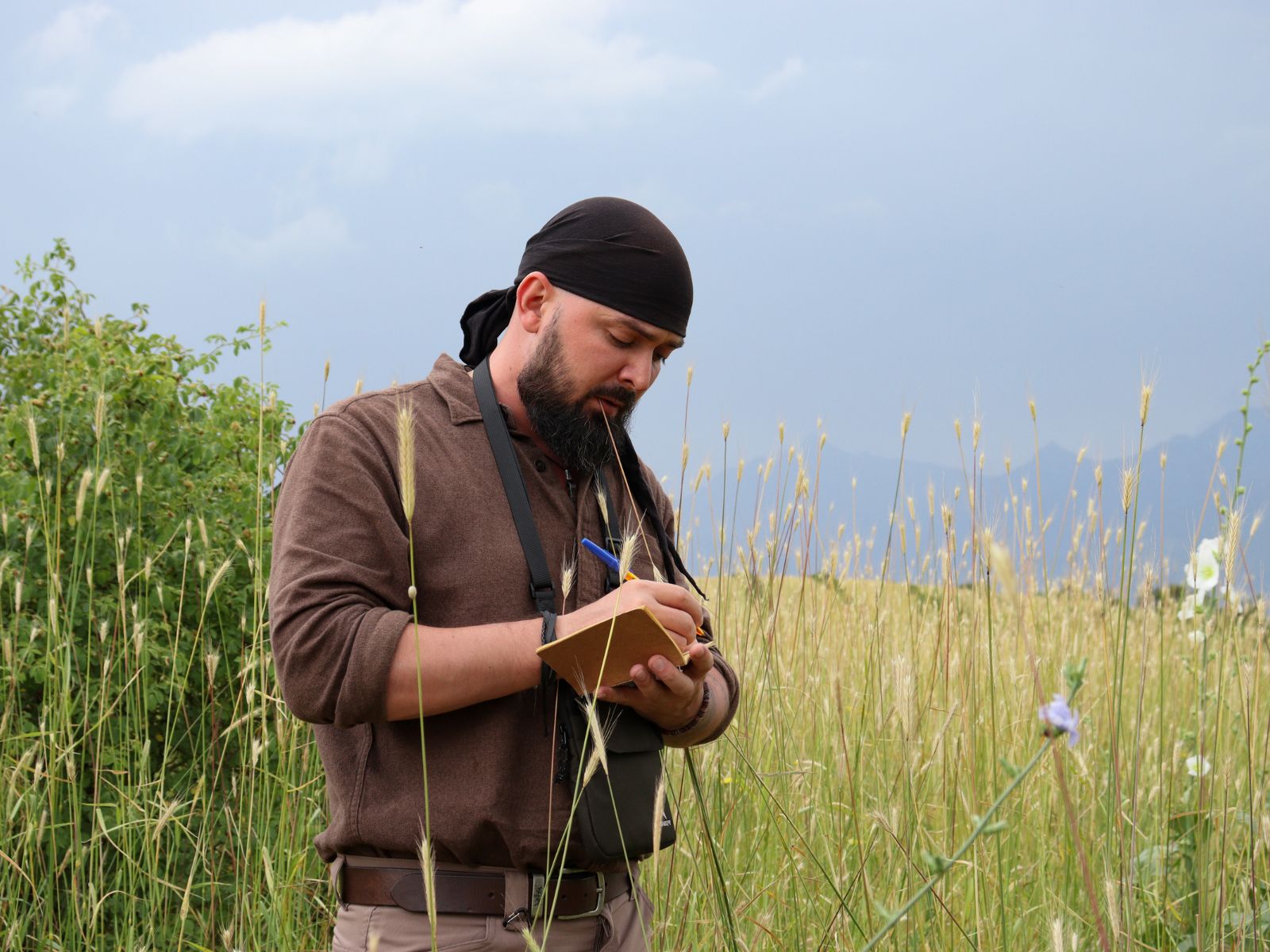
I fully understand that this region has a devastating history of mountain forest destruction. But that does not mean every response should now be “plant more trees.” According to research on the walnut-fruit forests of Kyrgyzstan, the walnut-fruit forests of Central Asia have declined so dramatically that only 5–10% of their original extent remains, with their total area shrinking by roughly 90% over the past 50 years. The main causes are agricultural expansion, clear-cutting, livestock grazing, and firewood collection. Yet even researchers themselves point out that the potential for large-scale ecological restoration is now severely limited, and that measures are urgently needed to protect the natural ecosystems that are still alive rather than ignoring their continuing degradation while directing all resources toward artificial plantations.
This is essentially what I keep telling my readers: instead of planting forests in neat rows, we urgently need to protect the last remaining ecosystems — the surviving fragments of living nature that we still have. And we need to create mandatory refuges for species. Otherwise, soon everything will be destroyed while people enthusiastically plant “forests in rows,” run networks of pipes across mountain slopes, and spend enormous amounts of public money doing it.
I also came across data on juniper forests, and this is a particularly personal subject for me. I love junipers. Ever since childhood, whenever we traveled through the mountains, I would always sit down to rest beside them. Sometimes you gather a handful of green needles, put them in your pocket, and chew them along the way — vitamins and an incredible aroma. Absolutely wonderful.
According to estimates cited by the FAO and UCA for high-altitude communities in Tajikistan and Kyrgyzstan, some juniper forests are declining by 2–3% per year because of overgrazing and illegal logging, with the rate of degradation already exceeding their natural capacity for regeneration. So yes, the region unquestionably needs the restoration of woody vegetation where such vegetation naturally belongs — but it must be done using rigorous scientific approaches. We should not be planting rows of seedlings on dry slopes and running iron pipes to them so that for decades we are forced to artificially sustain local forests while watching them struggle to survive.
We also need to create Territories of Full Ecological Tranquility (TFET), which is exactly what we are working toward. My observations from this expedition will now be thoroughly analyzed and incorporated into future project proposals for governments, so that we can present them with a model of what modern, effective nature conservation should actually look like. My only concern is how realistic this is in economies built around funding almost anything as long as money can be allocated to “some kind of project.” And the longer these projects continue, the longer seedlings and then young trees remain dependent on artificial irrigation, the more financially attractive the system becomes. The flow of money never has to stop.
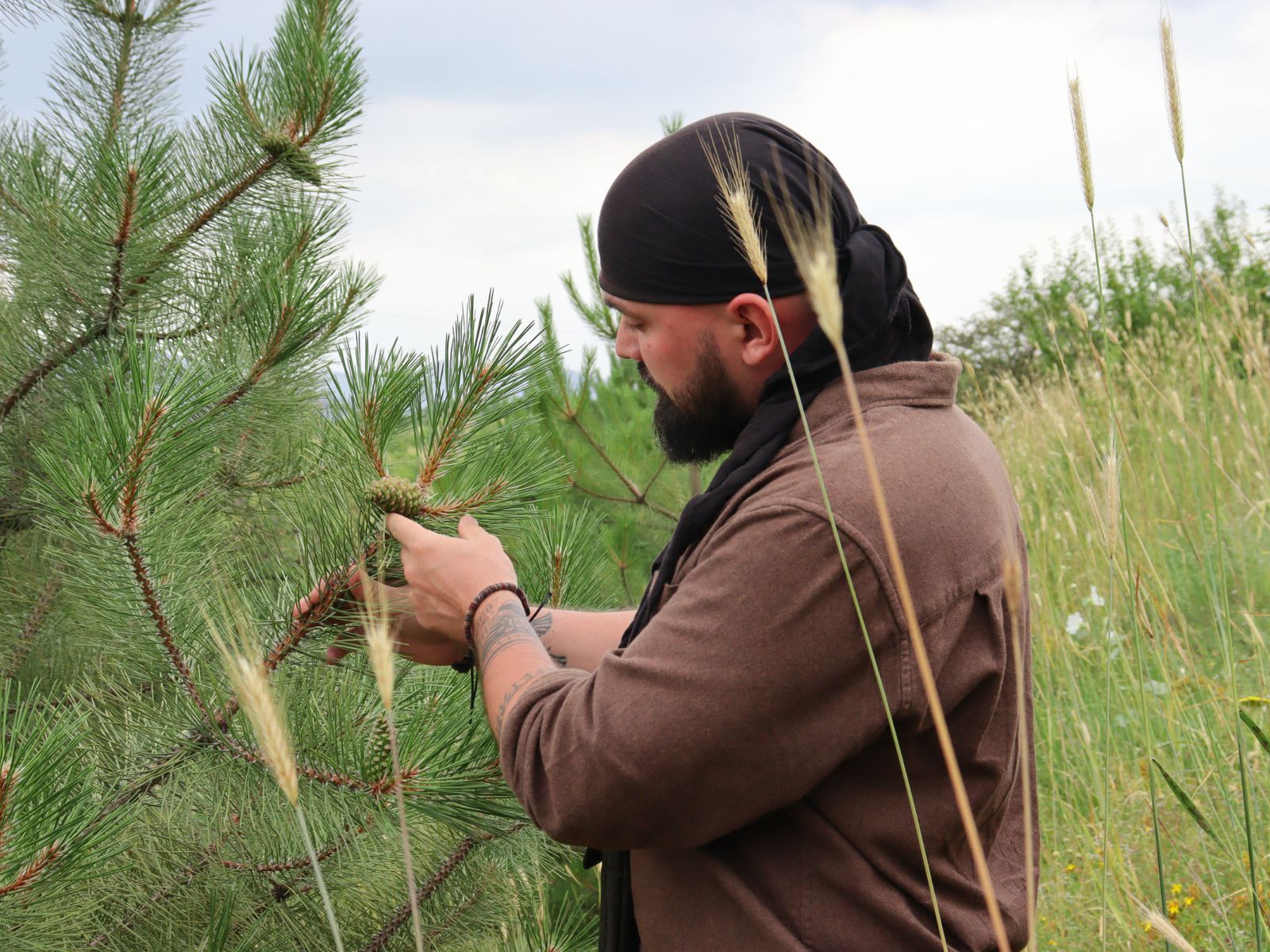
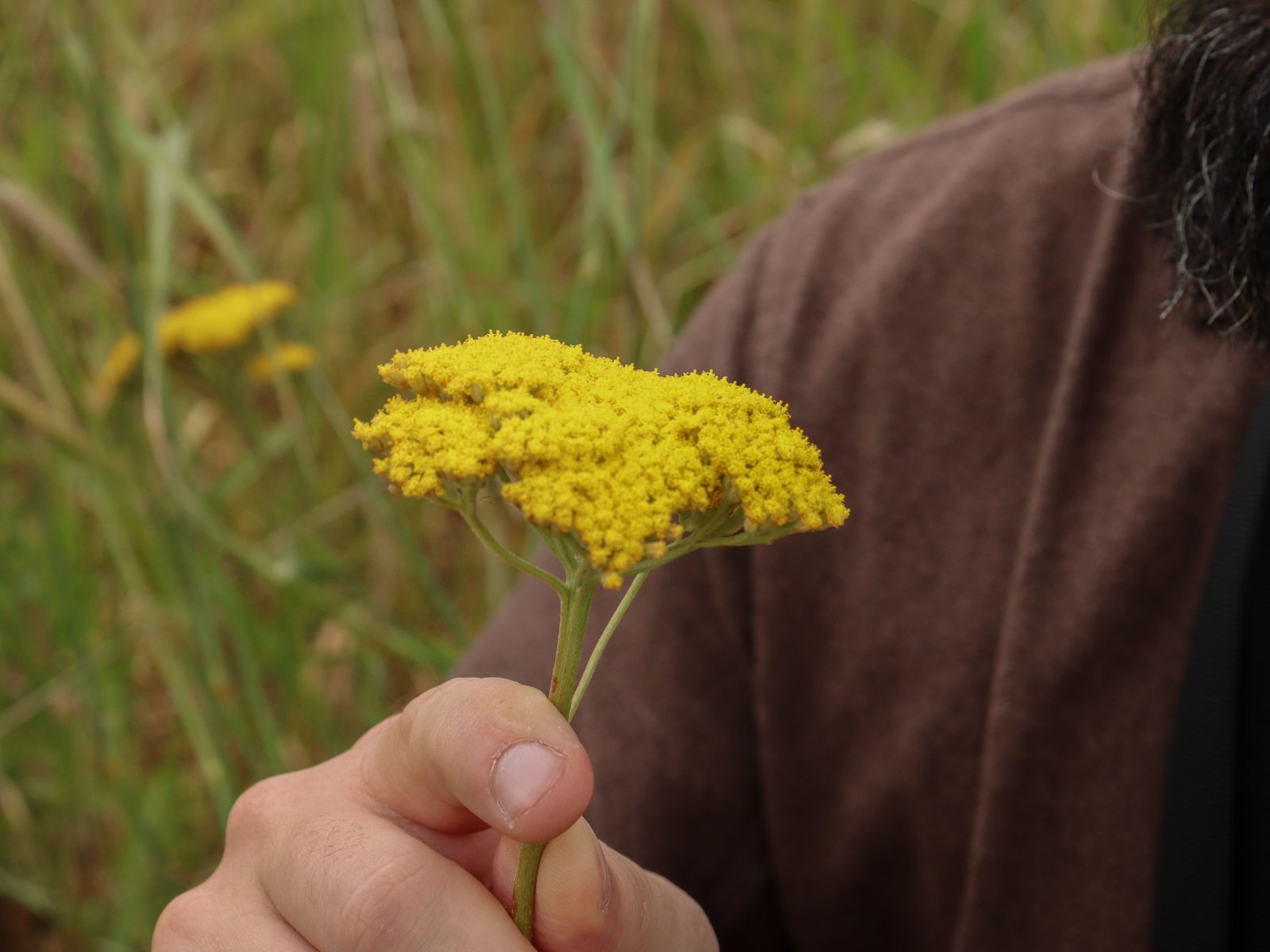
I believe our recommendations should begin with the fact that restoration work is indeed necessary on erosion-prone slopes where water is limited. If these mountain slopes have already been degraded and something must be done to slow soil loss, then restoration should not take the form of linear rows. Instead, it should use vegetation characteristic of the local environment — for example, mixed shrub-and-grass communities — while replicating natural ecological processes as closely as possible. Specifically in the mountainous area where I conducted my observations, the Tien Shan, planting forests on dry and semi-dry slopes and then trying to keep them alive with iron irrigation pipes is an extremely inefficient approach. Instead, restoration should focus on native xerophytic shrub-grass and meadow-steppe communities appropriate to the particular elevation zone — tussock grasses, sedges, low-growing shrubs, and dwarf shrubs. In natural forest belts, the priority should be to support the natural regeneration of native tree species. In other words, the first step is to restore vegetation that actually corresponds to the local moisture conditions, soil, slope exposure, and elevation — not whatever is easiest for bureaucrats and officials to plant.
Our work continues. Very soon, we will be heading toward equatorial ecosystems, from there to Tibet, and then onward to the distant horizons of the Earth. We need to unite as many people as possible in defense of nature, develop the boundaries of a future protected-area system, and work to establish dialogue with governments.
And change this world for the better — forever.
© PAVEL PASHKOV
Support the fight!
The hardest thing in our time is to remain independent from government and business! All activities are carried out independently. Stand with us and support our Mission to protect wildlife.
I want to support!Get involved
On an ongoing basis, we launch public initiatives together to protect wildlife and achieve real change. Join this work and help change the world for the better.
Explore the initiativesTFET Concept
We are working to transform the global protected-area system — Territories of Full Ecological Tranquility (TFET) must be created. Wildlife needs refuges from human pressure! This is one of the key paths out of the planetary ecological crisis and toward preventing further ecosystem collapse.
Learn more
