


My story
Who am I and why should you even care? If you're reading this, it means you're searching for something real. I myself have been searching for something genuine in an utterly fake world since my youth. The truth is, it's very difficult to find a place where problems are called by their names and not covered up with polite euphemisms. I didn't find one.
There remains one option—to speak the truth, to speak honestly ourselves, in order to create such a place.
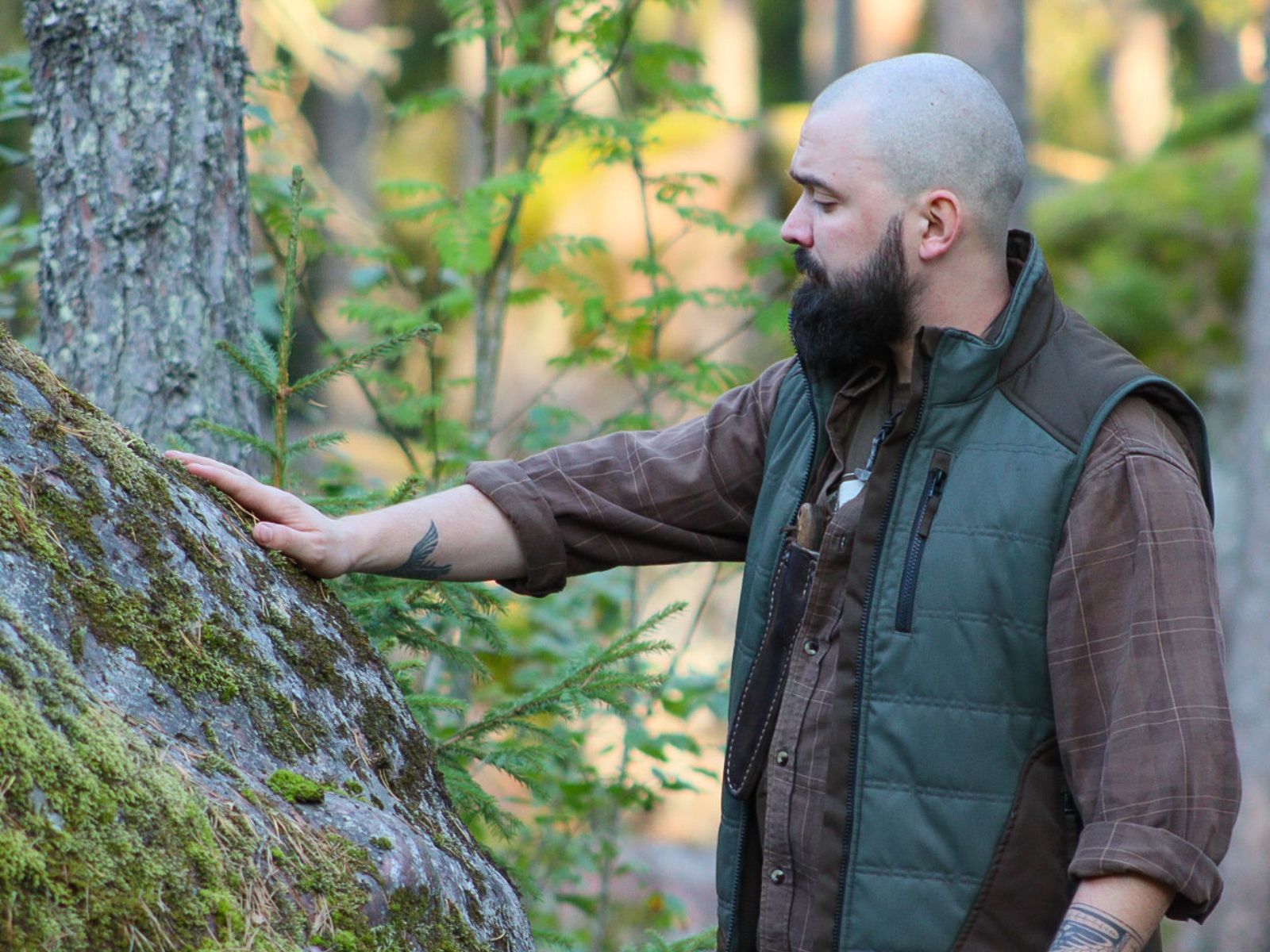
My name is Pavel Pashkov.
I am not a member of any organization, nor am I honored with ranks, titles, and other such nonsense. Without embellishment and without gloss. Everything I do, I do myself. And I speak on my own behalf. I rely only on the support of comrades willing to stand by my side, and nothing more. It is important for me to remain independent from power and business.
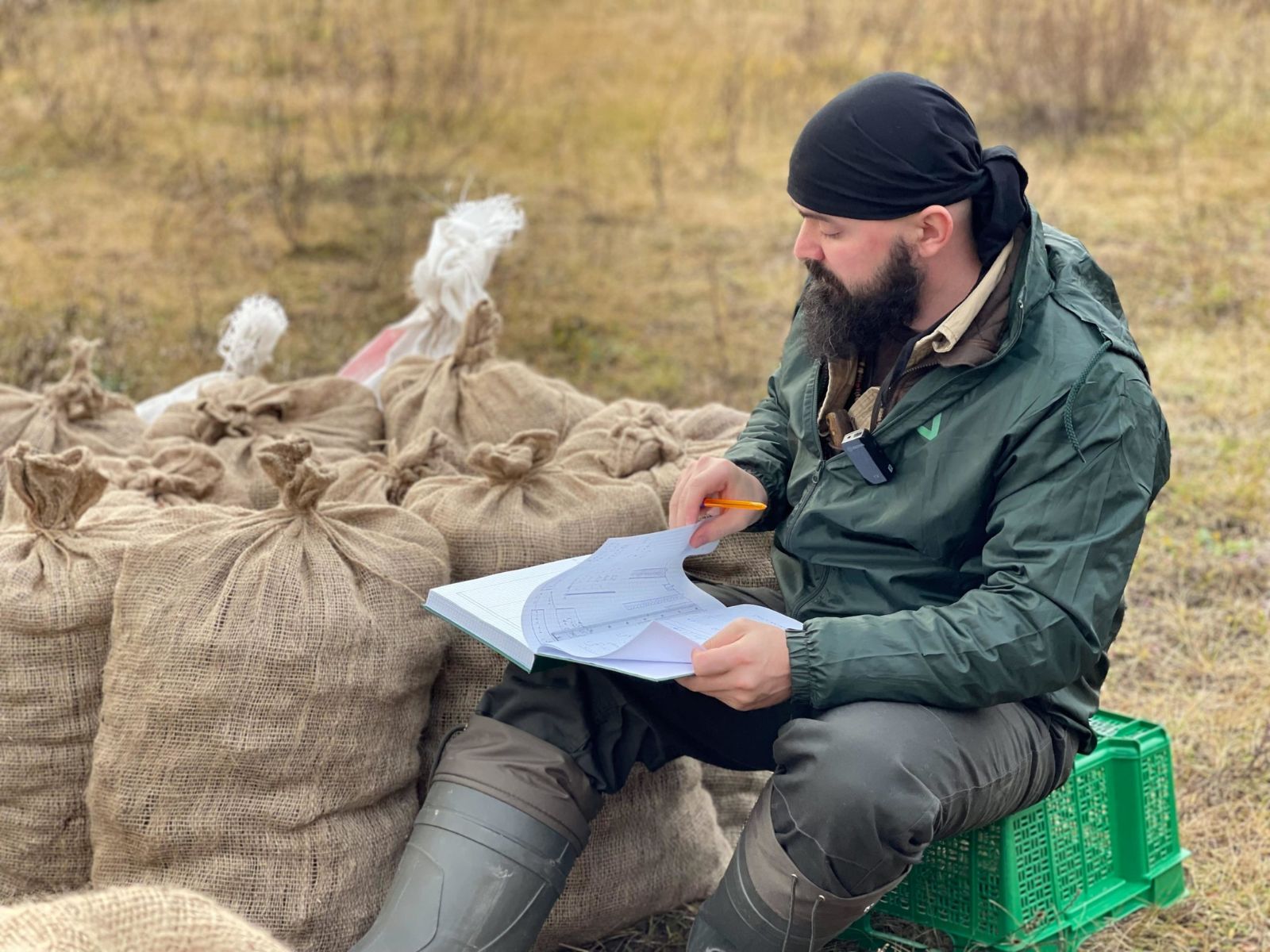
I grew up in a village, originally from Siberia. As long as I can remember, I was always surrounded by wild nature, growing up in the remote mountains of Altai, where there wasn't even mobile service, and the only landline phone was with my Russian language teacher. We would walk there, across the entire village, if we needed to call someone. All my relatives are also from Siberia. Some closer, some farther, some in the city, and some in the villages. My great-grandfathers worked as foresters, protecting the taiga. It seems the genes of my family rebelled against asphalt. That's how I ended up in a village in the Altai mountains. Imagine this point: the junction of the borders of Altai, Kazakhstan, and Mongolia. The edge of the earth.
I always liked this: drawing water by the bucket from a mountain river, stoking the stove, chopping wood. A way of life. Sometimes, during cold winters, hungry wolves would come down to the village, their packs broken up by trophy hunters from the cities. Then local officials would secure funds for bonuses from regional budgets, citing 'rampant wolves.' Yes, those very wolves, destitute, a few young ones left, coming to people after losing their families.
I remember well from my childhood how they first cut down the native taiga, took it away piece by piece, and then shot the animals. I can't forget the sight of a live wolf, tied by its legs to an old UAZ, being dragged at full speed down a muddy road, while people clapped in fascination.
I remember everything. Even though I was a child. People still often tell me, 'Come to the backwoods, let's see how you'll protect wolves and bears, you'll end up shooting them yourself.' Well, what can I say, there's no need to invite me there, I'm from those places myself. No need to tell scary stories. The only terrifying thing I encountered there was a person, doing all sorts of nonsense out of stupidity.
A naive idea to protect nature? I won't argue!
I never had the desire to protect that invented 'nature' they preach about in school. Personal interaction with real, living nature is something they hardly teach anymore — it's left to a few enthusiastic teachers. No. I always felt it as a living organism. The taiga. The Spirit of the Clan. I believed that if you showed people that the forest is not just firewood, but a thinking system, everything would change. How wrong I was! Most people just don't care at all.
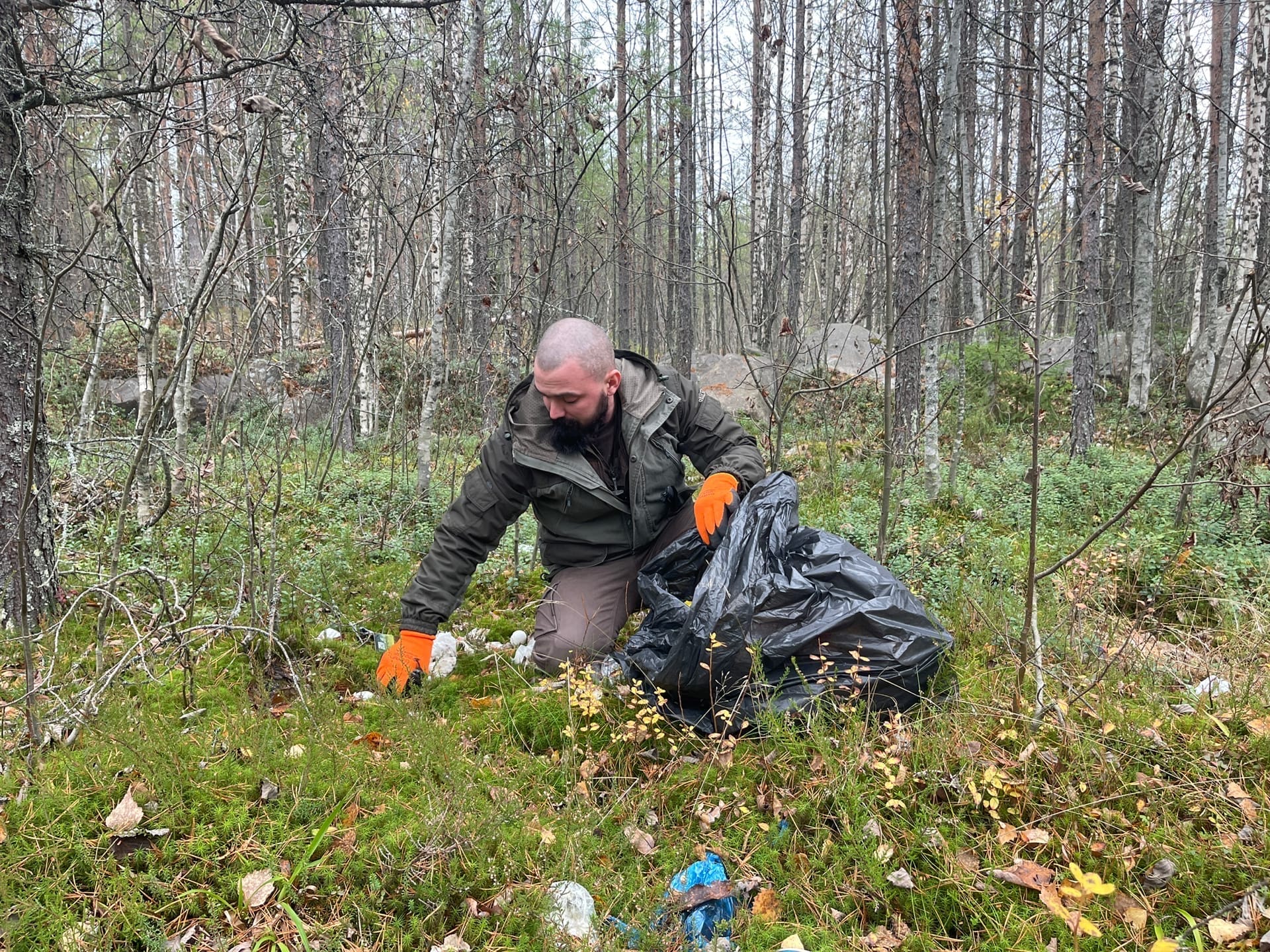
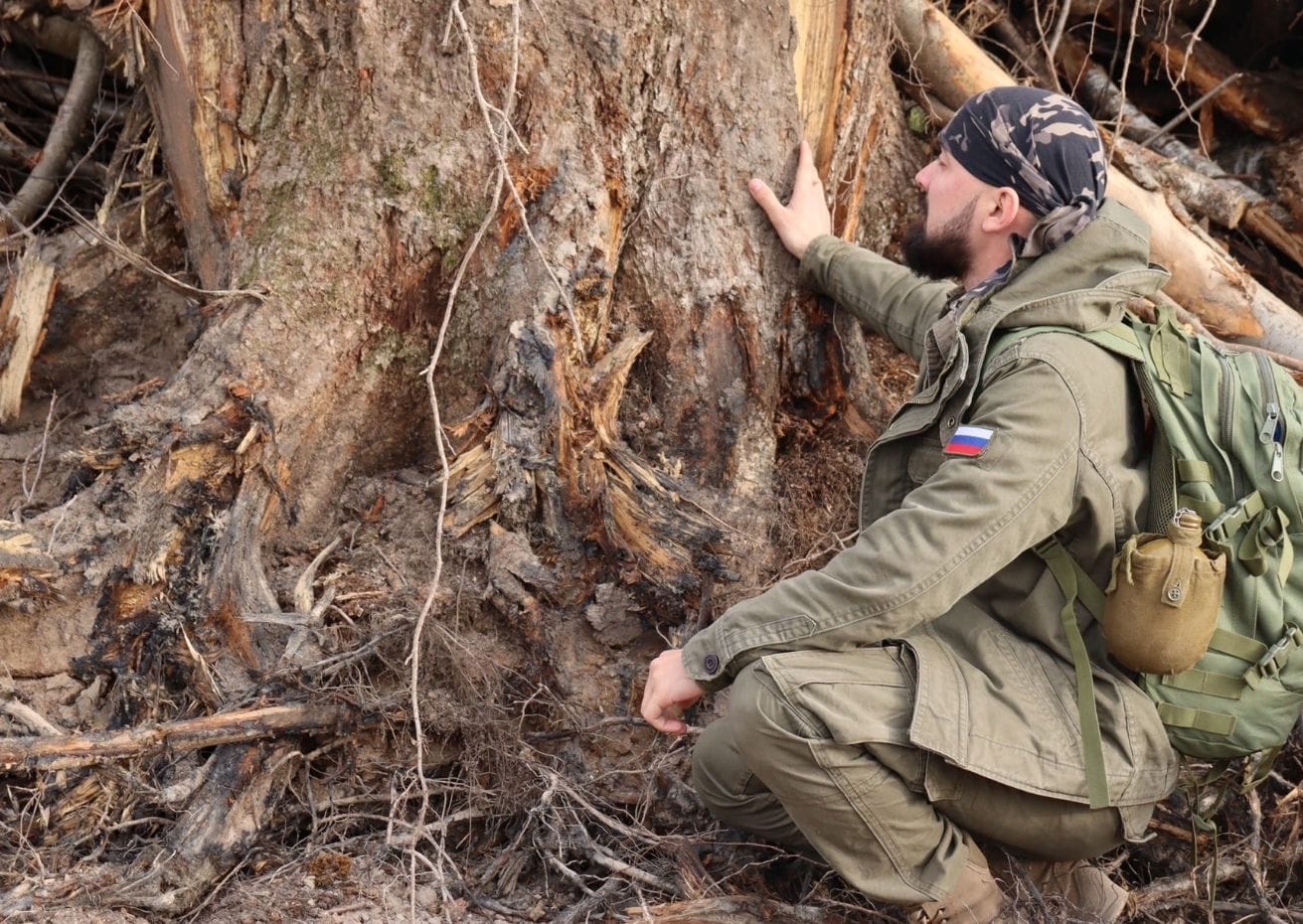
When you write that you study the forest for days on end or protect wild animals, most people probably think you're just crazy. And you can't convince them otherwise. You start to think that the trees understand you better than most people do. There was a time when I almost gave it all up. I just felt defeated.
There's nothing romantic about how I started my first wildlife protection projects. I just understood that something needed to change and it was time to unite sensible people! Those who shout, "Come to the taiga," are right in one thing—very few actually remain there; almost everyone is in the cities, and for those ready to protect nature, much may be unclear. Maybe if everyone came there together, saw the devastation, the destroyed taiga, they would quickly hold accountable those who caused it.
And I'm from those places, from the wild. I'm originally from the taiga, from the remote mountains of Altai. So I can share my experience with people and show the reality as it truly is.
Gradually, I began to speak about the problems of the Russian Taiga. You don't have to look far—starting from the Altai Mountains, where forests are being destroyed and animals are being shot, and further in any direction. Wherever you go, the taiga is being taken away from the wild animals.
When I was very young, I thought this only happened in the remote Altai Mountains. I thought if I told people, they would quickly sort it out! Maybe no one knows about this? They don't reach here? Like any young person, I was naive.
But a little later, my family moved to another region, and I saw the same thing far from the mountains: deforestation, relentless hunting of animals, chaos everywhere. As I grew up, I wanted to see the country not from screens, where they lie to us about 'great successes,' but from the ground. From the dirt. From the blood. That's how my first expeditions to protect nature began, my first investigations, just a personal encounter with reality. I traveled all across Russia for the first time. From end to end. By myself.
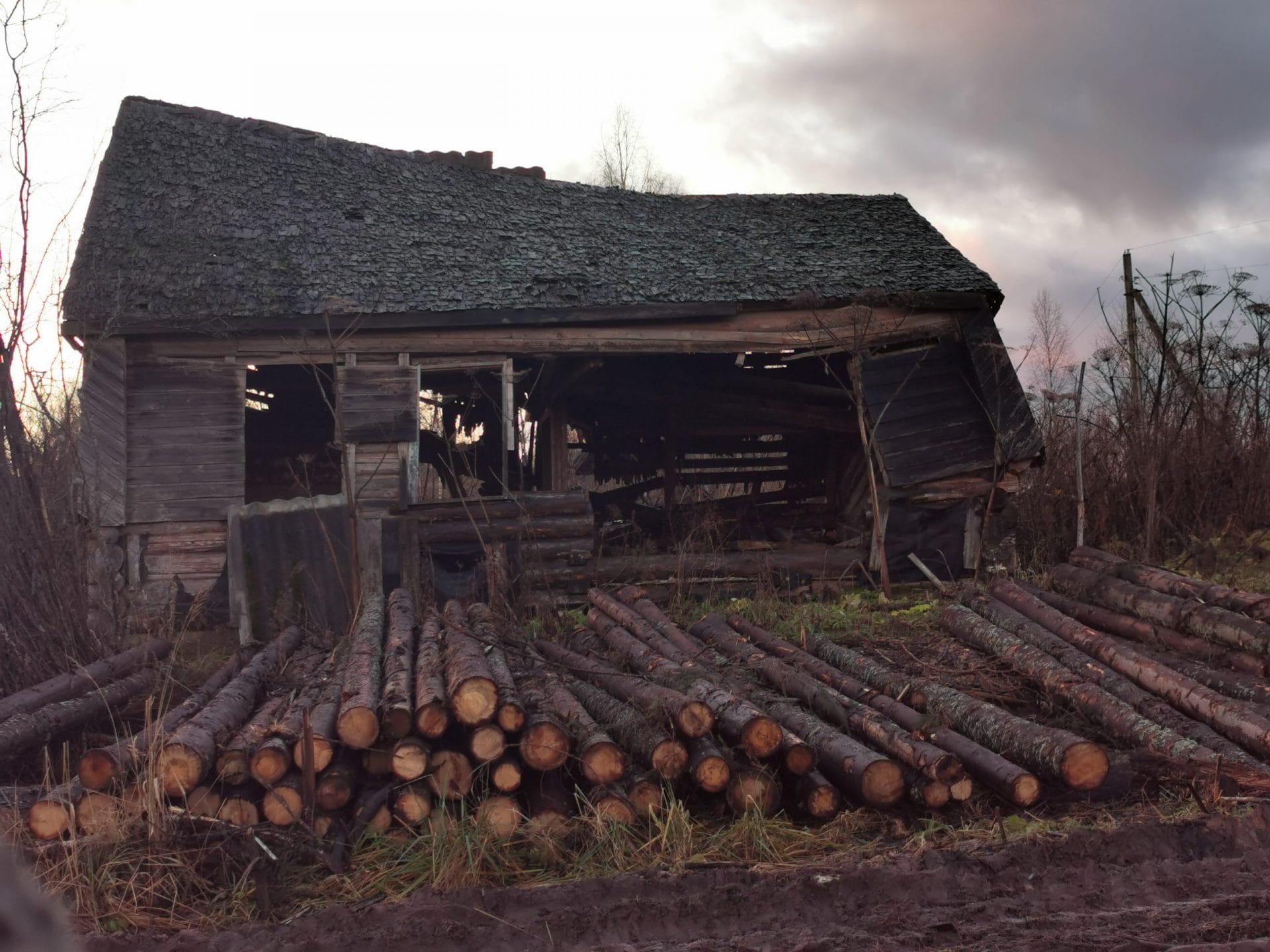
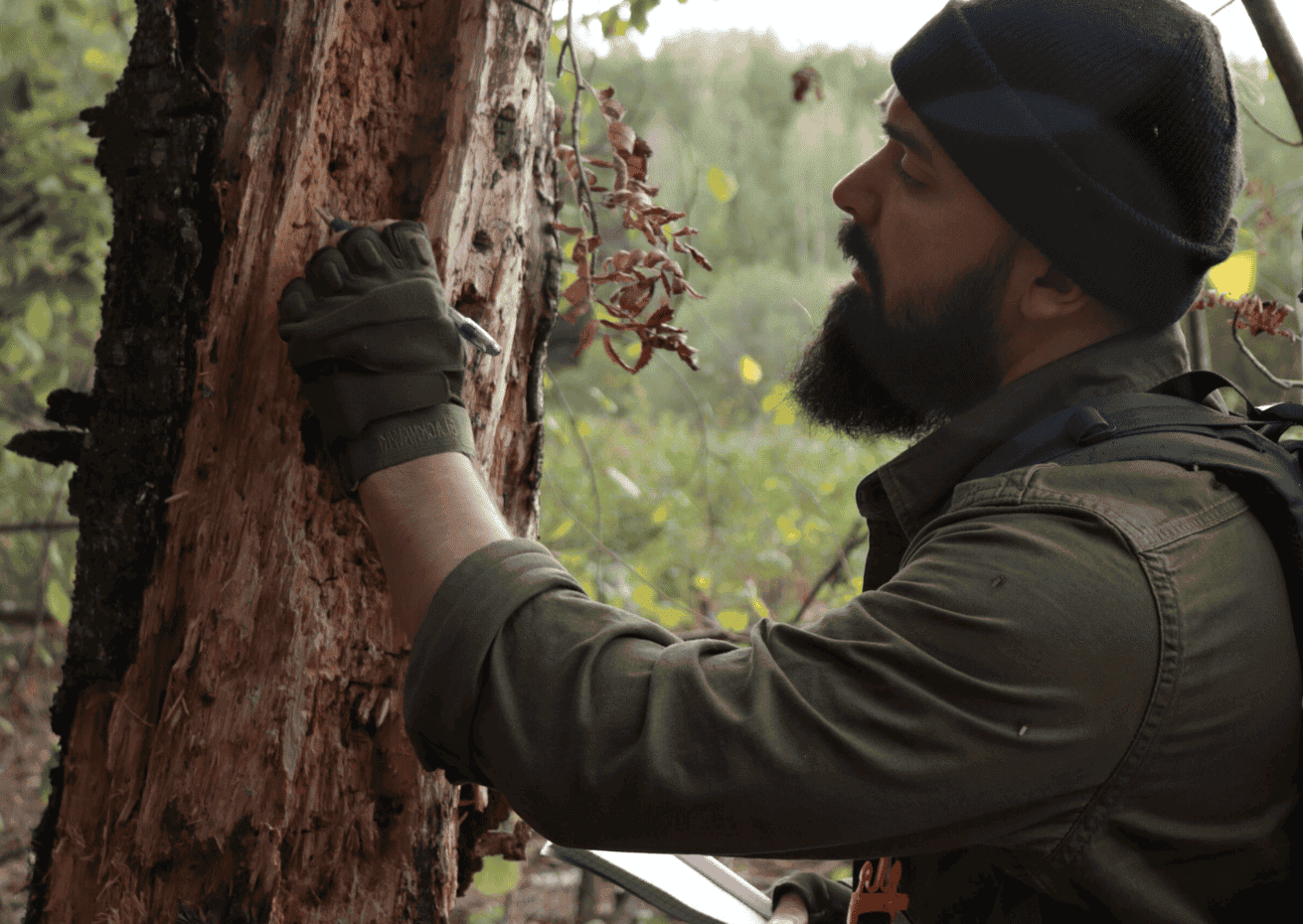
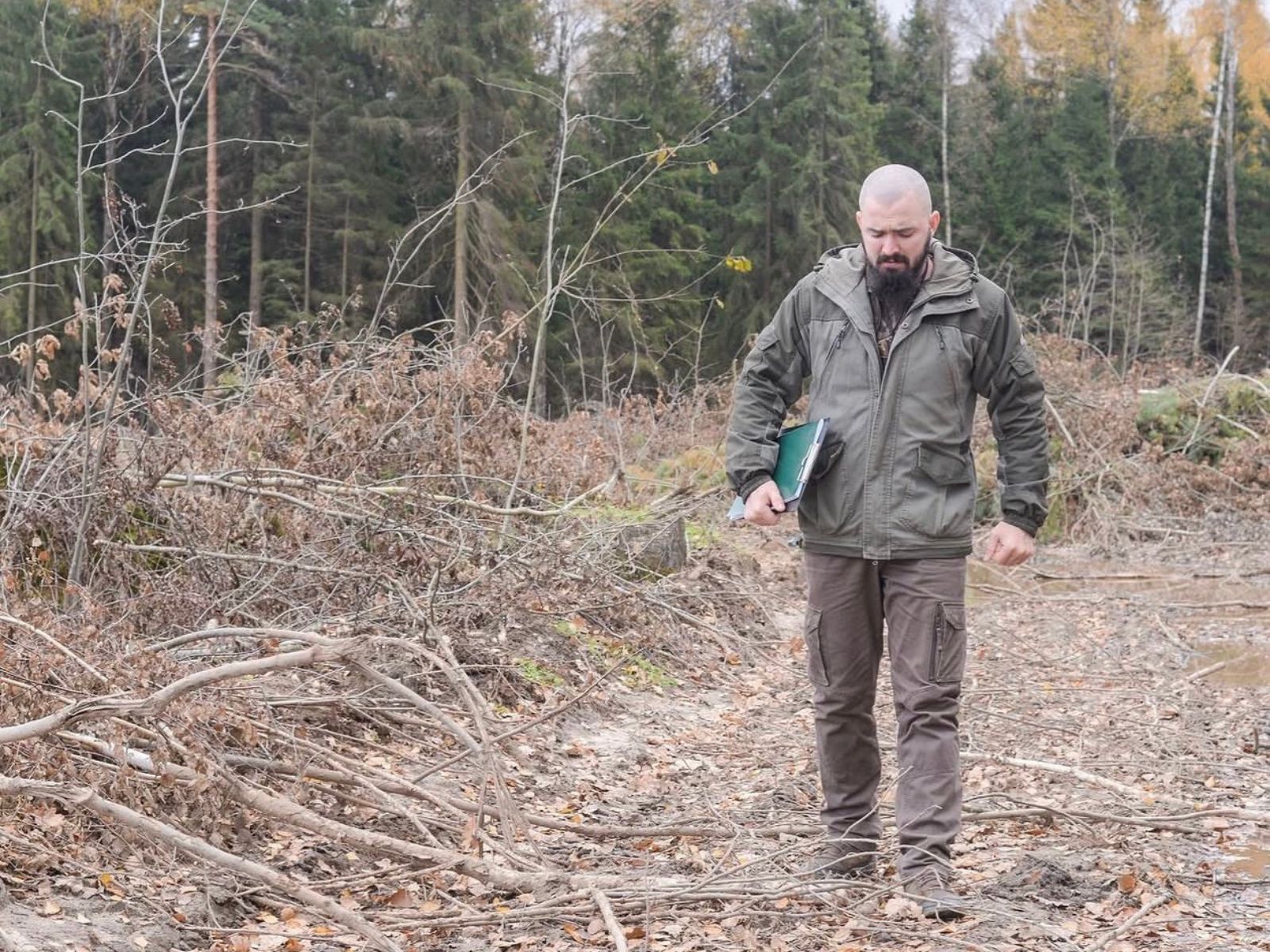
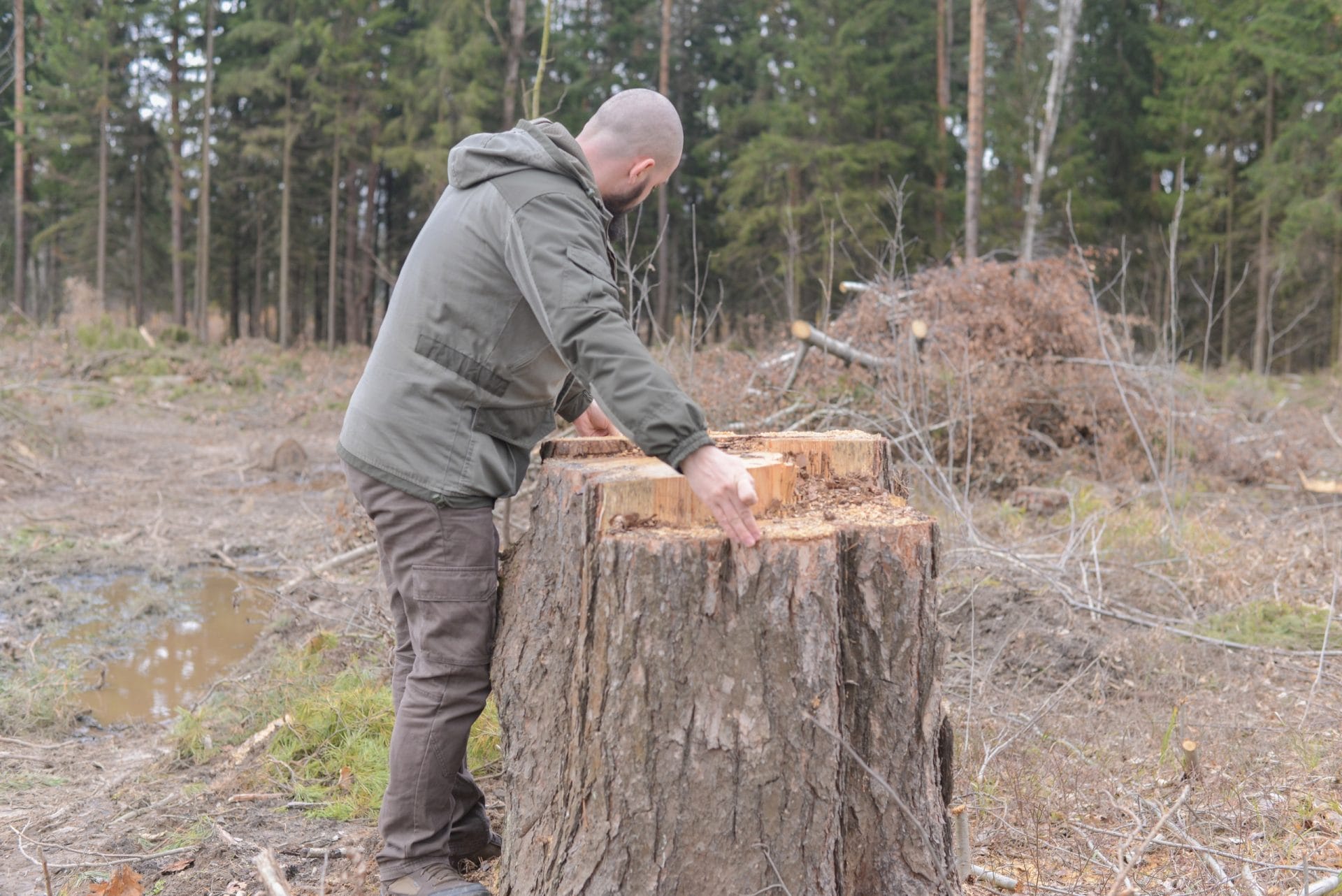
I started talking about it: my first articles, my first thoughts spoken aloud. And then, after I felt the support of my first allies, I was able to move forward. I realized that the things I see, many people also reject, and I am not alone in thinking that perhaps something needs to change in this world.
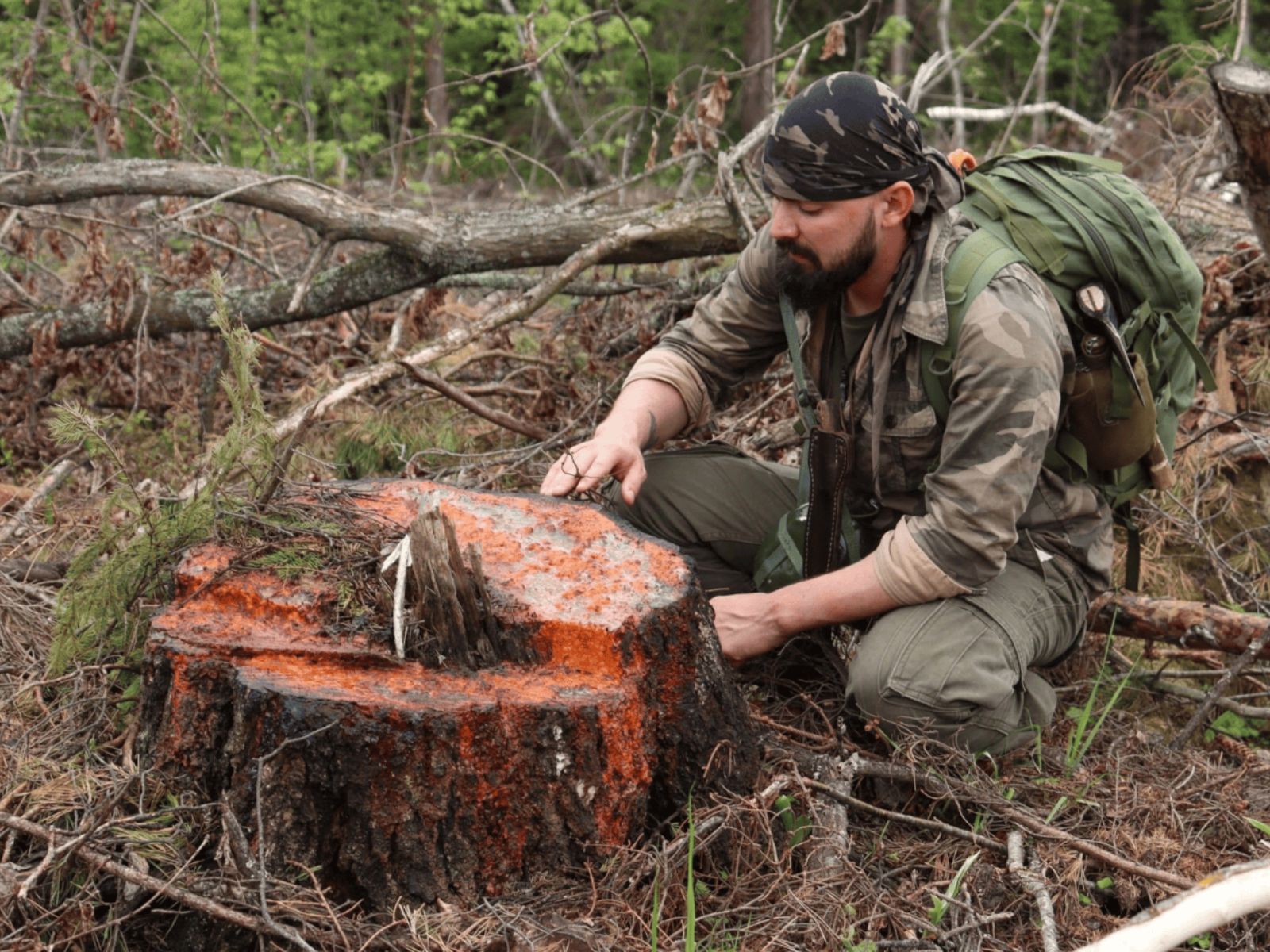
Then came the first books, communication with government bodies, countless visits to taiga clearings, encounters with animals, and times when bears and I would cautiously avoid each other, and wolf packs would pass by. Especially in the Russian North, probably the most unforgettable experience: we were along the river on one bank, and the wolves on the other, both glancing over to see if anyone was a threat. The snow was deep, we were on 'taiga' skis, coming from the clearings. It was fine. No one touched anyone, but we walked for a long time, exchanging glances.
And do you know which direction the wolves were heading? The same as us — towards human settlements. Only we were leaving the taiga clearings, studying how the mechanical monster was destroying everything there, while the wolves were going because they had been deprived of their home. And somewhere there, where dogs bark on leashes at rural homes, another journalist was already preparing a headline for the local newspaper: 'There are so many wolves now that they can't fit in the taiga. It's time to increase the bounties for their extermination.'
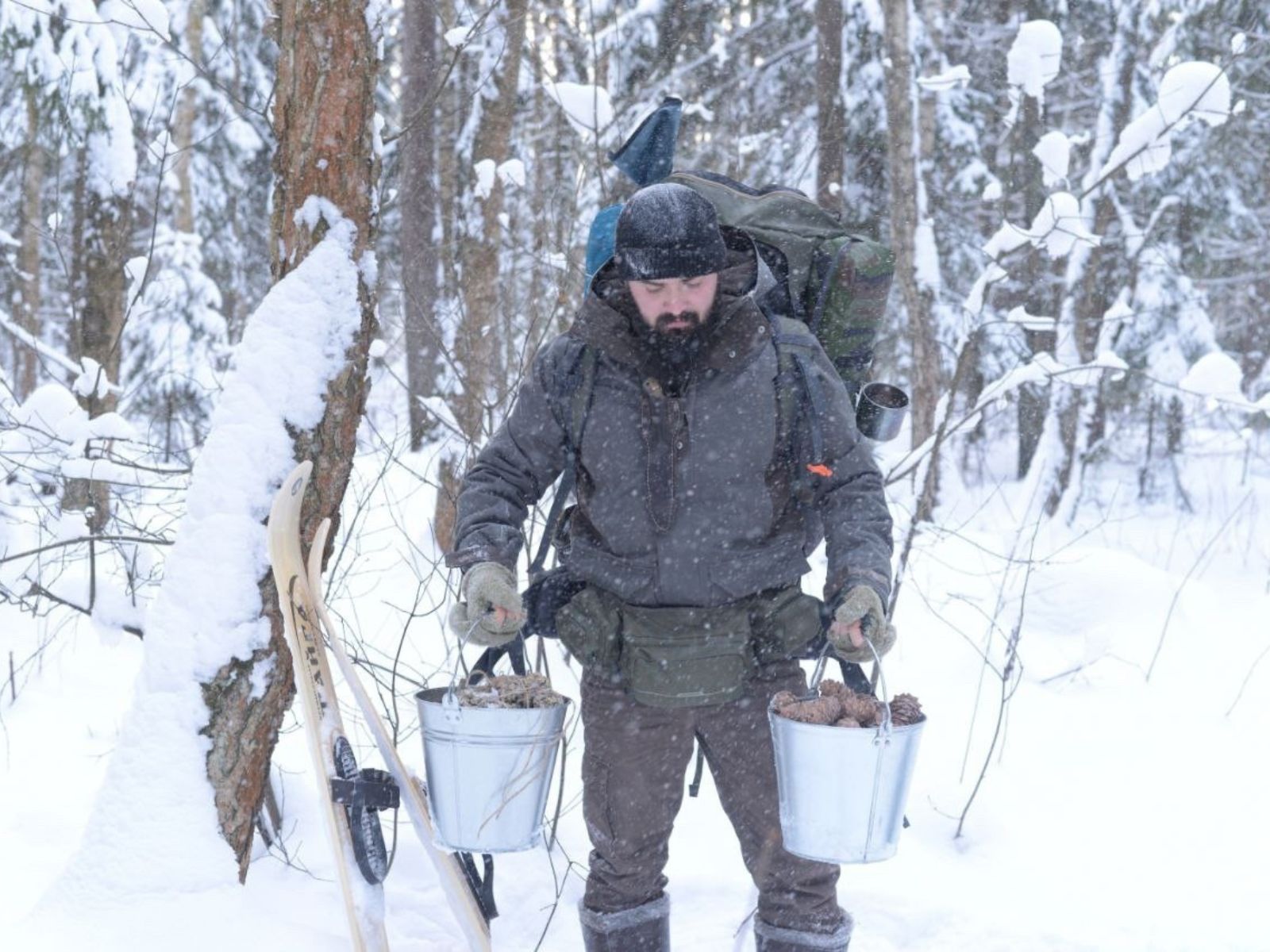
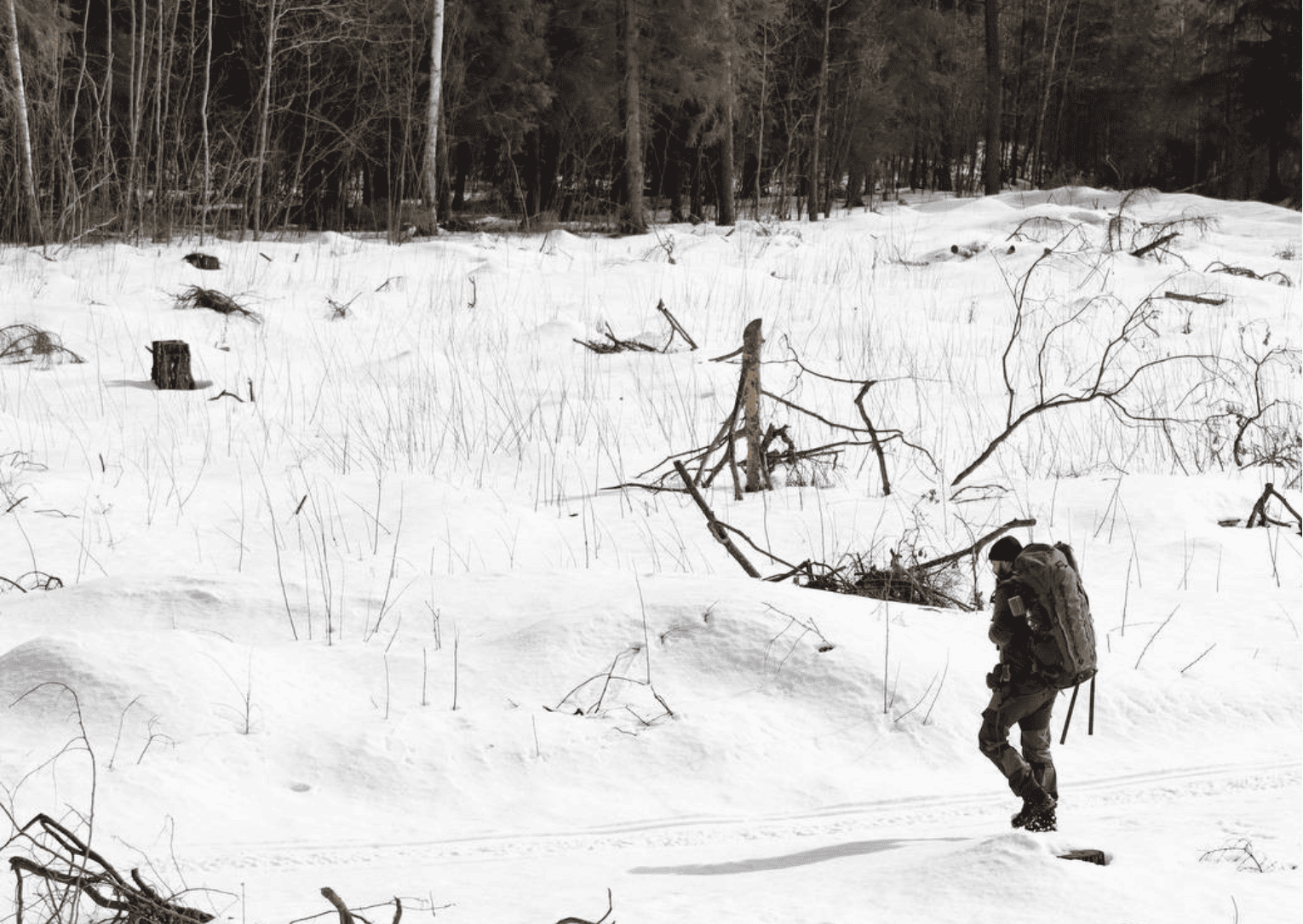
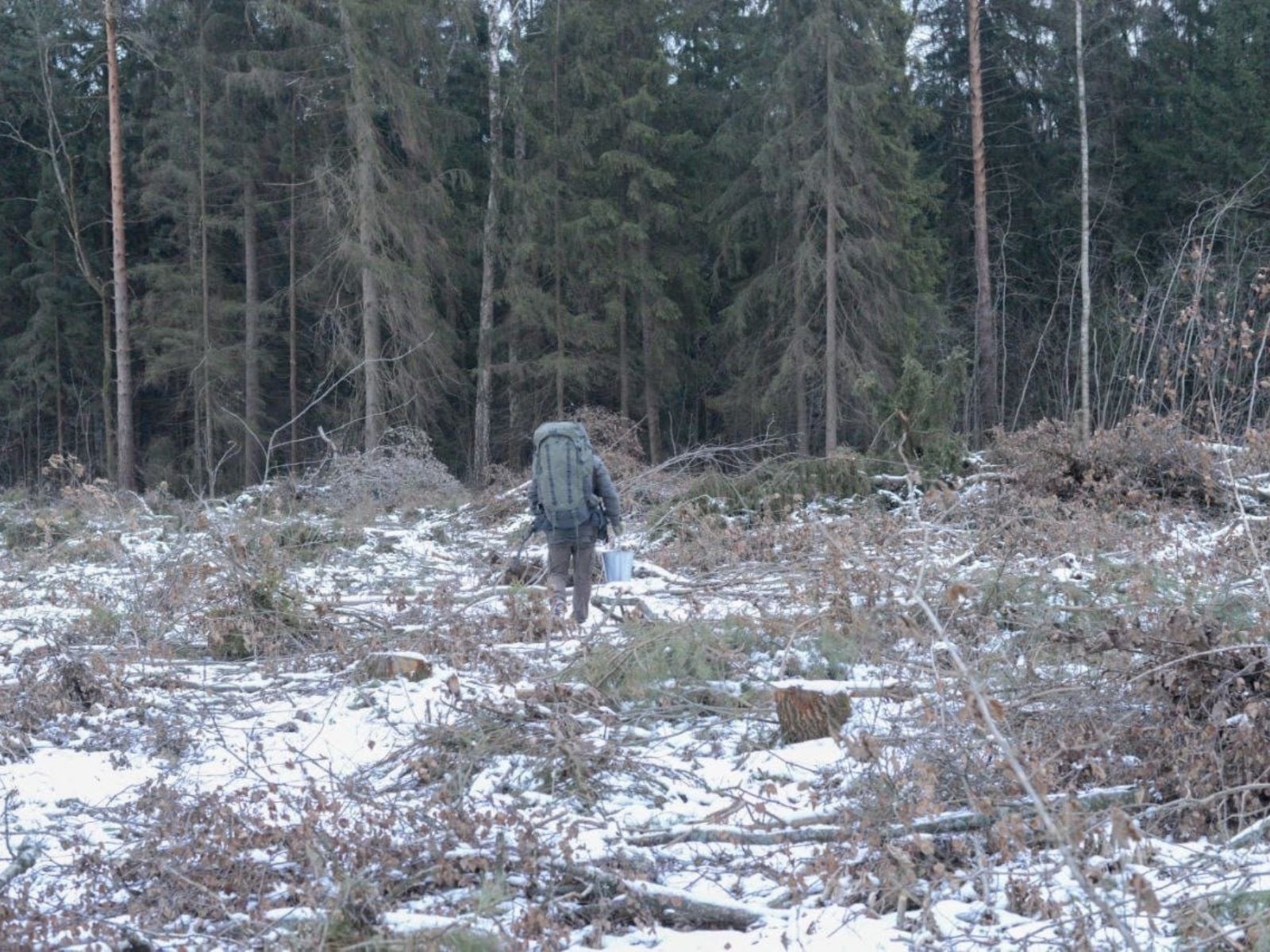
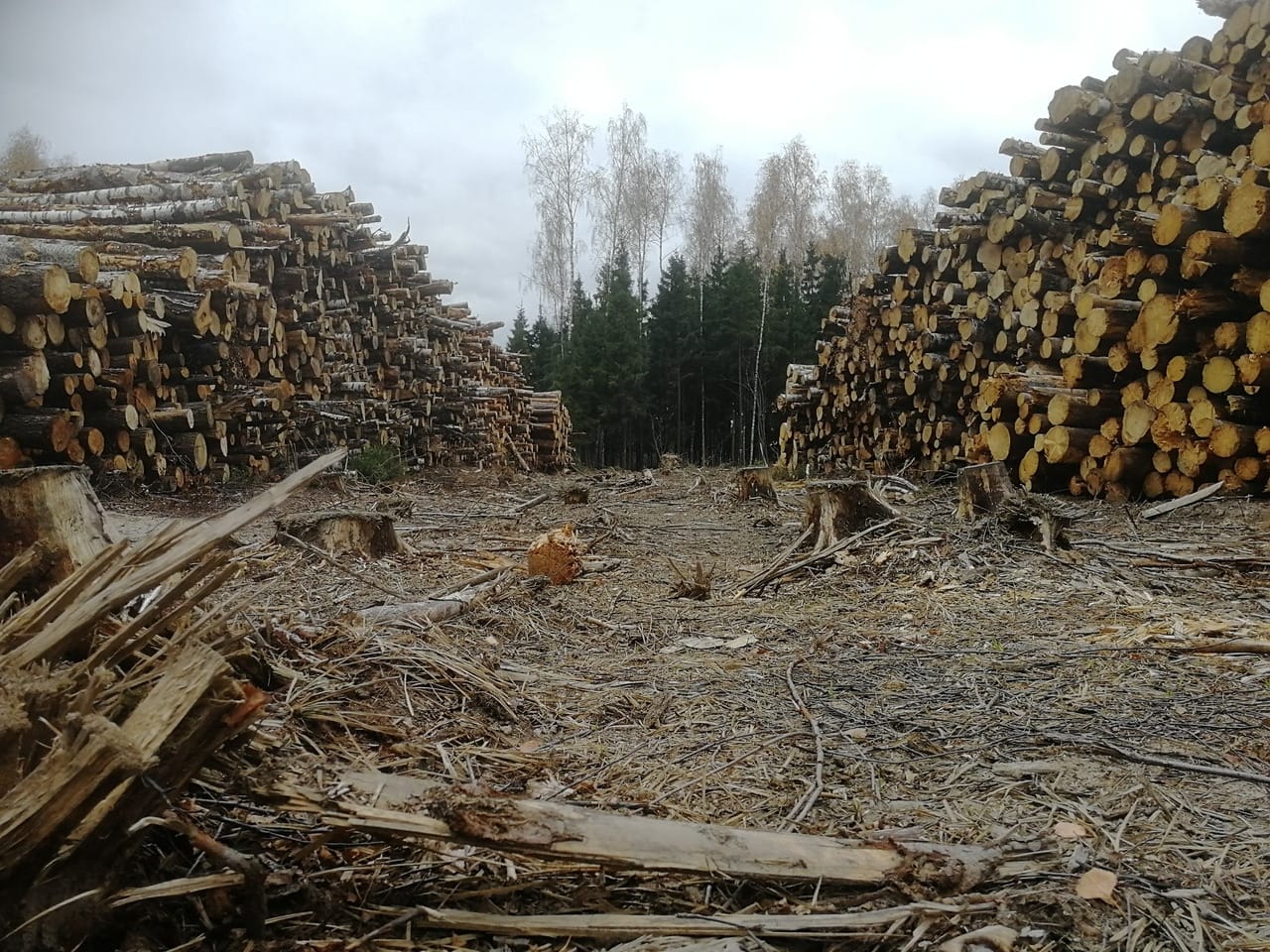
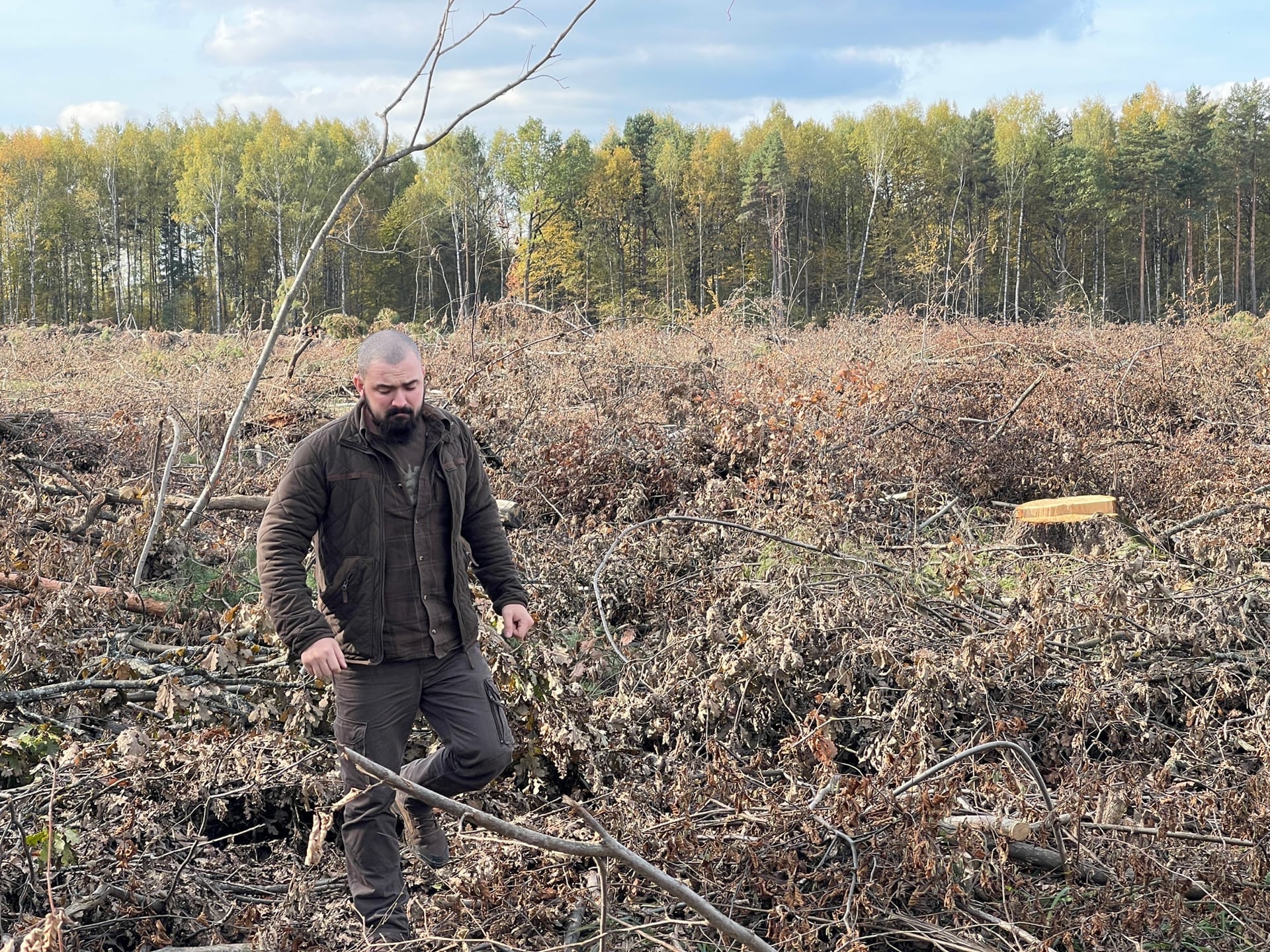
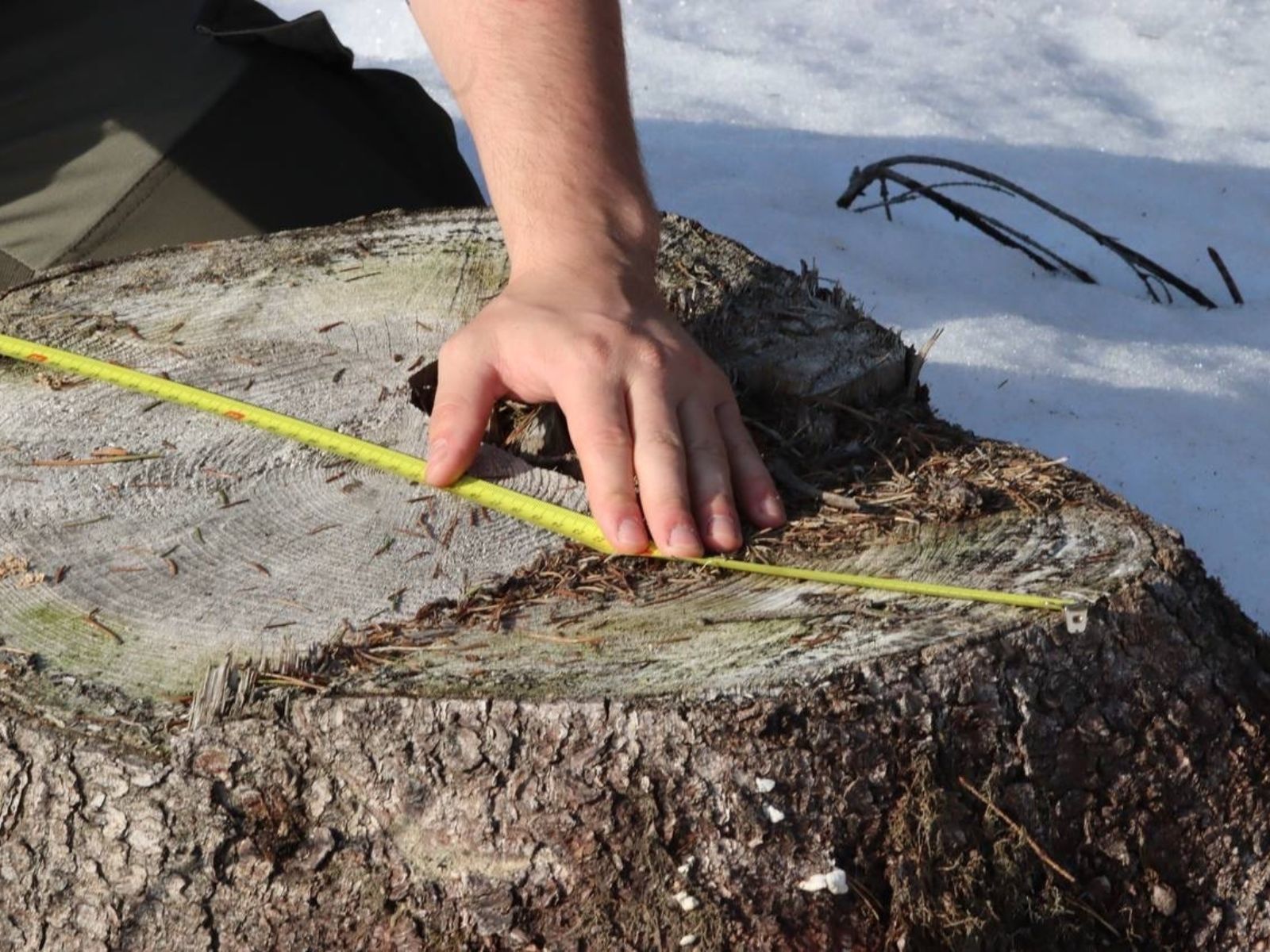
In my expeditions, learning everything through personal practical experience, I saw how 'economically viable' managers are felling the Ancient Forest, driven mad by the 'economic indicators' lining their pockets. I saw how local elites, all these 'temporary people's managers,' lease out the taiga for a pittance, pocketing the profits for themselves.
I have seen this path to nowhere many times...
And then, after I pinpointed this sore spot and told people about it, I was invited to Moscow. There are good people in the agencies and the Government who are trying to change something. There are few, but they exist. We still keep in touch. I attended a round table on the discussion of the Forest Code and the Public Chamber on forest fire issues. The top officials of the agencies sat with me at the same table. My opinion began to interest our future allies within the system; it turned out that there was practically no one else who actively visited the far reaches of the Russian Taiga and honestly reported on the problems.
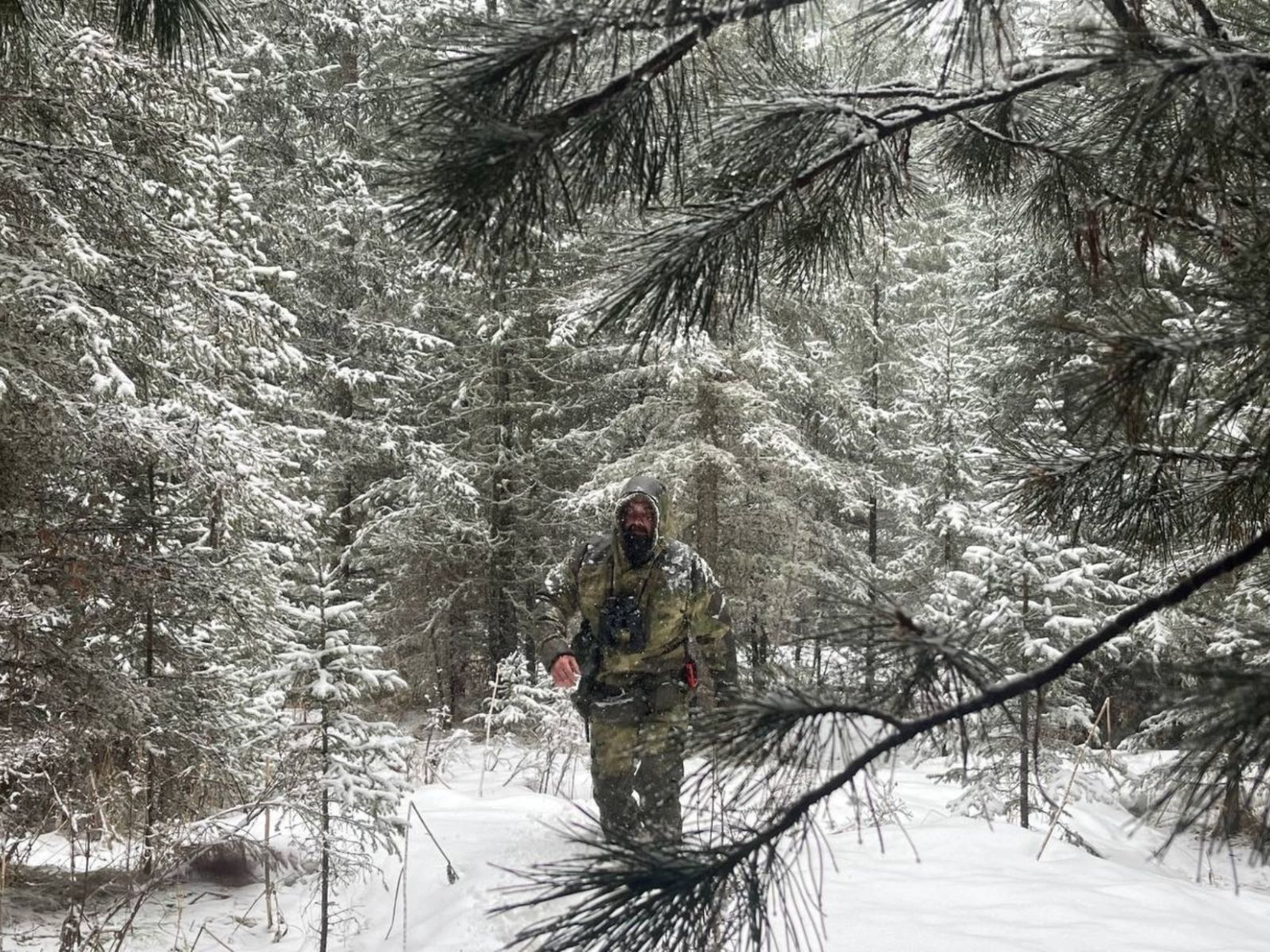
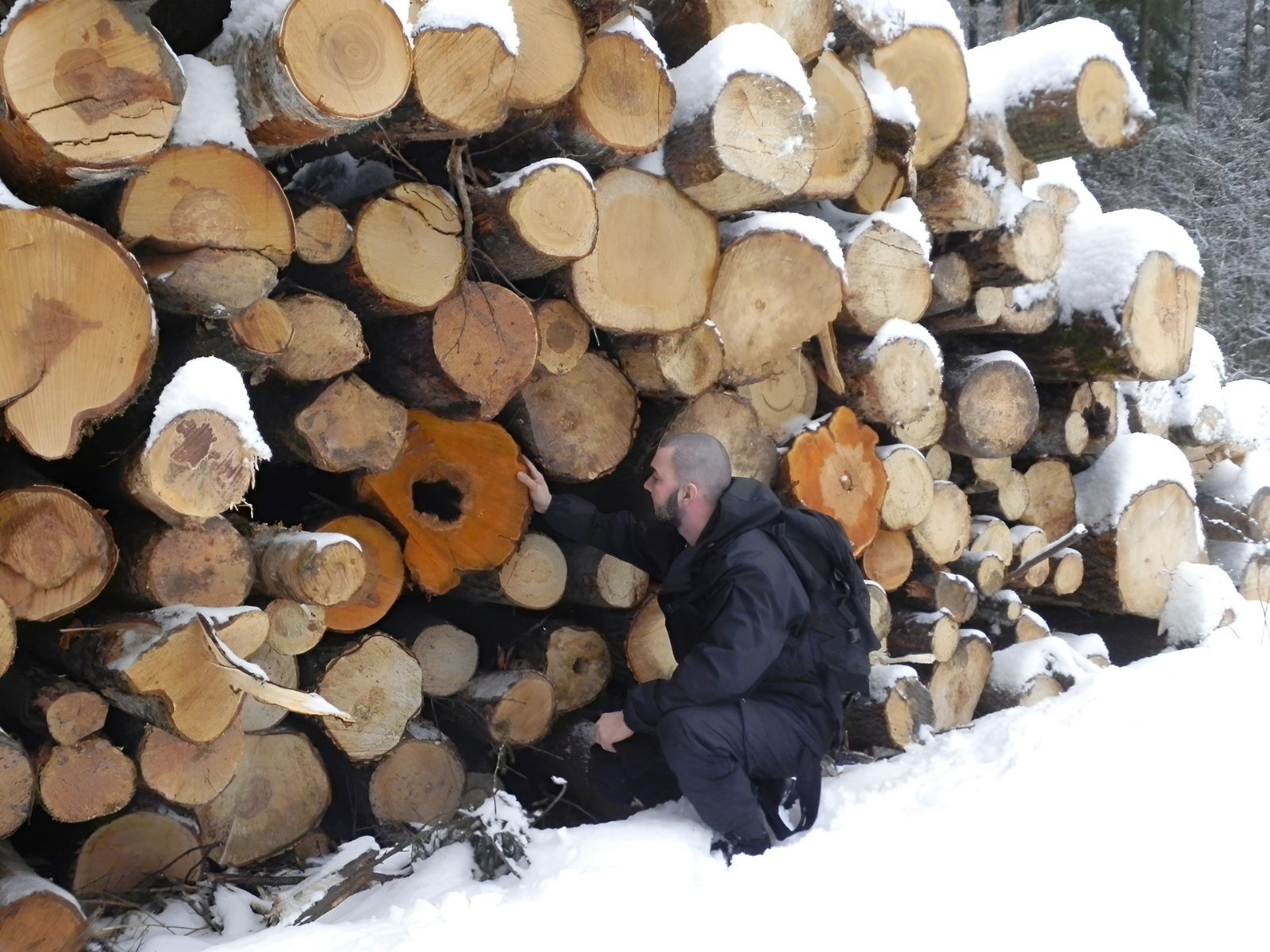
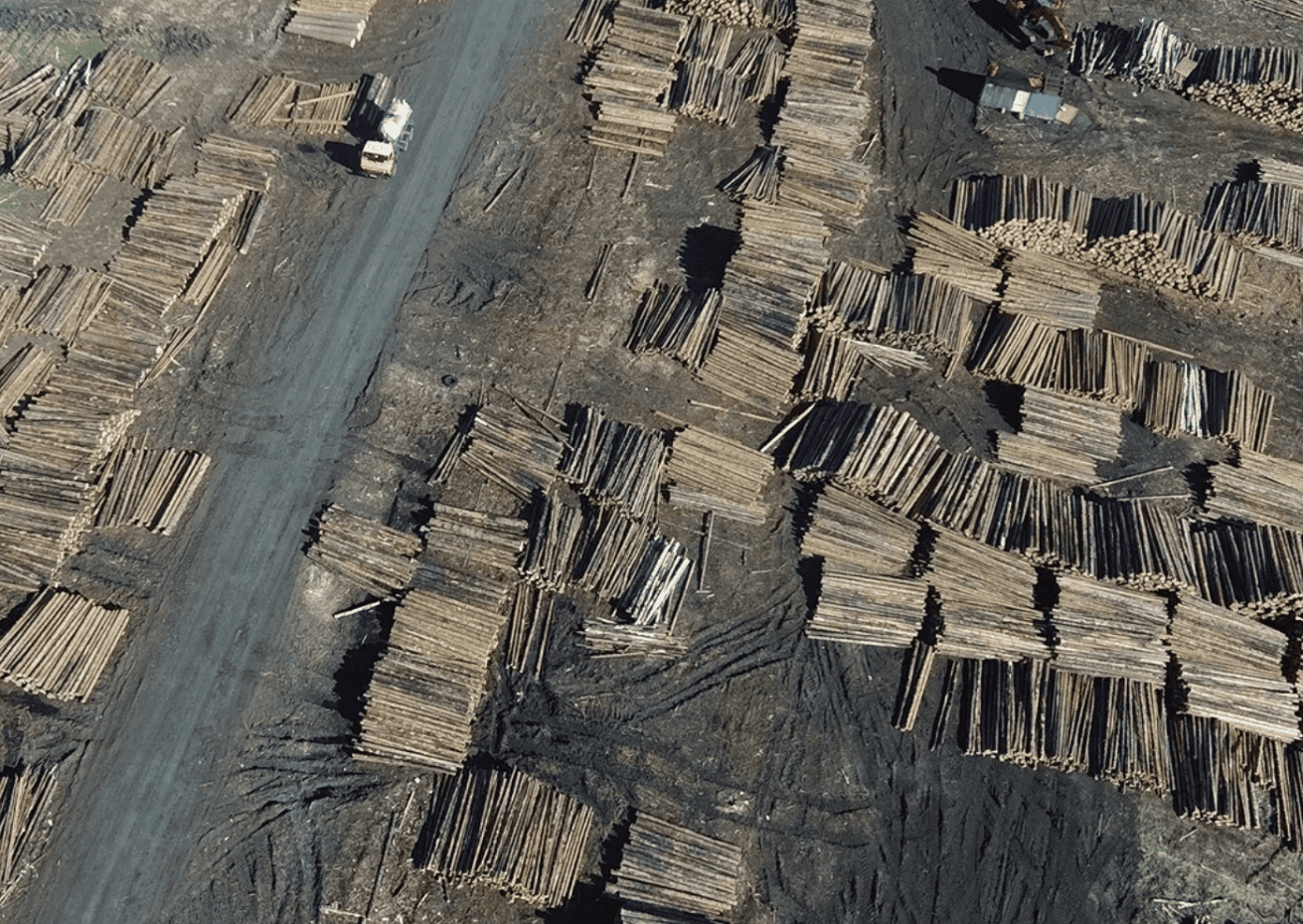
At that time, I thought that now there was definitely an opportunity to tell it like it is, since the big ties had gathered at the table: now I would show them the reality. How things are truly arranged in the Russian Taiga. Finally, the signal of pain from the ground would reach the 'brain' of the country. I entered those corridors, those offices. I looked into the eyes of our 'responsible and competent.' And that was it. When I left, all illusions were shattered.
Do you know what a cancerous tumor is? It's when cells live by their own selfish rules, consuming the body's resources and multiplying, ignoring the signals of the overall system.
Yes, I was talking not only about biogeocenoses but also about sustainable development, about how a hectare of taiga can yield a hundred thousand rubles annually if you gather berries, mushrooms, resin, or if there's an apiary there. I tried to speak in economic terms. The most I heard in response was that I don't understand the 'market conditions.' I remember the session was broadcast online, and many people watched it. It was nice to read comments afterward that at least the people heard me. They wrote: 'Only Pavel Pashkov is for the people, the rest, look, are just sleeping at the round table or picking their noses.'
I noted for myself: people do hear! And there are actually many who listen. It's just that society is fragmented; some are unaware of the problems, have never even heard of them, while others know but can't change anything. How can an ordinary person interfere with the interests of a multibillion-dollar business? They'd crush you without noticing.
That's how I felt after trips to Moscow for meetings with high-ranking officials, always wondering how to try to change things after what I'd seen. They don't hear anything. Relying on those who have never seen the taiga in their lives, whose entire competence is built on 'round tables' where they don't miss a chance to nap, is like hoping a tumor will cure itself because it was 'explained' that it shouldn't behave that way. It's useless. Even our compulsory education system is designed to produce these 'managers with economic thinking.' They became obsolete last century. They can't think in terms of the living. To them, the world is a warehouse. And we are just inventory. Even people, let alone 'some trees'!
But don't think that all is lost there. There are many amazing people within the system who are trying to make a change. I know this because I later met wonderful people from both law enforcement and environmental agencies in the government. It's just that there are still very few people who genuinely love their country and see Russia as great and powerful. Mostly, how does it go? The children are citizens of other countries, while the official parents are grabbing money from anything in the country by any means and sending it abroad. For villas, golf courses, and "Rolls-Royces" for the kids.
But those who truly love their country are looking to the future here. They are interested in improving the system and establishing order! After all, they have to live here themselves. Thanks to these people and the tremendous public support, I still have hope for truly significant future changes. We absolutely must fight.
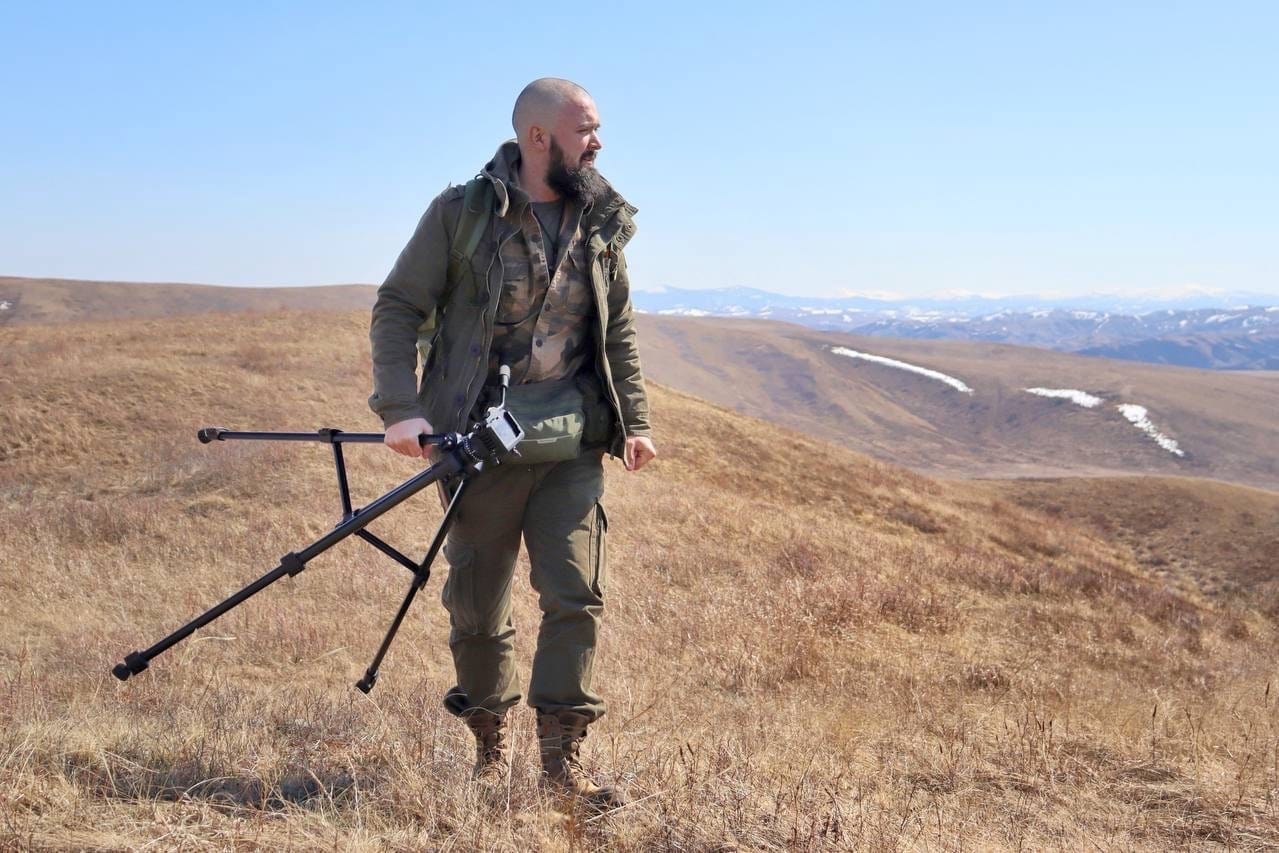
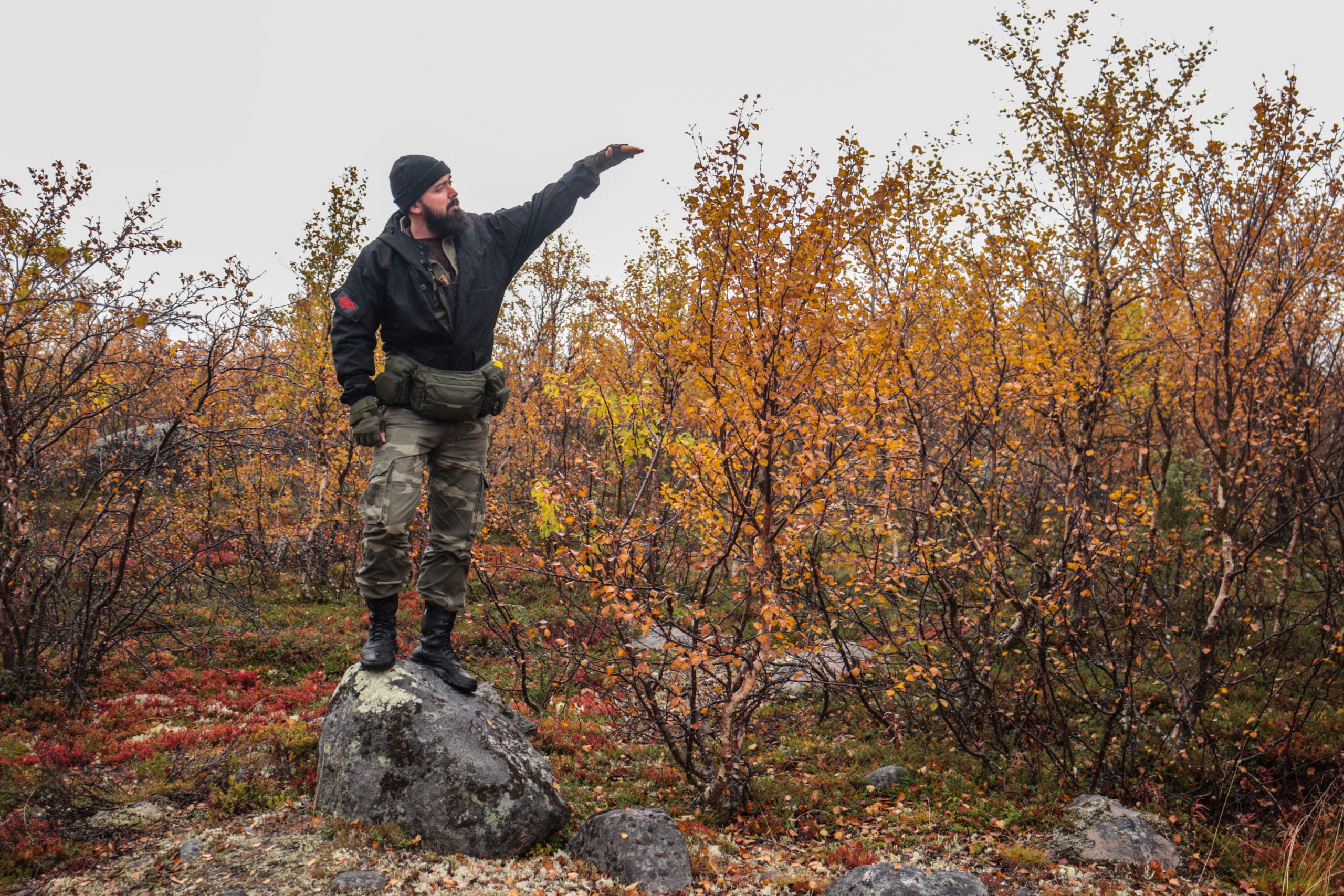
Today, I continue to protect nature, the cause I once took up. With over ten years of active work behind me, I consider it a colossal experience. I manage to unite people and launch projects. In reality, this is yet another attempt to restore the "nerve conductivity" in our ailing superorganism.
Over the years, I've come to view everything systematically, on a large scale. From local issues in the wild mountains of Altai, where people come to cut down forests and hunt animals, to systemic problems at the state level.
When I saw everything with my own eyes, a dream was born in me.
I want to achieve a change in the system of wildlife protection worldwide. And I believe that Russia has the chance to become the first truly protected state. My solution to the existing, primarily systemic, crisis is the transformation of the current reserve system into Territories of Full Ecological Tranquility—TFET.
The essence is simple: what do we have now? A mosaic. Scraps. A patchwork quilt of reserves surrounded on all sides by private hunting grounds and other tourist clusters. Reserves have become islands in a toxic ocean. And the poison seeps inside. Animals cannot migrate. Ecosystems cannot breathe. Forests, which should draw moisture from the oceans into the continent (the very 'biotic pump' that our own Russian scientists Makarieva and Gorshkov were shouting about more than twenty years ago), this pump is breaking down. And what do we see? Droughts. Fires. Rivers are drying up. The climate is going crazy.
Did scientists warn us? Yes, decades ago!
So, I believe we need to unite these remnants of living forests. Stitch the patchwork quilt into a single canvas. Create global territories where nature is finally given full ecological tranquility. Where a wolf can be a wolf, not a target for the 'white sahib' who flew in for a trophy.
This is not a utopia. It is the only remaining solution. There are no other options. Don't bother looking.
And now look at what we're being fed instead. Just as an example: the Kunming-Montreal Agreement, have you heard of it? Ambitious, they say. 196 countries of the world, of which 188 governments were represented at the conference in Montreal, sat down and agreed to establish 23 global goals to protect 30% of land and sea by 2030. Looks good on paper. But in reality? By 2025, less than a quarter of countries have even submitted their plans, meaning they just voiced at those very 'round tables' how beautifully they can do something. Of those, only a few have specific numbers. The rest are just formalities. Bureaucratic chewing gum. 'We are trying. We are in the process. We are creating a working group.' Familiar, right? Just like in our country, and in all ministries of all countries.
When I started studying the global situation and then compared it to what I personally saw at the "round tables" in Moscow, the pieces fell into place. No one in the world knows what needs to be done! Everyone understands the scale of the planetary ecological crisis, but there are no ideas or proposals. And most importantly, there are no brakes when everyone is dividing up Mother Earth's skin; no one wants to stop. After all, you might end up without a piece.
And they gather round tables and meetings, so they don't get bored themselves, at least to do something and show everyone that they consulted with society, didn't decide everything on their own — apparently, people wanted to increase the development of the undeveloped, to gnaw away the remnants of living nature.
But that's not true. I'm here, "on the ground," as they say. People didn't decide anything like that. So, it's up to us, ordinary people, to move forward on our own. And to make our goals a reality, we need millions of supporters for nature conservation. We need an international audience. We need people all over the world who will hear, understand, and support us. Who won't let this idea disappear into the folders of "responsible officials." We need allies.
This is my story.
And this is the story of each of you, comrades!
Our common struggle for Life!